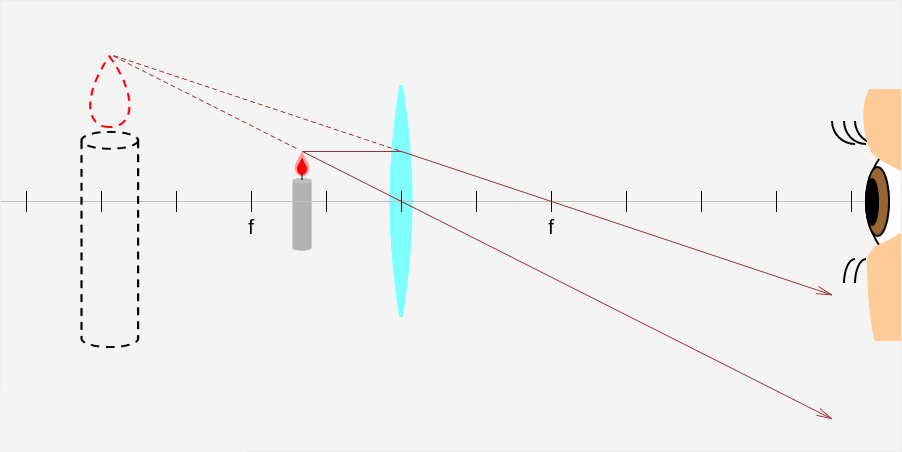
Convex Lens & Concave Lens
Real image and virtual image Looking at an object, we feel there is an object in it. By the way, if you feel that there is something, we say there is an ‘image,’ even if there … more

Science simulation, Probeware, Coding
Real image and virtual image Looking at an object, we feel there is an object in it. By the way, if you feel that there is something, we say there is an ‘image,’ even if there … more
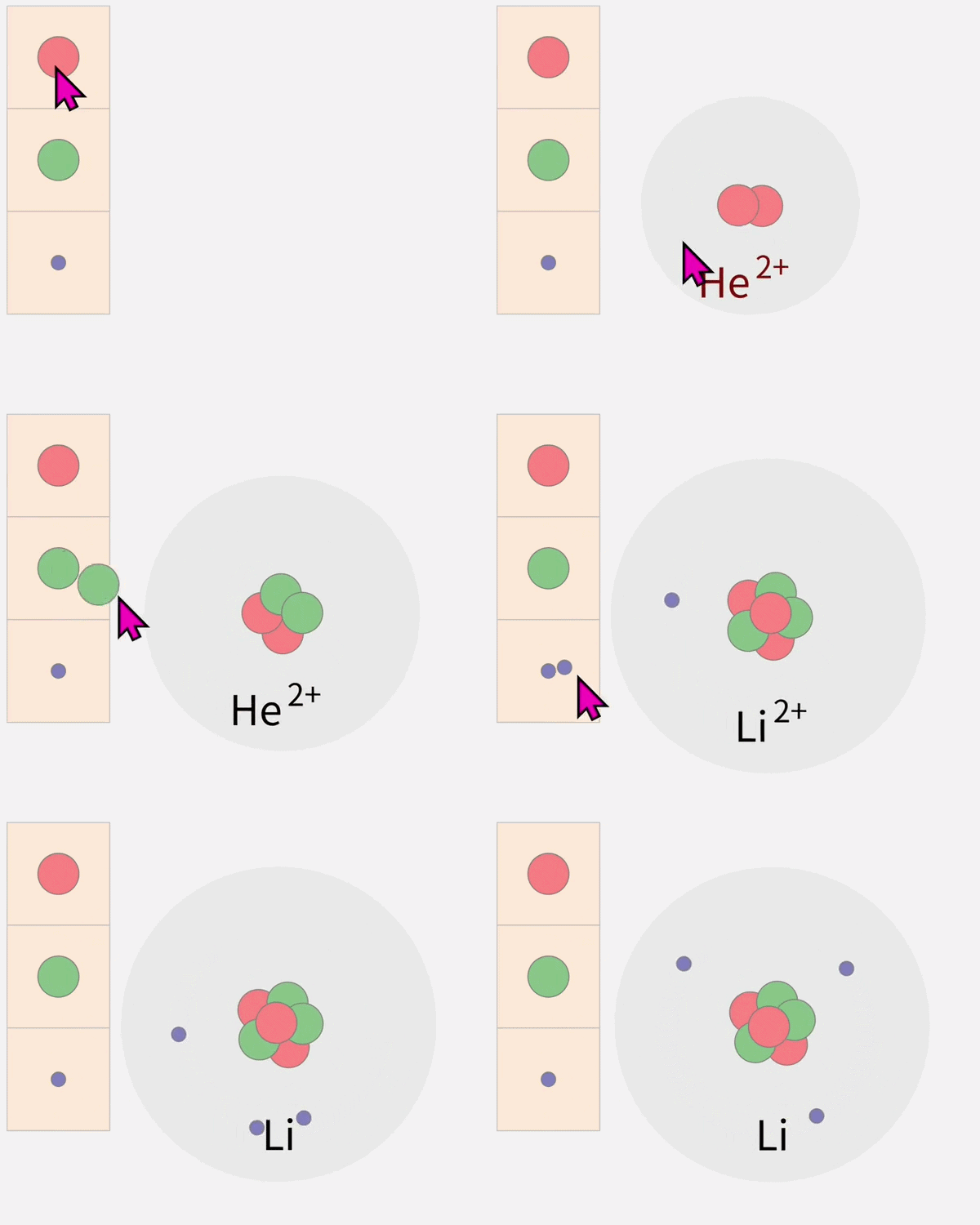
Freely combine protons, neutrons, and electrons to create your own atom. Notes This simulation only provides tools for building atomic models and does not determine whether the completed atomic model is stable. For every number of … more

Density Tower A density tower is made by stacking several liquids in one container according to differences in density (mass per unit volume). Liquids with higher density sink to the bottom, while liquids with lower density … more
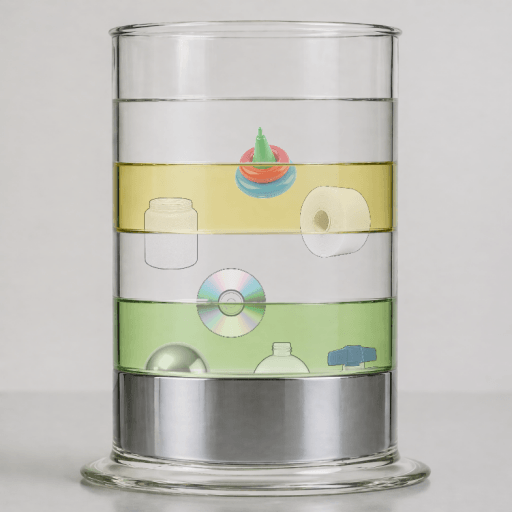
Density Tower A density tower is made by stacking several liquids in one container according to differences in density (mass per unit volume). Liquids with higher density sink to the bottom, while liquids with lower density … more
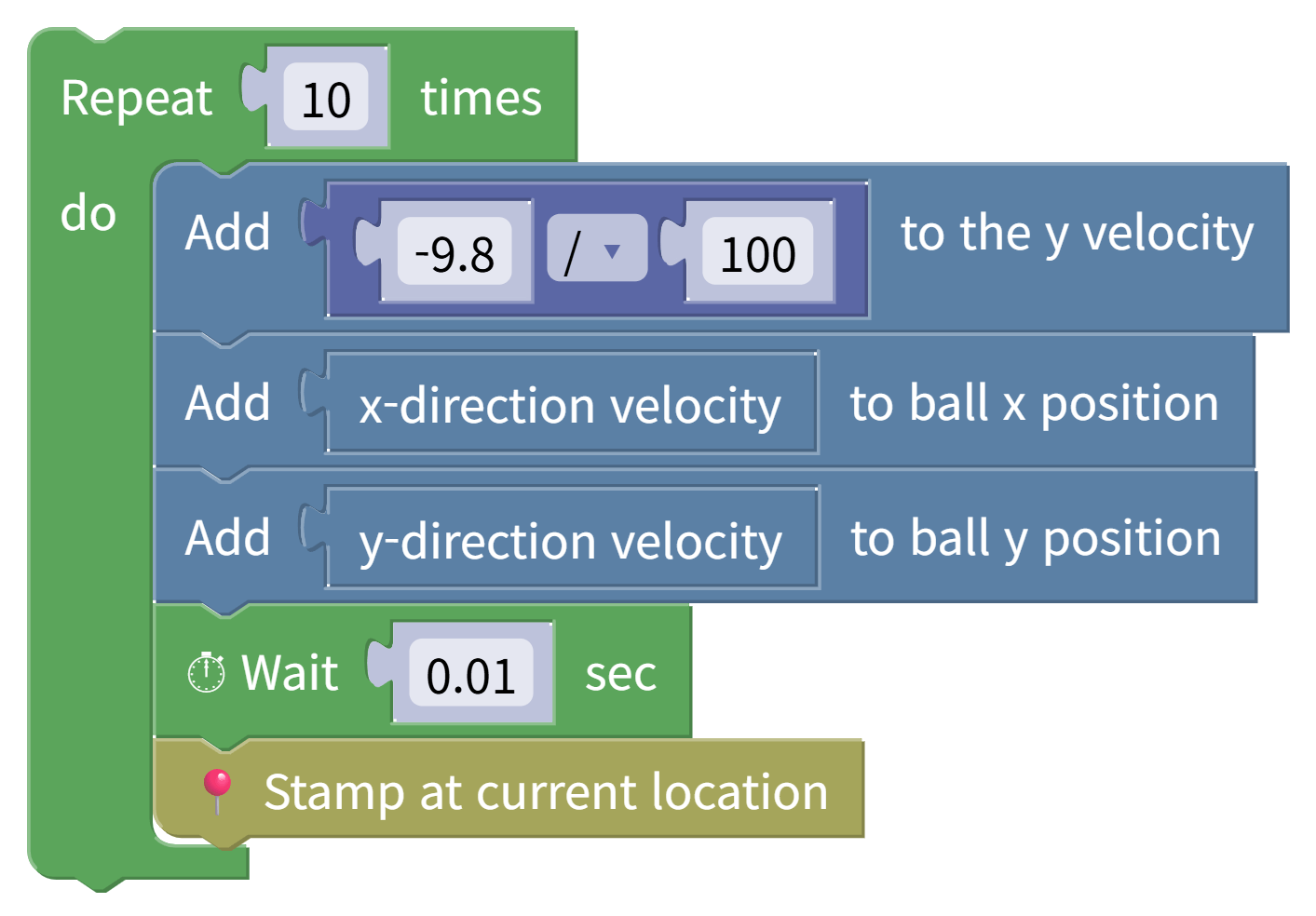
Blocklab is a simulation creation tool built on Google Blockly that lets users assemble blocks to explore a wide range of dynamic experiments. With Blocklab, you can create algorithm-based dynamic simulations intuitively. The simulations you build … more
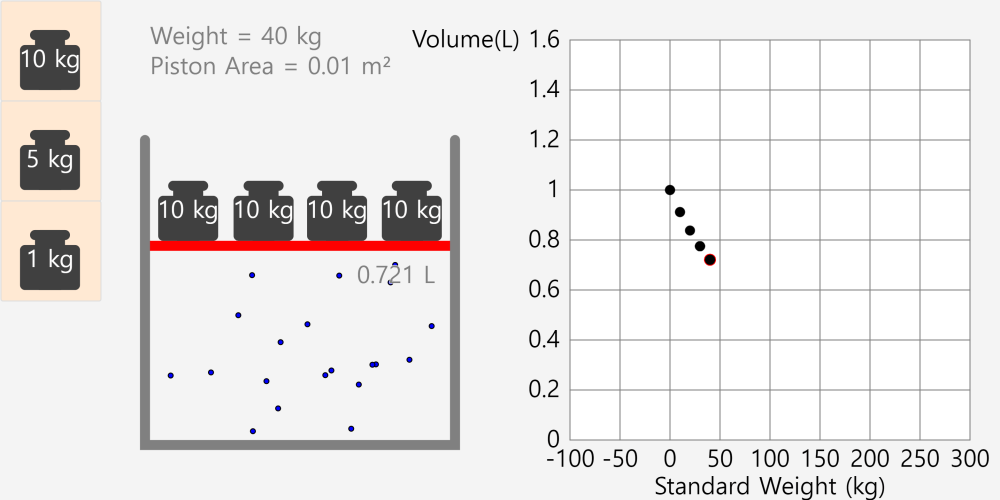
Drag the standard weight and place it on top of the piston. You can download graph data. Boyle’s Law Doubling the pressure of a gas reduces the volume of the gas by 1/2, and increasing the … more
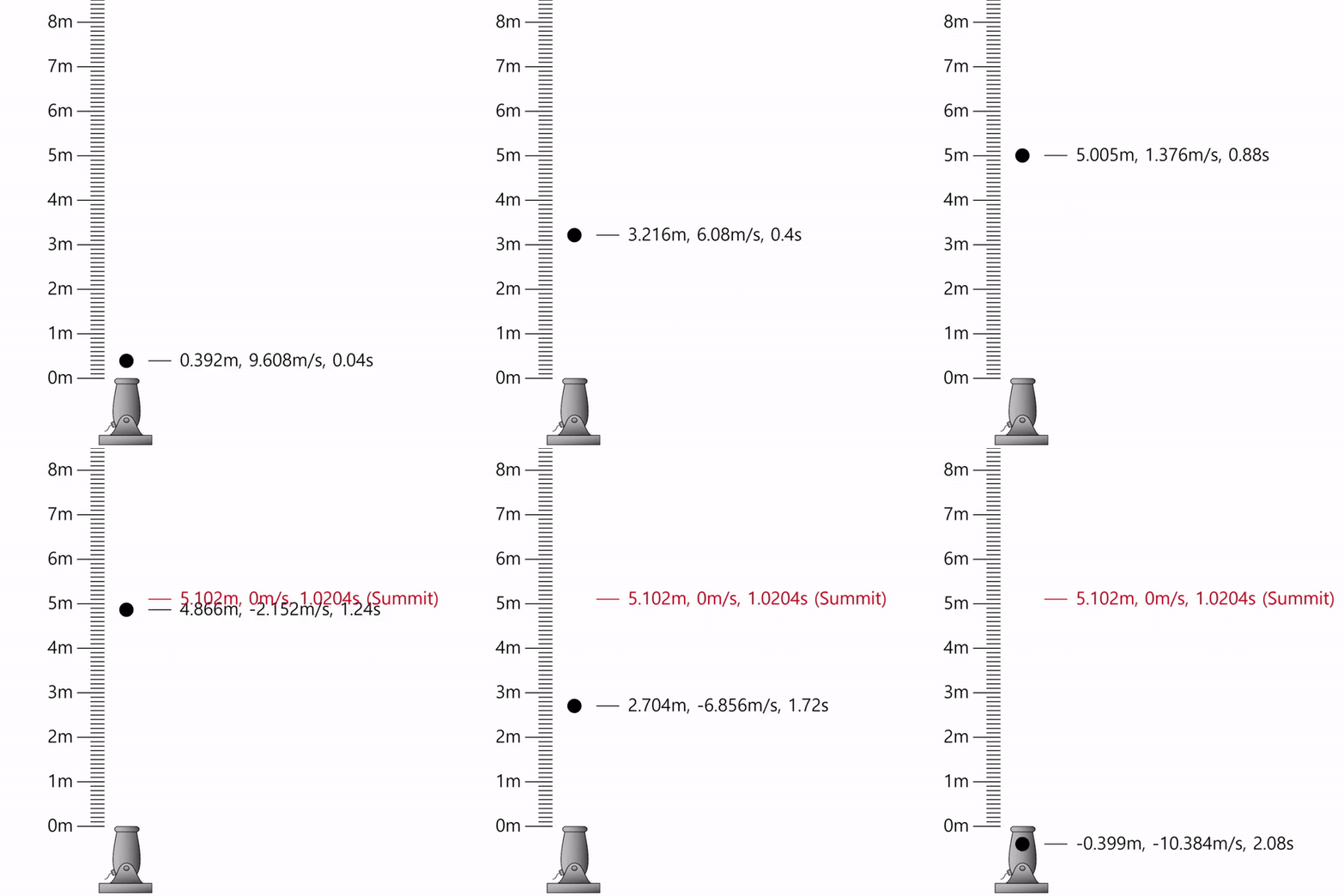
Mechanical energy As the roller coaster descends from a high place, the height decreases, and the speed increases, so the potential energy decreases, and the kinetic energy increases. Therefore, potential energy is converted into kinetic energy … more
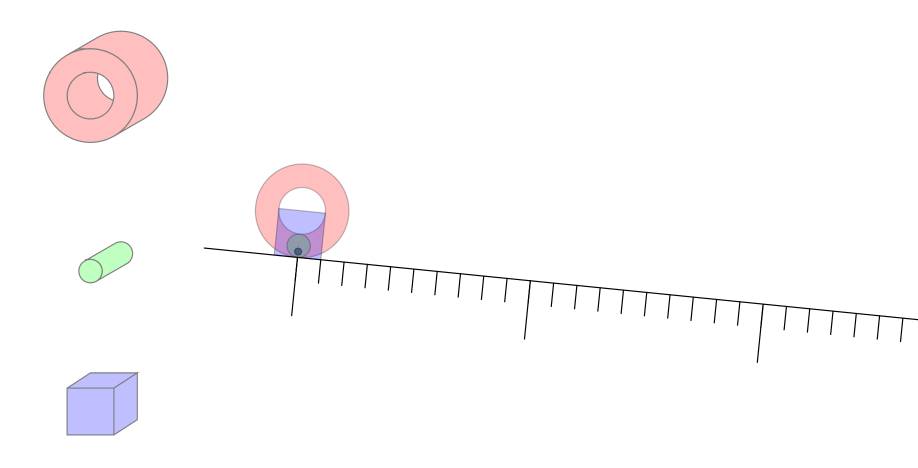
This simulation assumes that there is rolling friction and no sliding friction. The cylinder and cube assumed the density of iron (7.874 g/cm³). Why does a rolling object go down slower than an object that slides … more
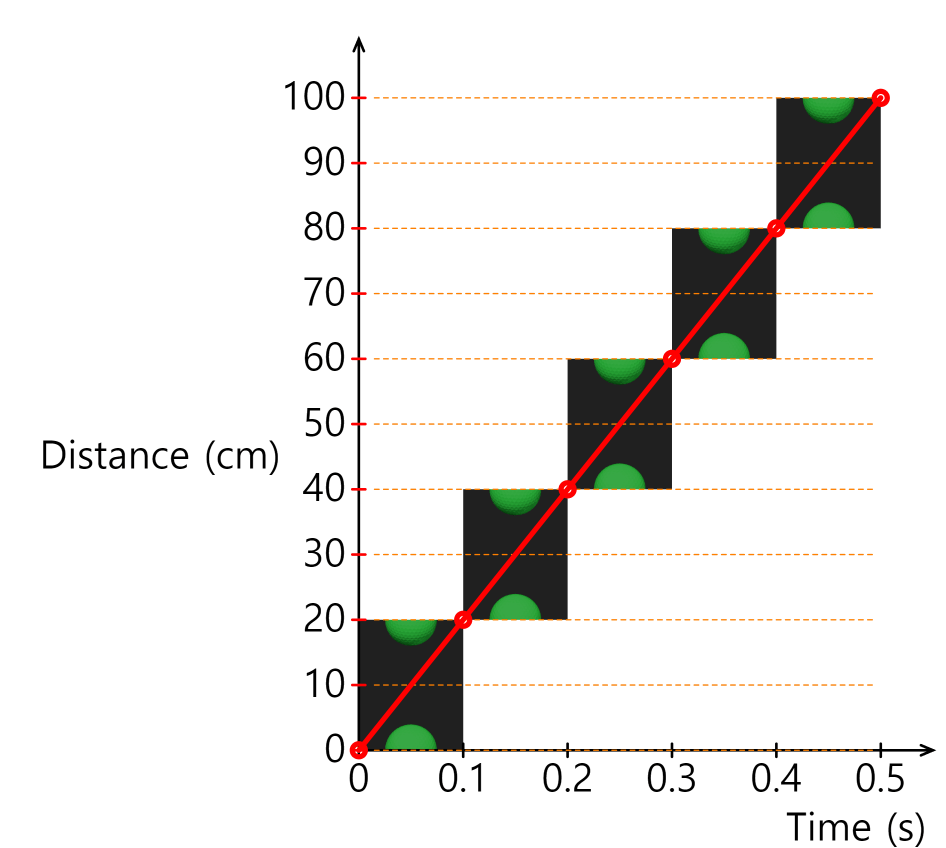
The distance covered by an object moving at a constant speed increases proportionally with time. If the distance is plotted against time on a graph, it will result in a straight line with a slope that … more

How to use the simulation Drag the ball with your mouse to free fall it in the air. Drag your mouse on the cliff to observe the parabolic motion. You can change the horizontal speed by … more

Move the continents to create a connected supercontinent (Pangea).
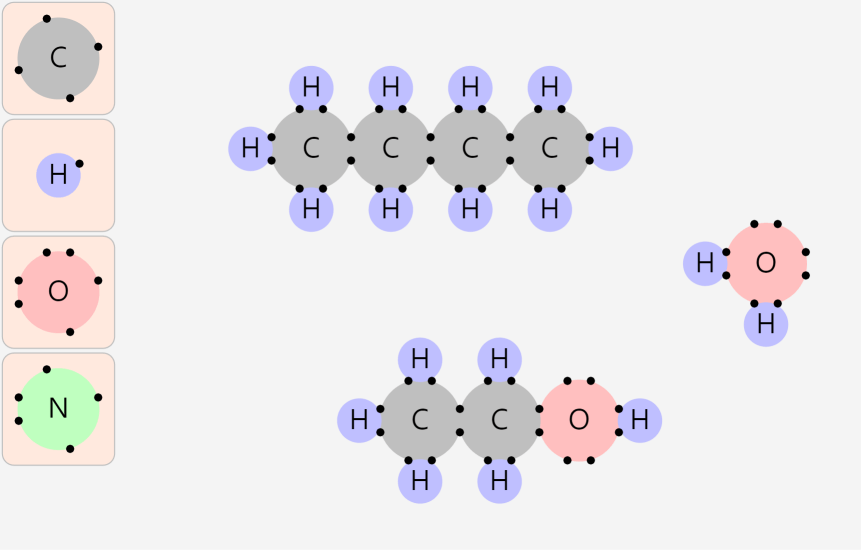
Why are the outermost electrons of atoms important? The outermost electrons of an atom are essential indicators of the properties of matter. Period 2 and 3 elements, such as carbon, oxygen, and nitrogen can exist in … more