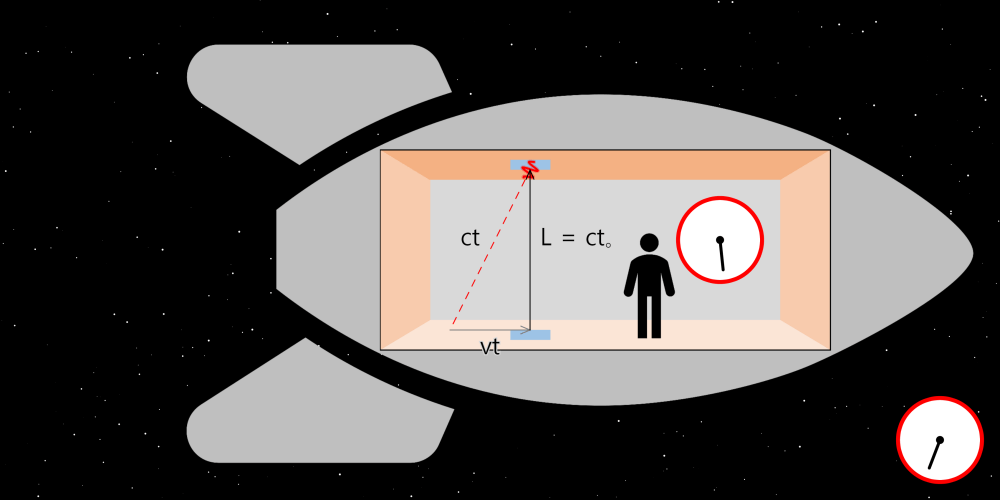
Special Relativity: Time Dilation
The meanings of the symbols used in this simulation are as follows. L = Distance that light travels in a stationary state, (=ct。) c = Speed of light (≒ 299,792,458 m/s) t。 = The transit time … more

Science simulation, Probeware, Coding
The meanings of the symbols used in this simulation are as follows. L = Distance that light travels in a stationary state, (=ct。) c = Speed of light (≒ 299,792,458 m/s) t。 = The transit time … more

Why do we always have crystal ball covered? While surfing the web, I came across a fascinating article on Twitter. It sounds like a fun topic, so we decided to simulate the refraction of all light … more
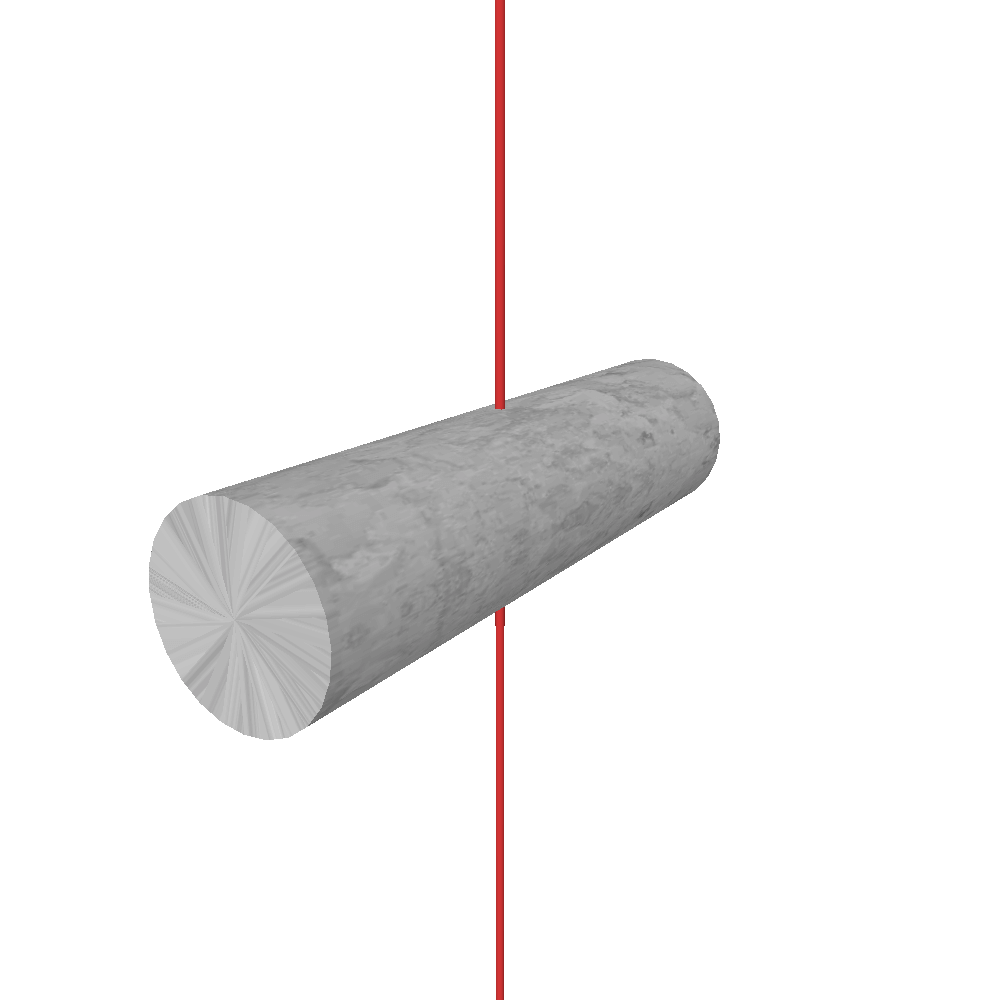
You can click various shapes on the left and right sides of the screen. What are the characteristics of a shape with a large moment of inertia? What are the characteristics of a shape with a … more
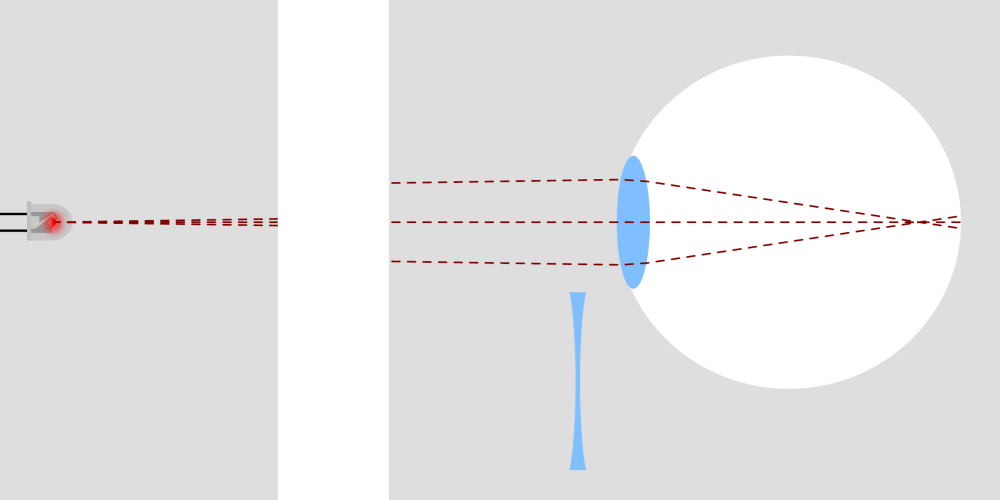
Focusing The light started from the object must have arrived exactly at one point on the retina to see things in detail. On the other hand, if the light from one point of the object is … more
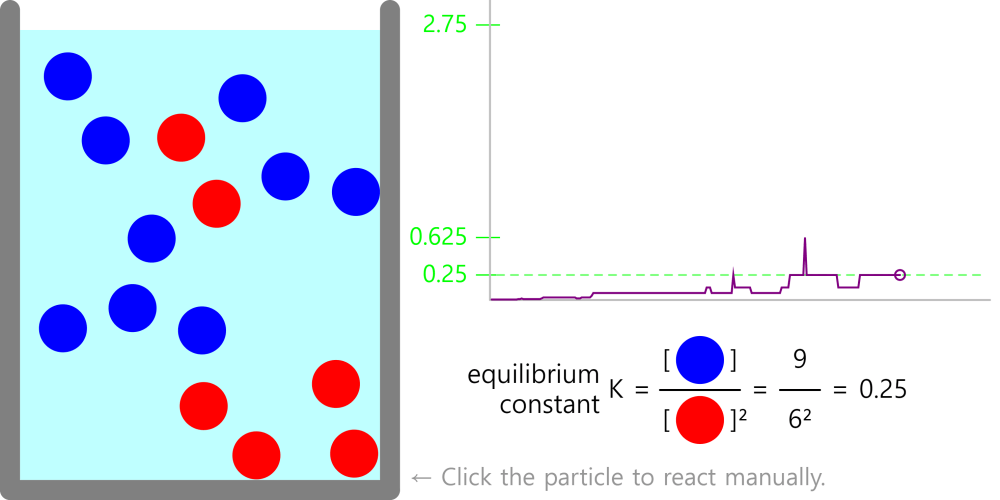
2●\(\rightleftharpoons\)● Chemical equilibrium In a chemical reaction, chemical equilibrium is the state in which both reactants and products are present in concentrations that have no further tendency to change with time. In an equilibrium state at … more

Double Slit Experiment The double-slit experiment is the observation of the pattern that a single wavelength of light creates after passing through two slits. Light passes through each slit and then creates a light or dark … more

* If the simulation does not move, please refresh the web page. Radiation Places near the stove feel warmer than far away. This is due to the direct transfer of heat from the stove without the … more