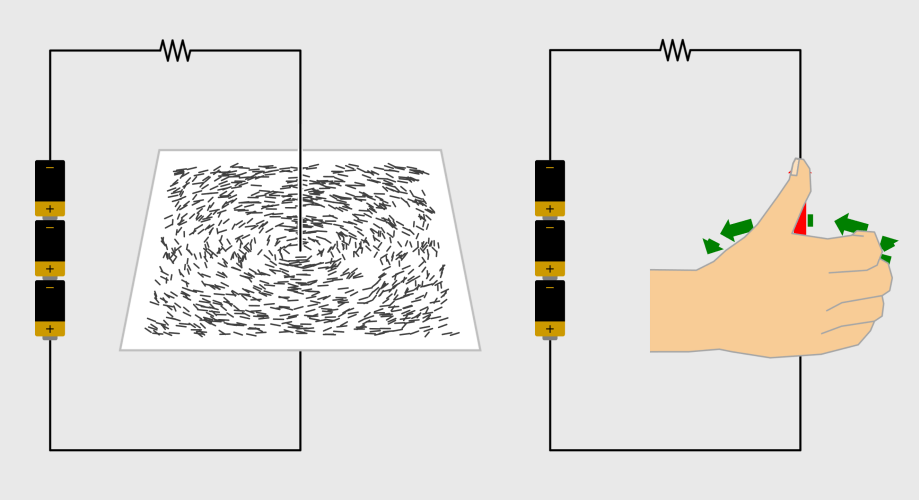
Magnetic Field around a Wire
You can drag the compass. The magnetic field is the area surrounding a magnet in which the magnetic force exists. The magnetic field is also formed around the conductor through which the current flows. This is … more

Science simulation, Probeware, Coding
You can drag the compass. The magnetic field is the area surrounding a magnet in which the magnetic force exists. The magnetic field is also formed around the conductor through which the current flows. This is … more
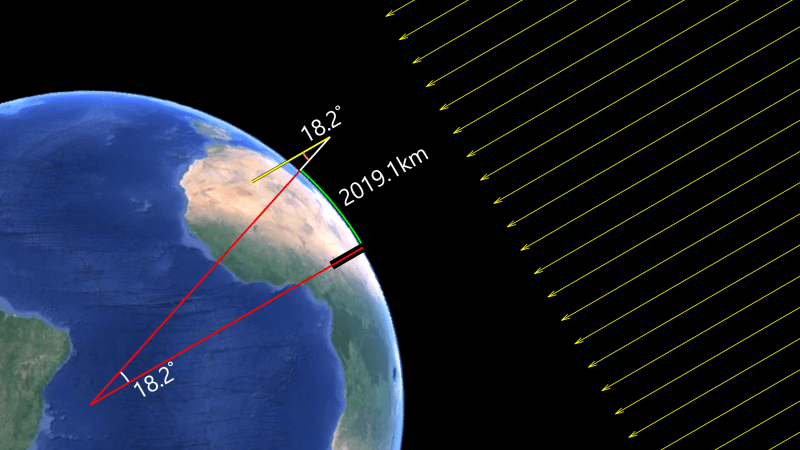
Eratosthenes’ Calculation of Earth’s Circumference The first person to measure the earth’s size was Eratosthenes, an ancient Greek scientist about 2,000 years ago. Eratosthenes lived in Alexandria, near the Nile River’s mouth by the Mediterranean coast, … more
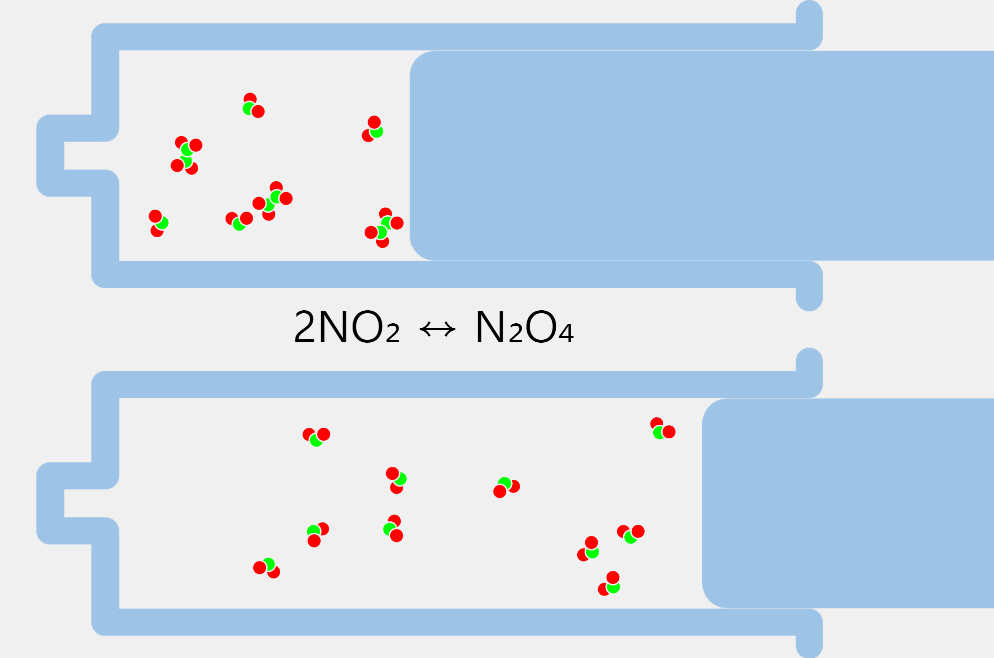
Pressure and chemical equilibrium transfer According to Le Châtelier, if the pressure is increased, the equilibrium position will move to reduce the pressure. The system can reduce the pressure by reacting in such a way as … more

Color and Eye Recognition Visible light has various colors. Light has a different color depending on the wavelength (or frequency). So, how do people perceive color? Cone cells in the eye’s retina recognize color. There are … more
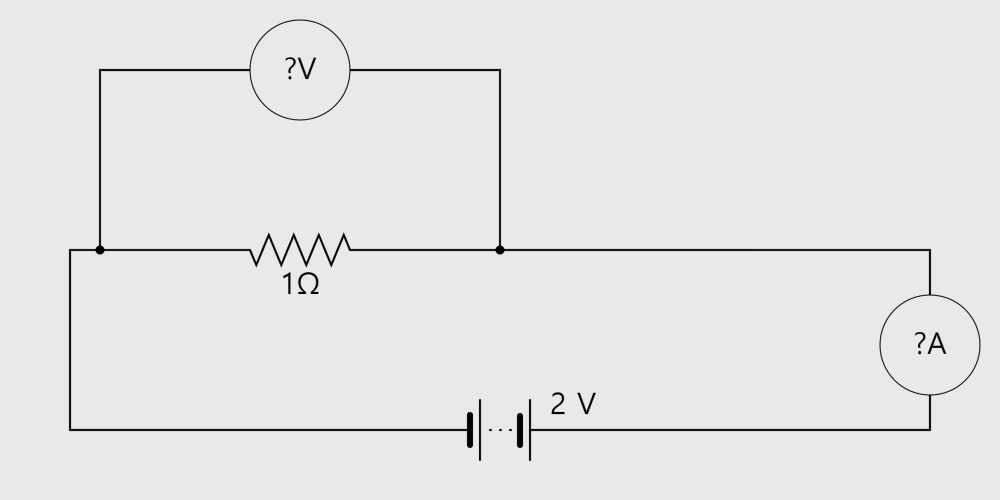
What is the voltage value of the voltmeter? Voltage distribution in series connection When two or more resistors are connected in series, the sum of the resistors’ voltages becomes the total voltage. Therefore, the resistors divide … more
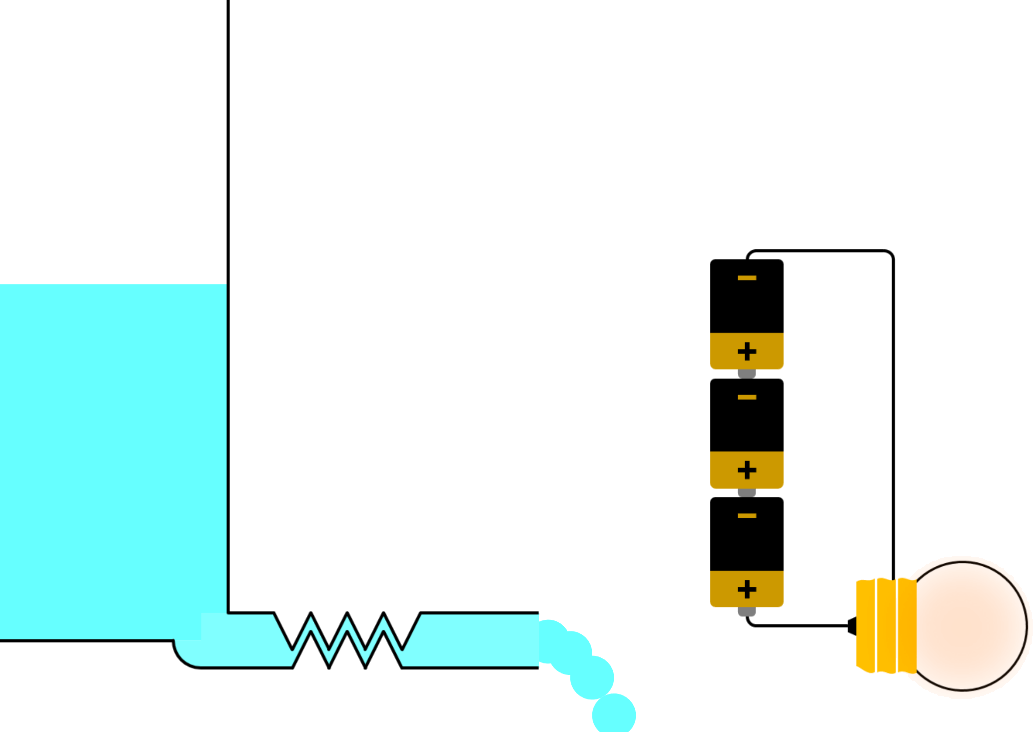
Ohm’s Law When you connect the light bulb and the battery with a wire, the bulb lights up. This is because free electrons with negative charges (-) move along the wire, and this flow of charges … more
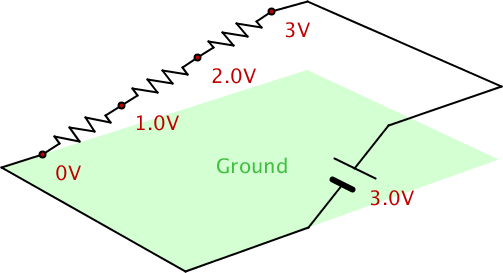
Battery and Load In an electrical circuit, the battery maintains a voltage difference to allow current to flow through the circuit. In an electric circuit, the place where energy is consumed is called a load. Generally, … more

Battery and Load In an electrical circuit, the battery maintains a voltage difference to allow current to flow through the circuit. In an electric circuit, the place where energy is consumed is called a load. Generally, … more
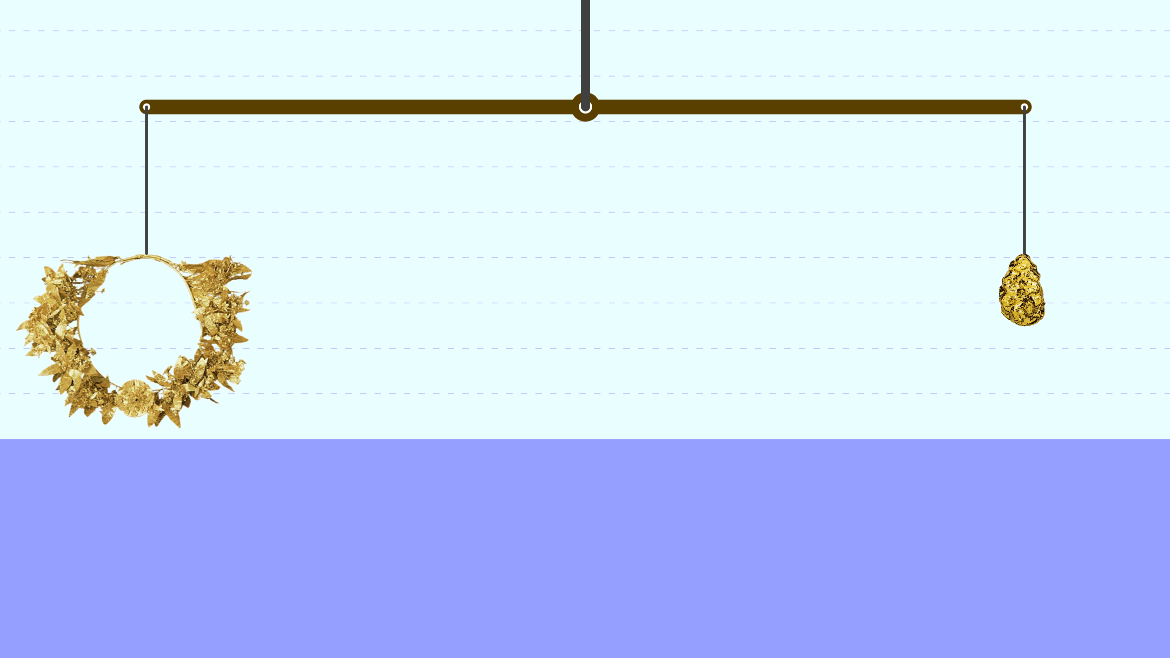
Why is the submerged volume important to understand buoyancy? It is so famous that the 3rd-century Greek philosopher Archimedes shouted “Eureka!” and ran out of the bathhouse naked. (What did Archimedes find out? – Quotations from … more
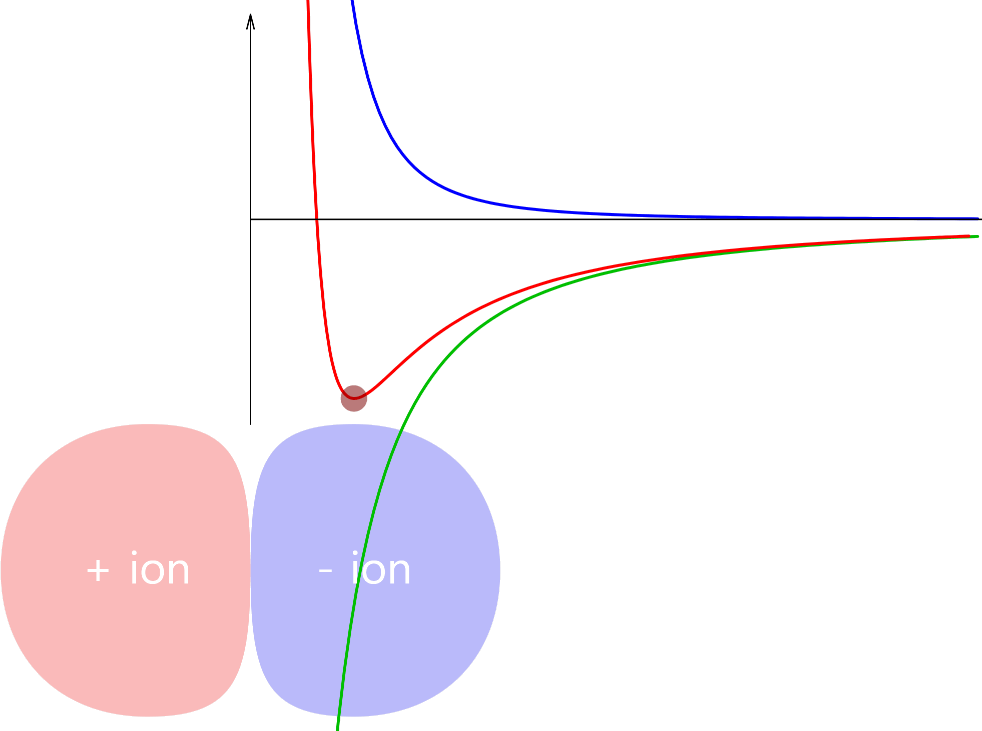
Formation and energy of the ionic bonds Metal atoms have strong properties to lose electrons and become cations. On the contrary, non-metallic atoms have strong properties to obtain electrons and become anions. As these two particles … more

Discovery of nuclear At the beginning of the 20th century, there was little known about the structure of atoms except that they contained electrons. At that time, the atom was known as a pudding model containing … more