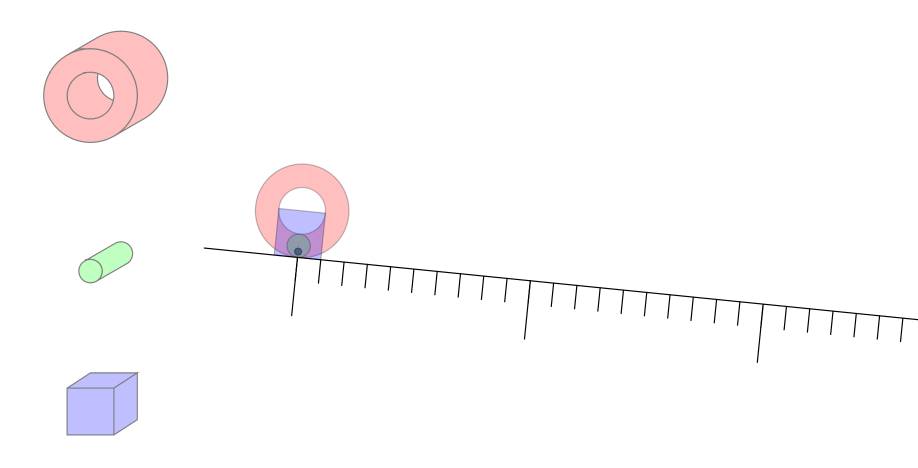
Moment of Inertia
This simulation assumes that there is rolling friction and no sliding friction. The cylinder and cube assumed the density of iron (7.874 g/cm³). Why does a rolling object go down slower than an object that slides … more
Science simulation, Probeware, Coding
This simulation assumes that there is rolling friction and no sliding friction. The cylinder and cube assumed the density of iron (7.874 g/cm³). Why does a rolling object go down slower than an object that slides … more
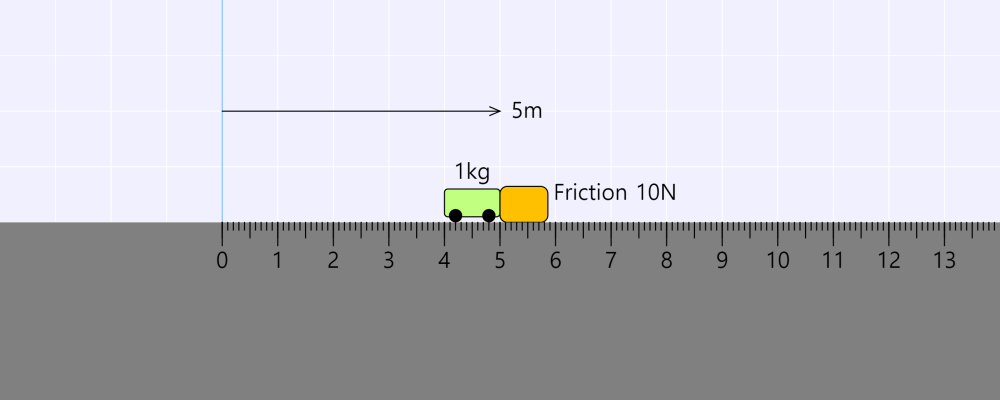
Kinetic energy All moving objects have kinetic energy. The kinetic energy Ek of an object with a mass of ‘m’ and a velocity of ‘v’ can be calculated as follows. \[E_{ k }=\frac { 1 }{ … more
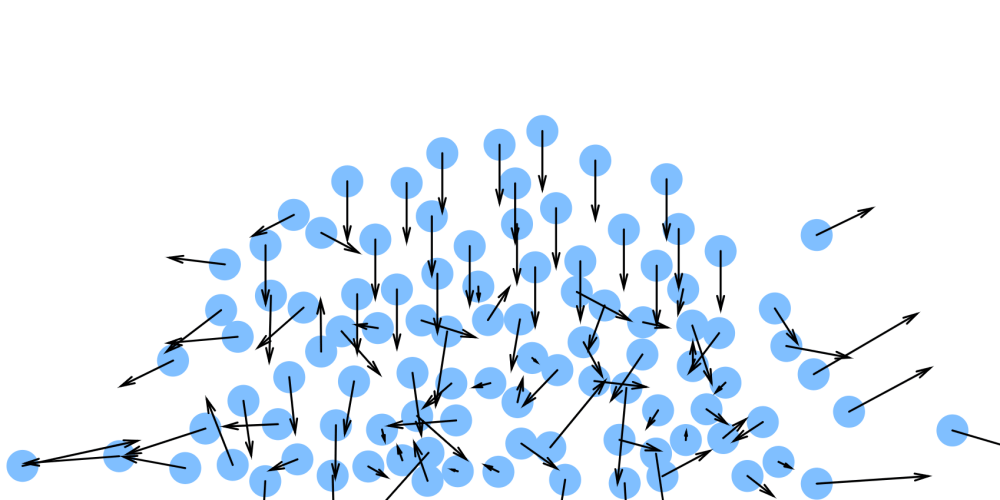
* In this simulation, the attraction between particles is not considered. Where did the droplet’s energy go? Let’s think about the free fall of a water drop. From a macro perspective, falling water droplets change position … more
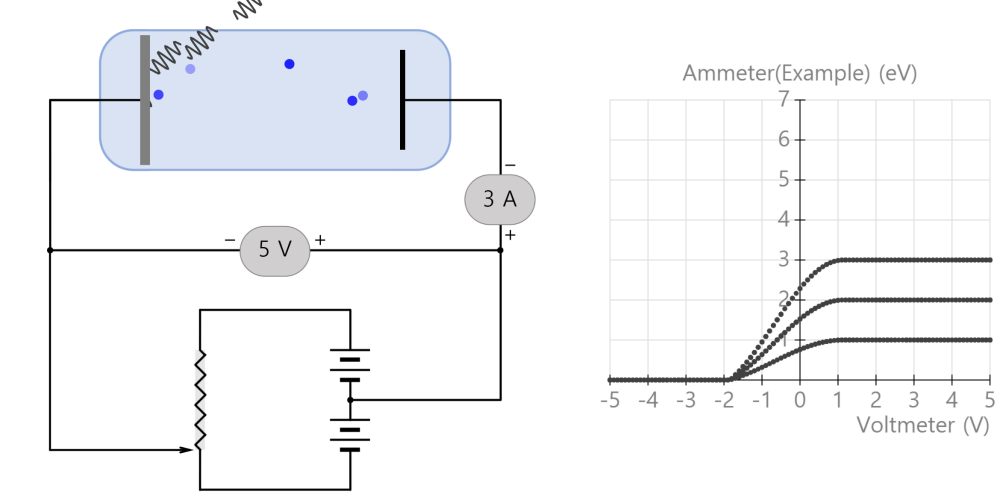
Photoelectric Effect The photoelectric effect is the phenomenon that the electrons pop out when a light beam incident on a metal surface. It can be thought that the energy of light is transformed into the form … more
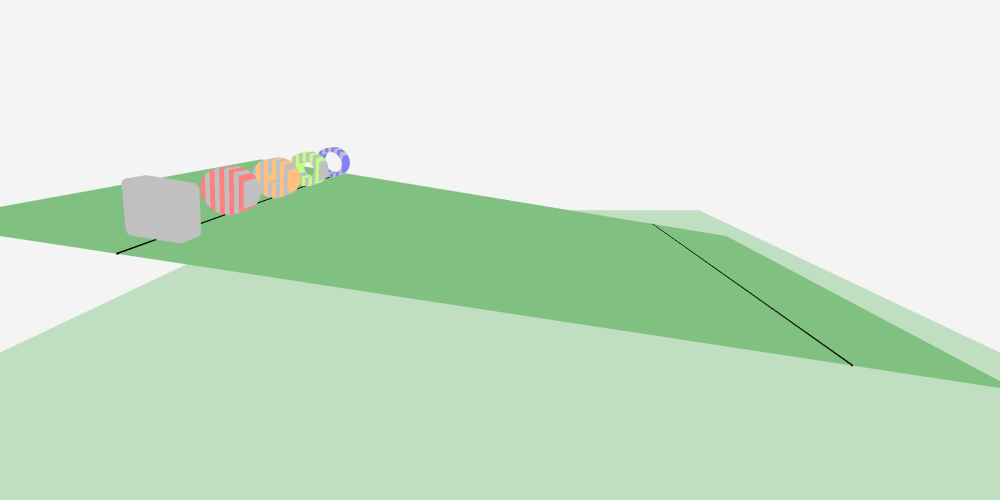
● It’s a tube. The radius of the tube is outside: inside = 0.75: 1. There is no rolling friction. ● It’s a tube. The radius of the tube is outside: inside = 0.5: 1. There … more
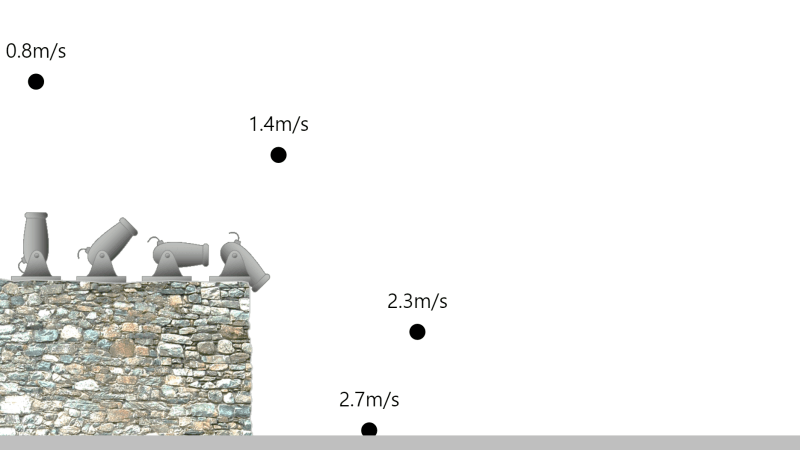
Mechanical energy Mechanical energy is the sum of potential and kinetic energy. Mechanical energy = potential energy + kinetic energy Em = EP + EK Mechanical energy conservation Without friction, the sum of an object’s initial … more

How cannonball become an artificial satellite? a. Imagine that a cannonball falls in a parabolic curve. The trajectory the cannonball draws is actually part of an elliptical orbit centered around the Earth. The center of the … more
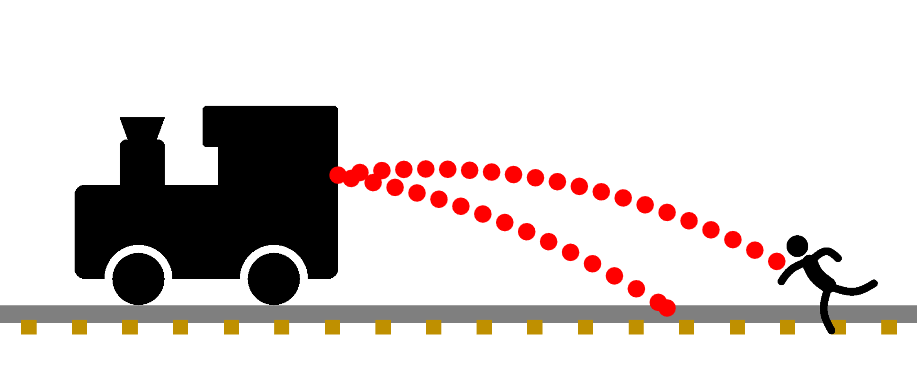
Slingshot effect Suppose you throw an elastic ball to a moving train. And since the train’s mass is huge, let’s assume that the ball’s mass is negligible compared to the mass of the train. At this … more

Kinetic energy All moving objects have kinetic energy. The kinetic energy Ek of an object with a mass of ‘m’ and a velocity of ‘v’ can be calculated as follows. \[E_{ k }=\frac { 1 }{ … more