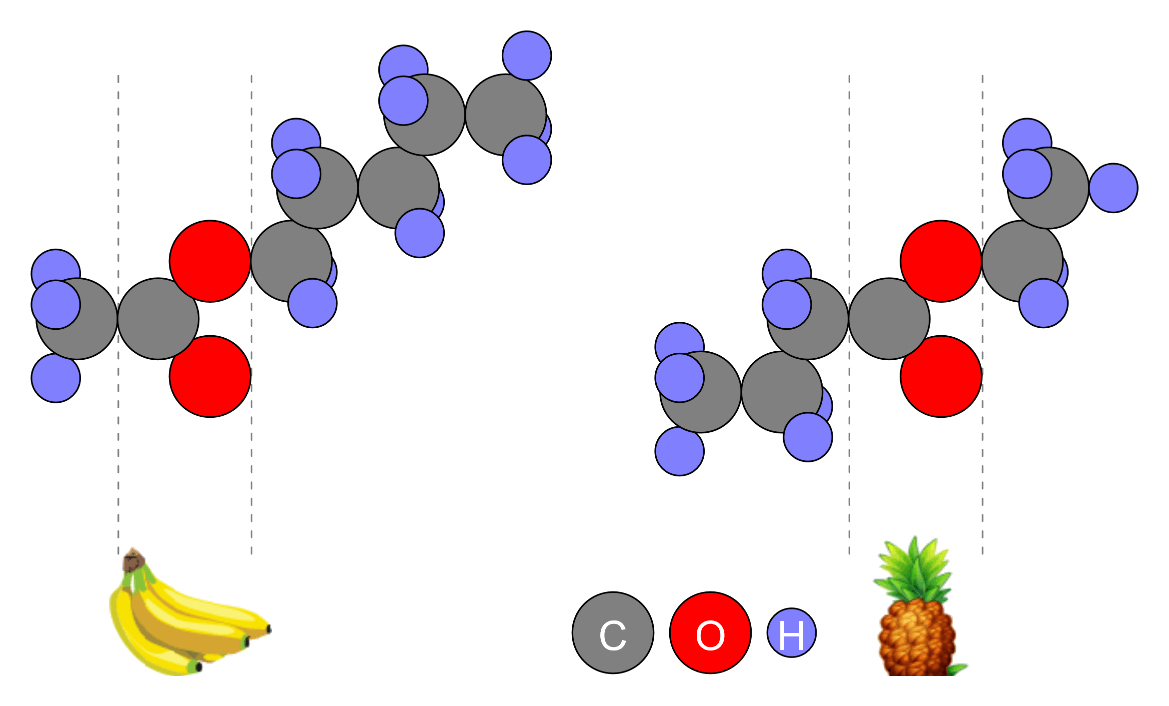
The Structure of Ester
Ester Ester is an organic compound having a -COO- group in the middle of its molecular structure. Esters usually have fragrances and are found in perfumes, herbal oils, and pheromones. It is also used as a … more
Science simulation, Probeware, Coding
Ester Ester is an organic compound having a -COO- group in the middle of its molecular structure. Esters usually have fragrances and are found in perfumes, herbal oils, and pheromones. It is also used as a … more
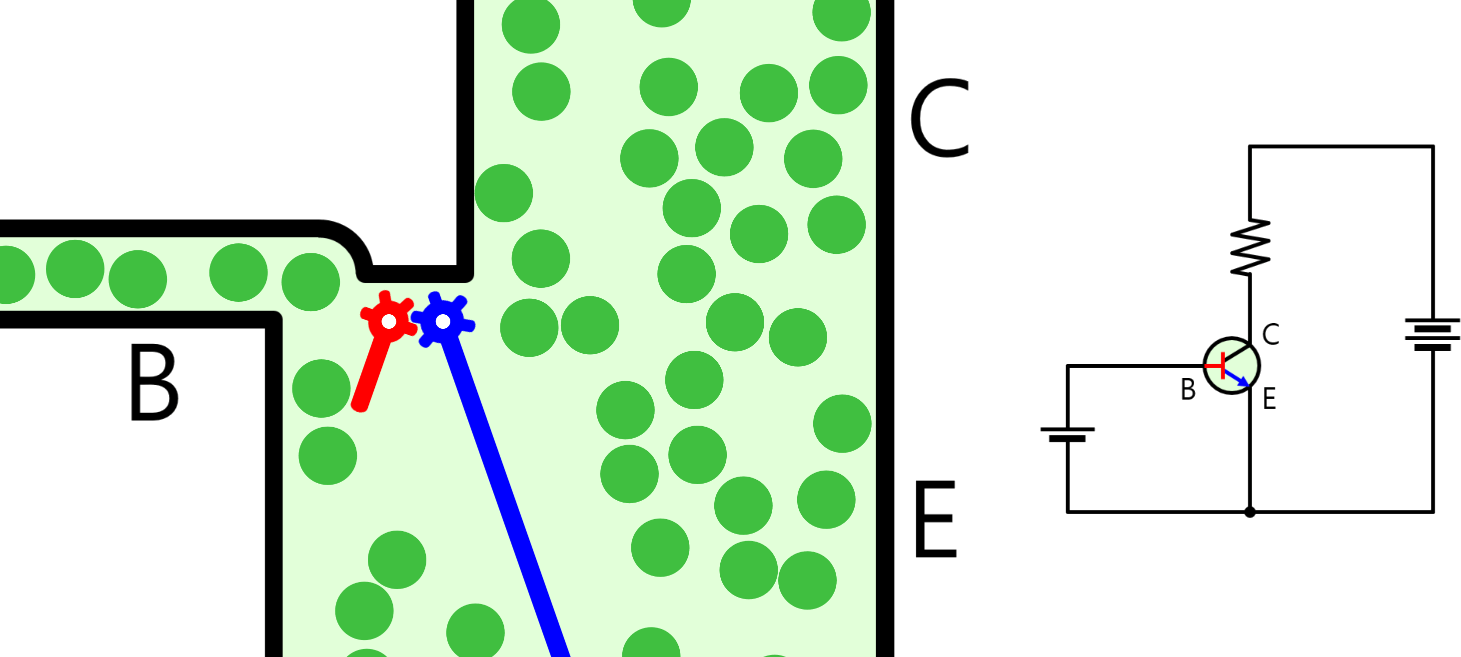
Transistor There are so many switches inside your computer that you can’t imagine. It’s not the hand-pressed switch we’ve been seeing. It is a switch operated by an electrical signal. The computer counts ‘1’ and ‘0’ … more
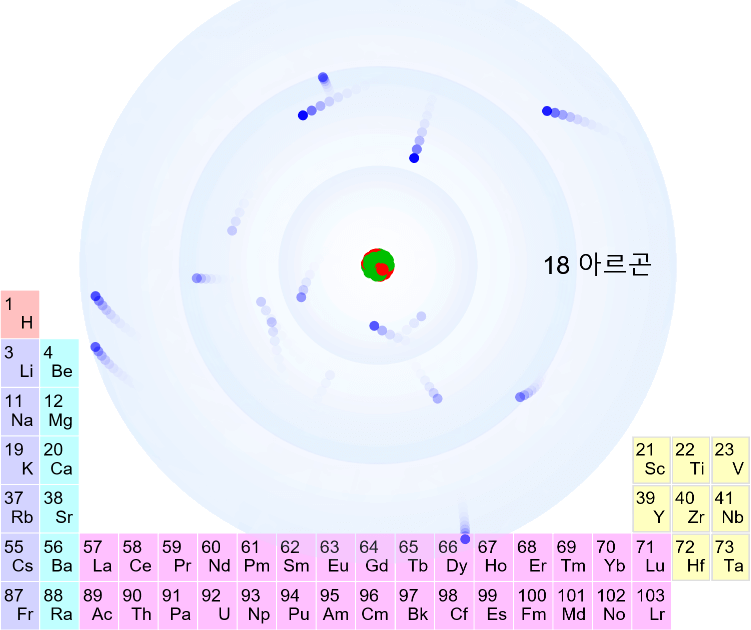
The discovery process of the atom Democritus (Ancient Greece) – Predict the presence of an atom Dalton (UK, 1800) – Applied atomic chemistry Krux (Britain, late 19th century) – Invented a cathode ray tube to explain … more

Pulse When the heartbeats, blood flows through the blood vessels in a certain rhythm, causing the blood vessels to vibrate. This vibration is called the pulse. So, by measuring your pulse rate, you can find out … more
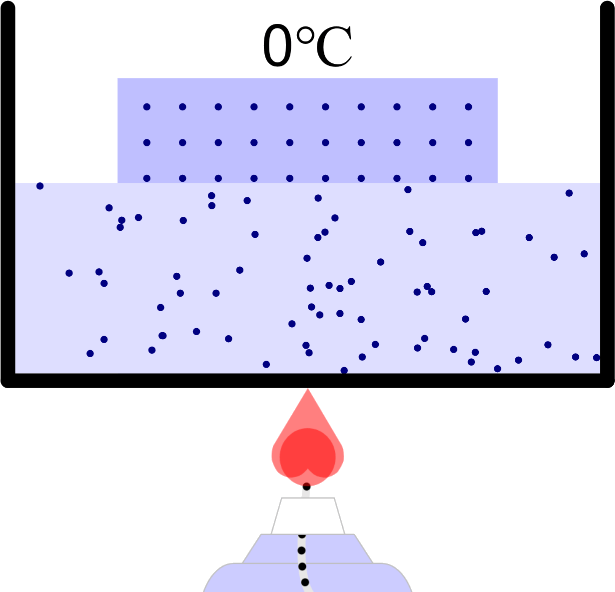
Melting point and heat of fusion When heat is applied to ice (solid), the temperature rises gradually. By the way, while the ice is melting, the temperature does not rise. Temperature is kept constant, and the … more

The standing wave of the drum In a standing wave, the position of the vibration node or antinode does not move. Since the drum has a fixed edge, the edge becomes the node of vibration. The … more
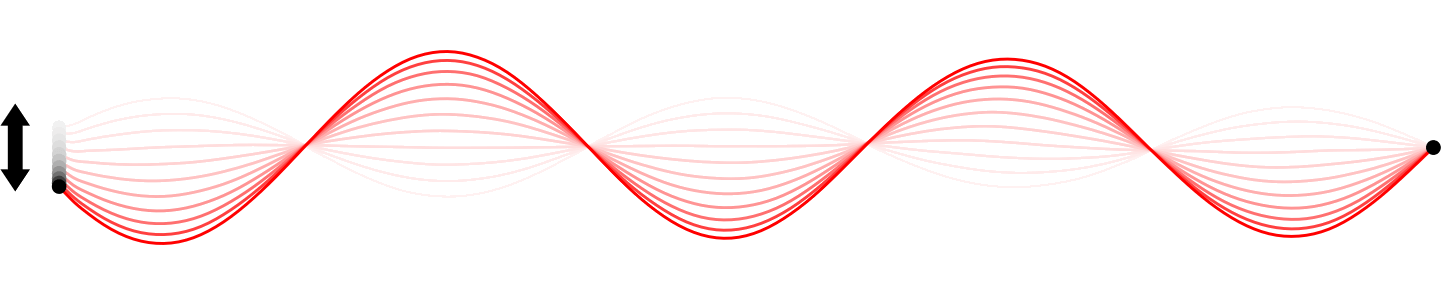
Reset The standing wave of the drum In a standing wave, the position of the vibration node or antinode does not move. Normally, standing waves are created by overlapping two or more waves. Or it can … more
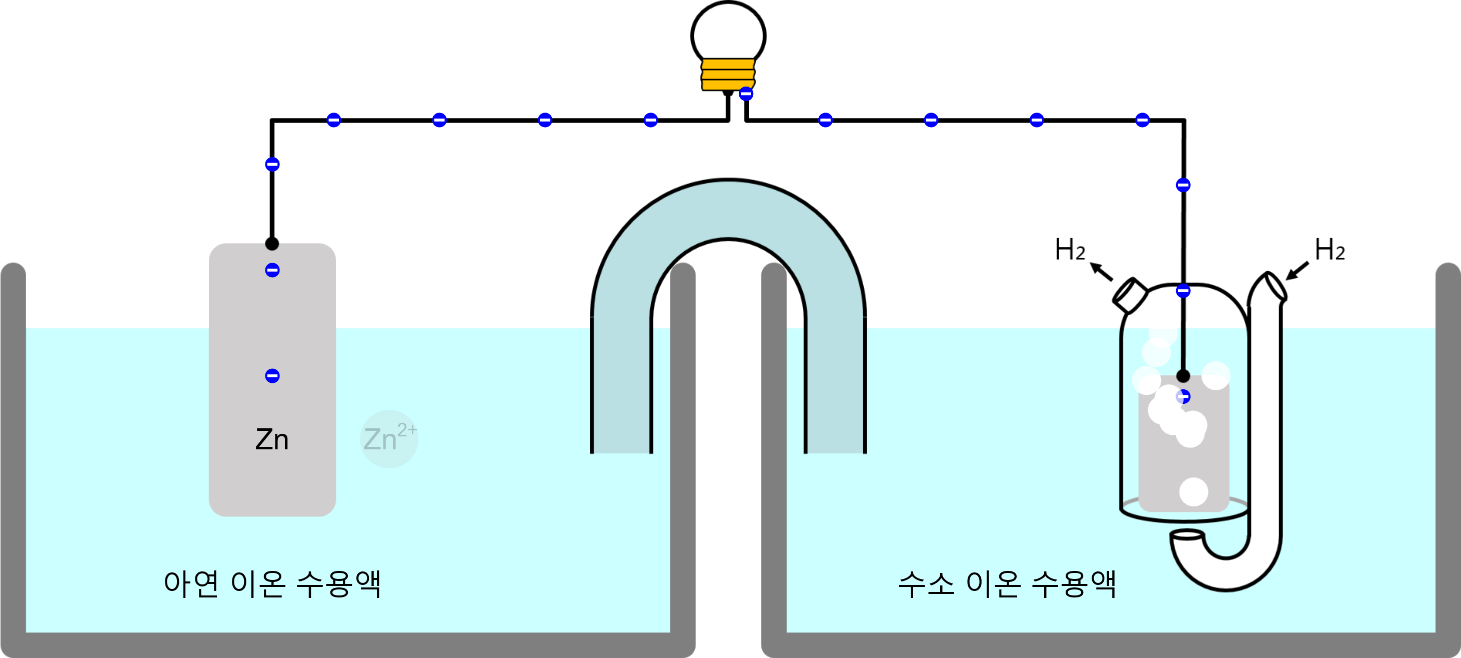
Standard hydrogen electrode A platinum electrode is inserted in a solution with a concentration of H+ of 1M, and hydrogen gas at 25℃ of 1 atm surrounding the platinum electrode is in equilibrium with H+. At … more
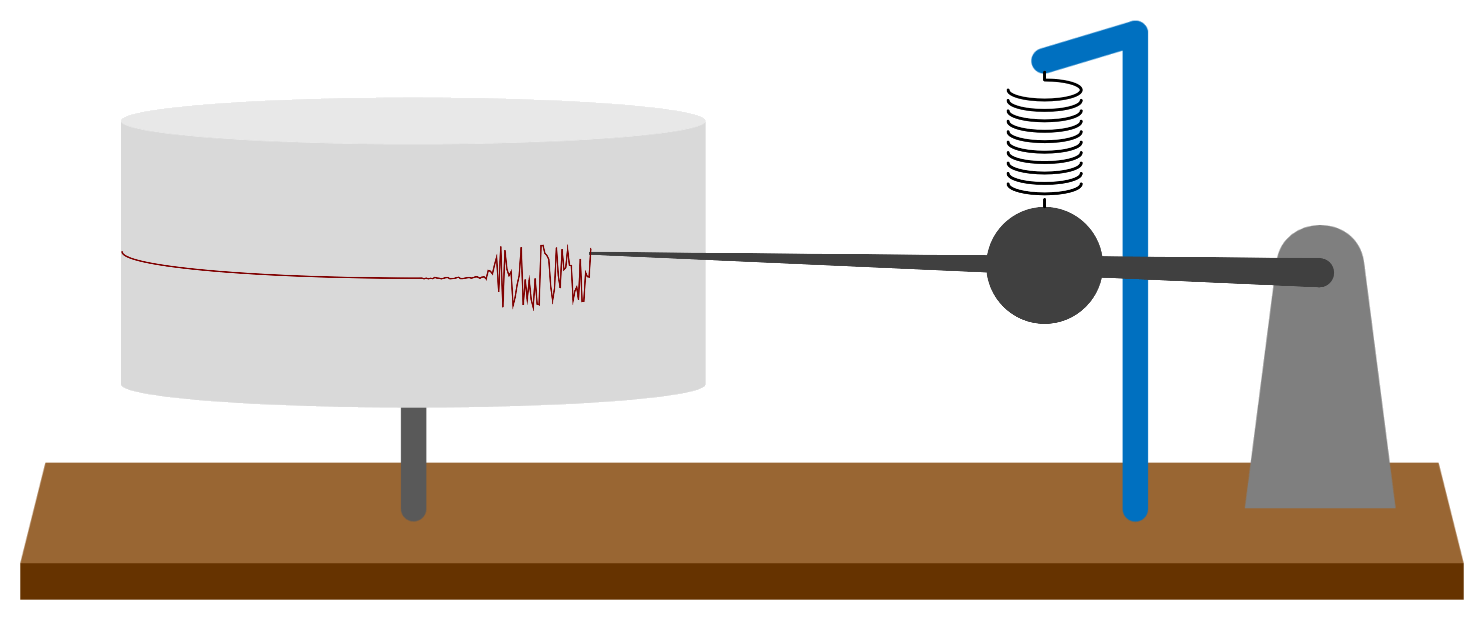
Inertia When the bus starts suddenly, the body momentarily leans backward. On the other hand, when the bus stops, the body is leaned forward. This is due to the nature of the object to maintain its … more
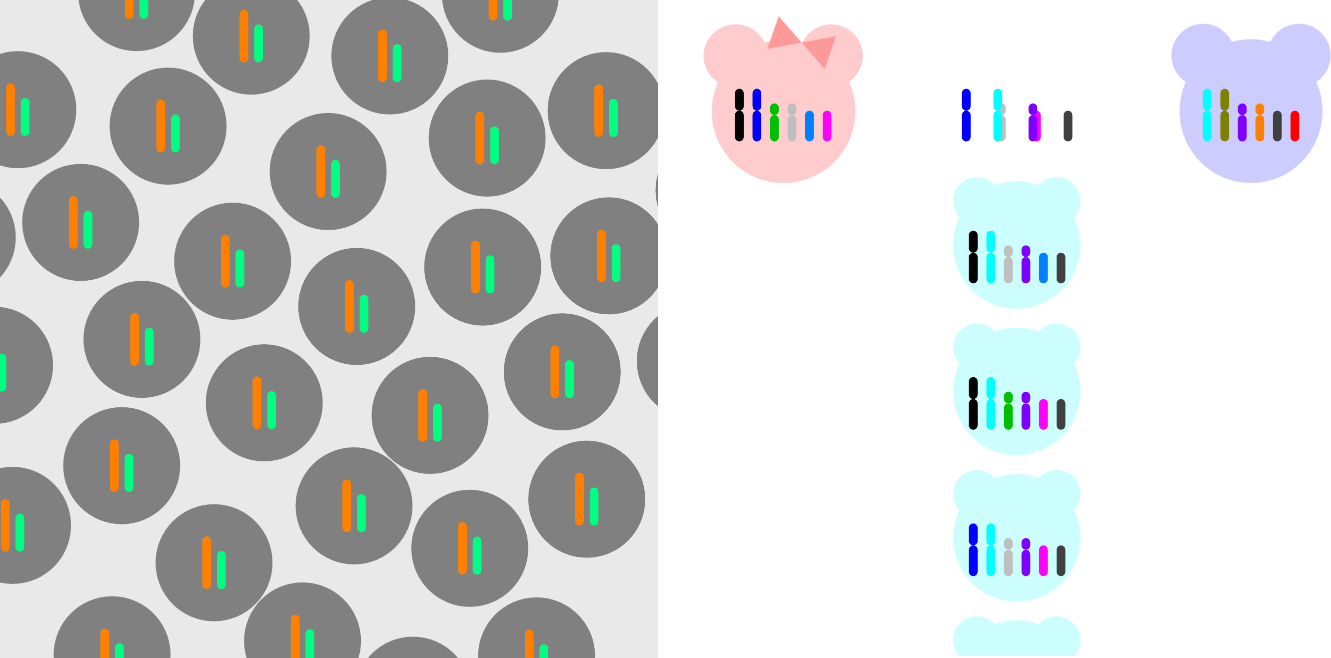
Asexual reproduction Some living things do not make reproductive cells. They make new offspring through cell division. This method of reproduction without male and female reproductive cells is called asexual reproduction. Sexual reproduction Many of the … more

How cannonball become an artificial satellite? a. Imagine that a cannonball falls in a parabolic curve. The trajectory the cannonball draws is actually part of an elliptical orbit centered around the Earth. The center of the … more
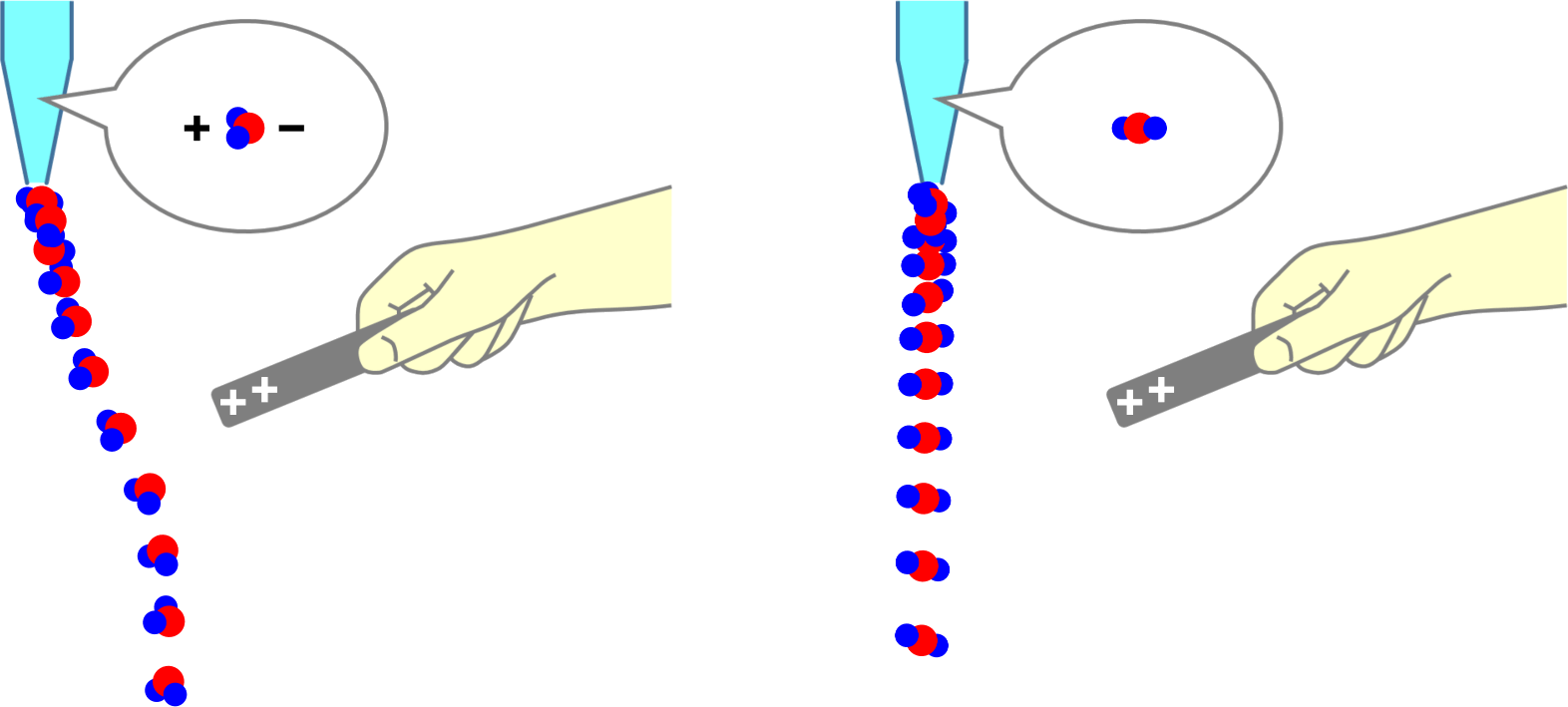
The structure of the water molecule Water is a representative ‘polar molecule’. The hydrogen-oxygen-hydrogen bonds that make up the water molecule have an angle of 104.5˚ and appear curved. Because of this unbalanced water molecule structure, … more