Adjusting Camera Exposure and Focus

Adjusting Camera Exposure and Focus

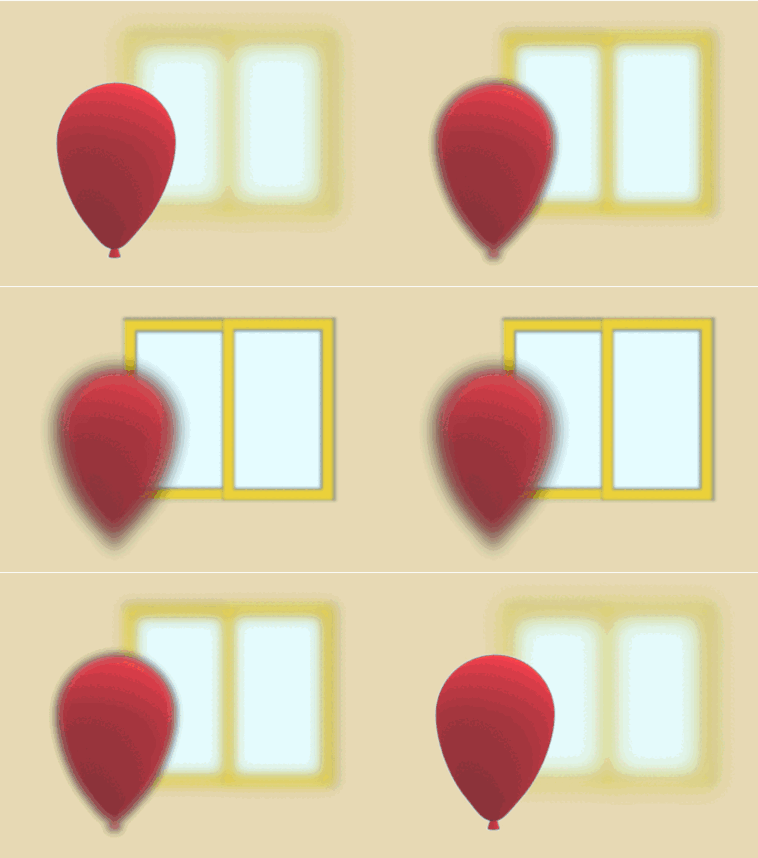
Camera In optics, an image is recreated by collecting some of the light emitted by an object. Devices that recognize images include eyes and cameras. The light entering the camera passes through the aperture and lens, … more
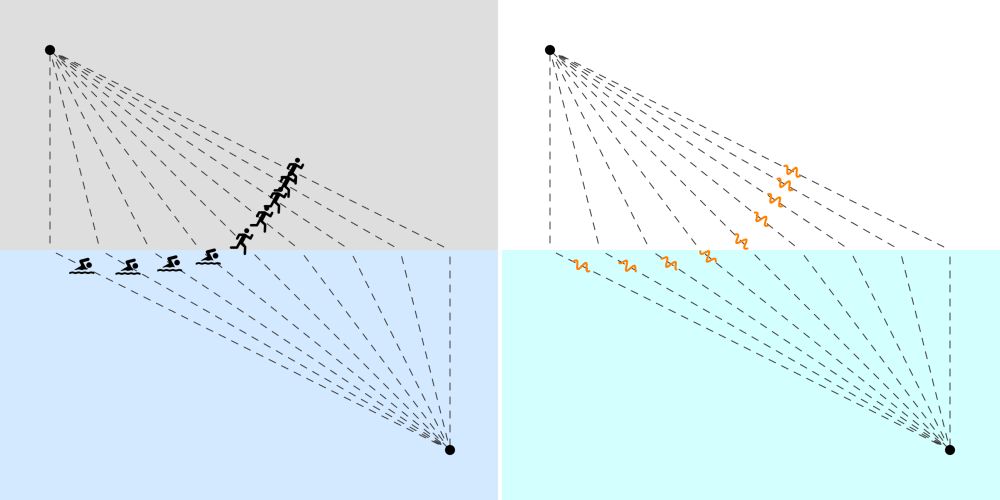
Principle of least time (Fermat's principle)

Principle of least time (Fermat’s principle)

Why does a slightly curved path take less time than a straight path? Ants can move faster on flat stones than on rugged grass. Therefore, travel time is the shortest on slightly curved paths. This principle … more

Light Refraction

Light Refraction

You can drag the path of light. Refraction is the bending of a wave caused by a change in its speed as it moves from one medium to another. This occurs because of the slow speed … more

Wave Propagation Simulation

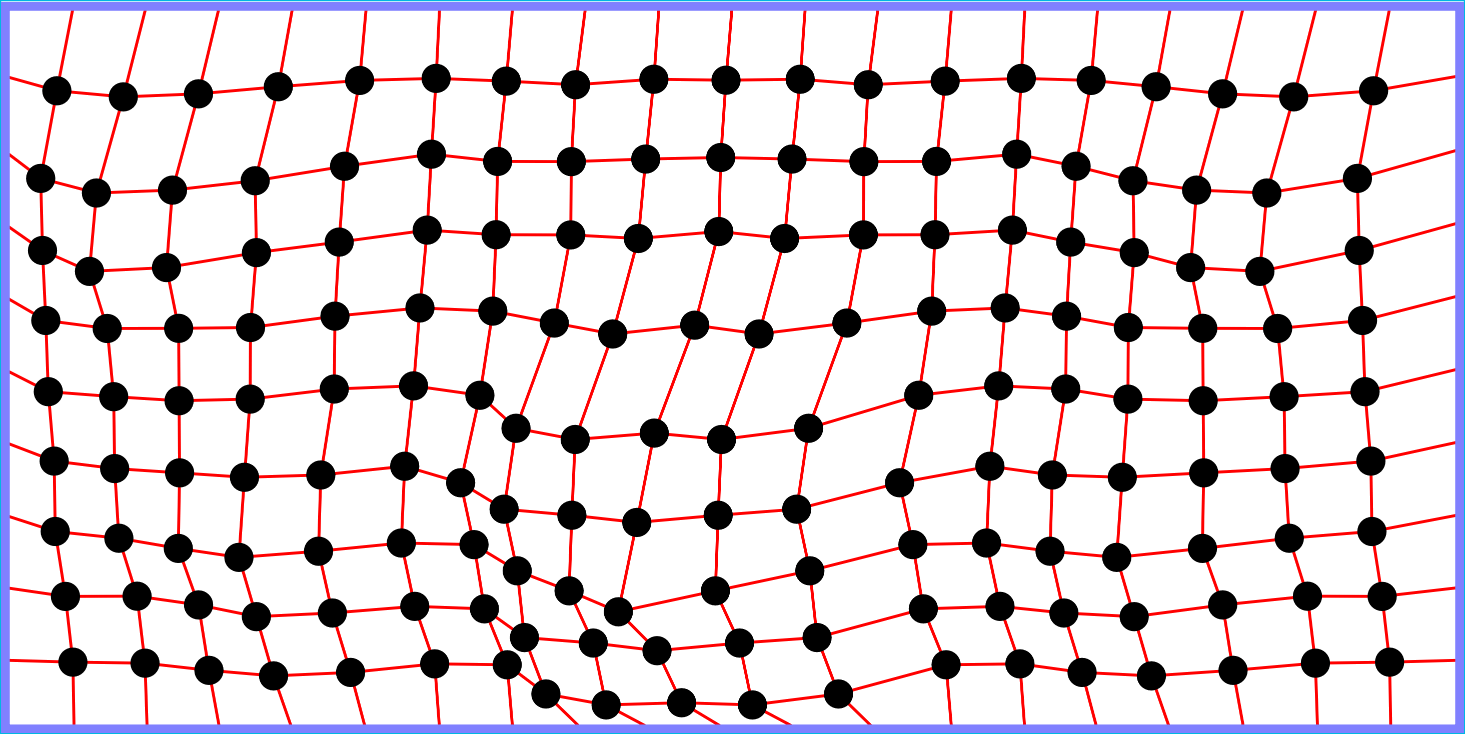
Wave Propagation

Reset Wave In science, a wave is a phenomenon in which energy is transmitted through a medium. It is the only energy that is transmitted through the wave. The medium only vibrates but does not actually … more

Line Spectrum and Continuous Spectrum

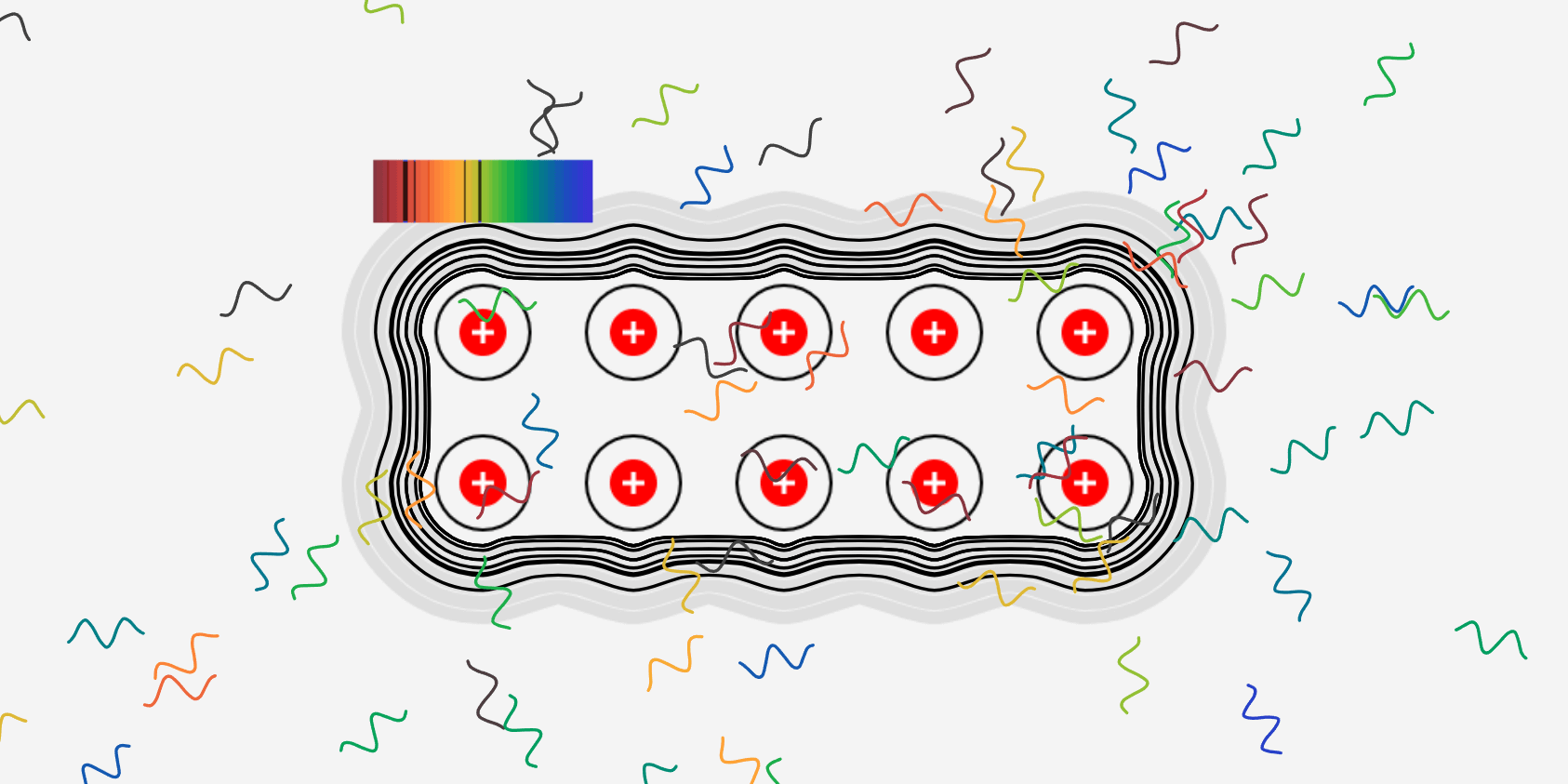
Line Spectrum and Continuous Spectrum

A solid metal can be made by grouping several hot gaseous (monatomic) metals together. What is the difference between emission spectra in the gas (monatomic) and solid state? The simulation above is a simple example and … more

All the Colors of the World

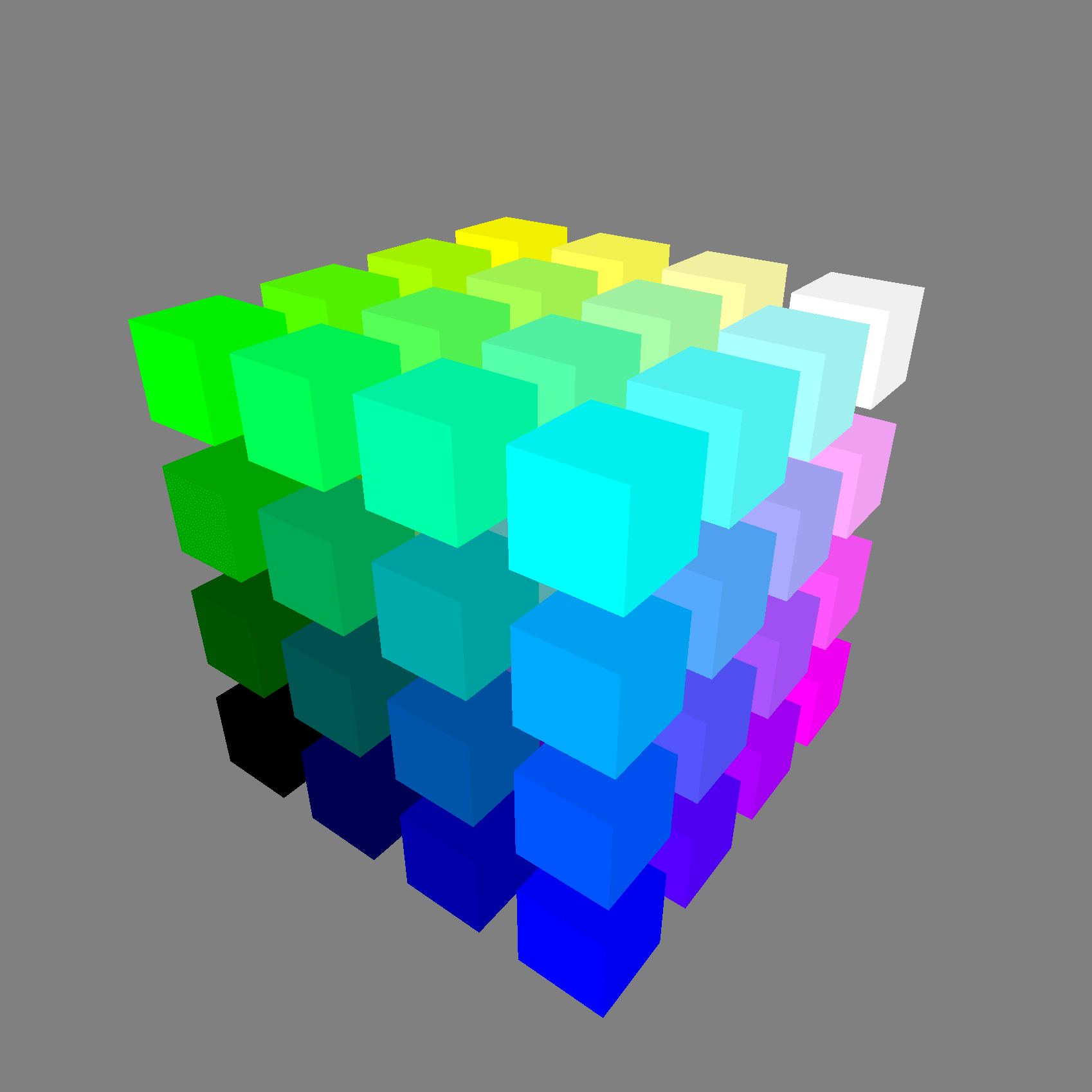
All the Colors of the Universe (Color Cube)

The three primary colors of light are red, green, and blue. Depending on how these three lights are mixed, different composite colors appear. For better understanding, let’s imagine a three-dimensional coordinate system with the x, y, … more

Michelson Interferometer

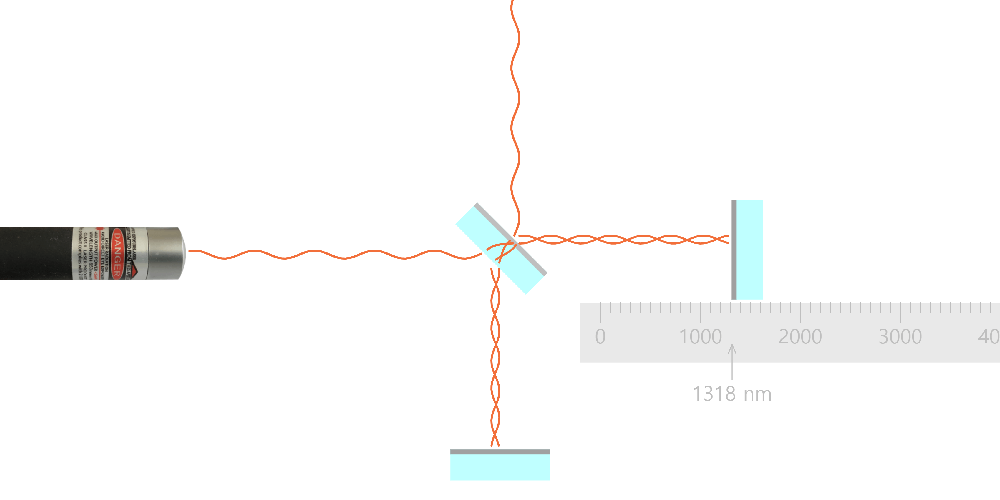
Michelson Interferometer

Michelson interferometer The Michelson interferometer was invented by the American physicist Michelson. Although it has a simple structure, it can measure very small distance differences, such as the size of an atomic nucleus. The Michelson interferometer … more

Why do you always have crystal ball covered?

Why do we always have crystal ball covered?

Why do we always have crystal ball covered? While surfing the web, I came across a fascinating article on Twitter. It sounds like a fun topic, so we decided to simulate the refraction of all light … more

Evolution of the eye

Evolution of the eye

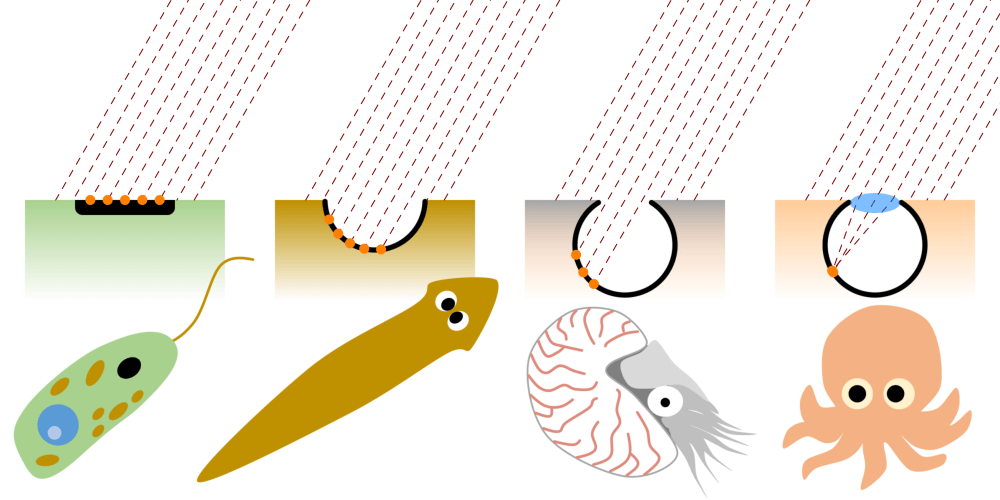
Flagellate Hundreds of millions of years ago, light-sensing organelles arose inside the monad. Creatures with ‘photoreceptors’ are able to distinguish day and night and can also avoid harmful ultraviolet light. Flatworm And these photoreceptors have evolved … more

Correction of Near-sightedness & Far-sightedness

Correction of Near-sightedness & Far-sightedness

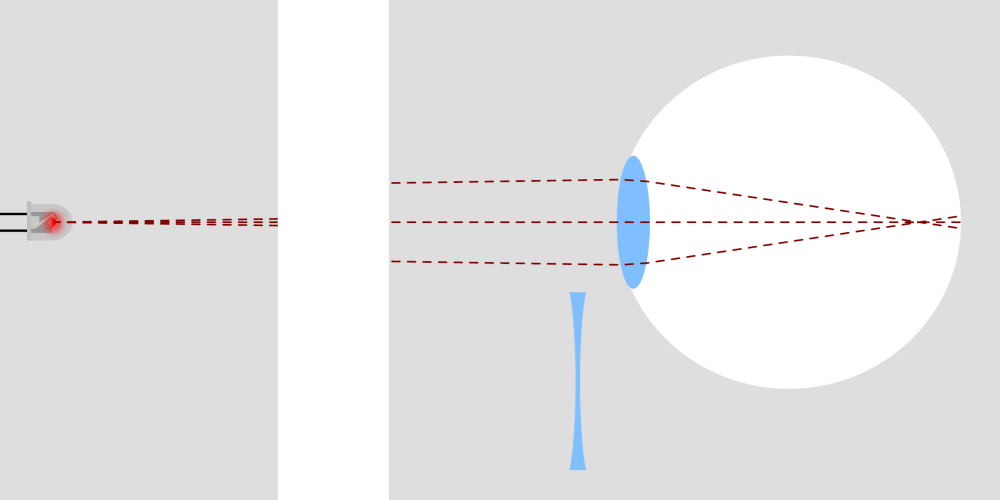
Focusing The light started from the object must have arrived exactly at one point on the retina to see things in detail. On the other hand, if the light from one point of the object is … more

Tuning Fork and Sound Wave

Tuning Fork and Sound Wave

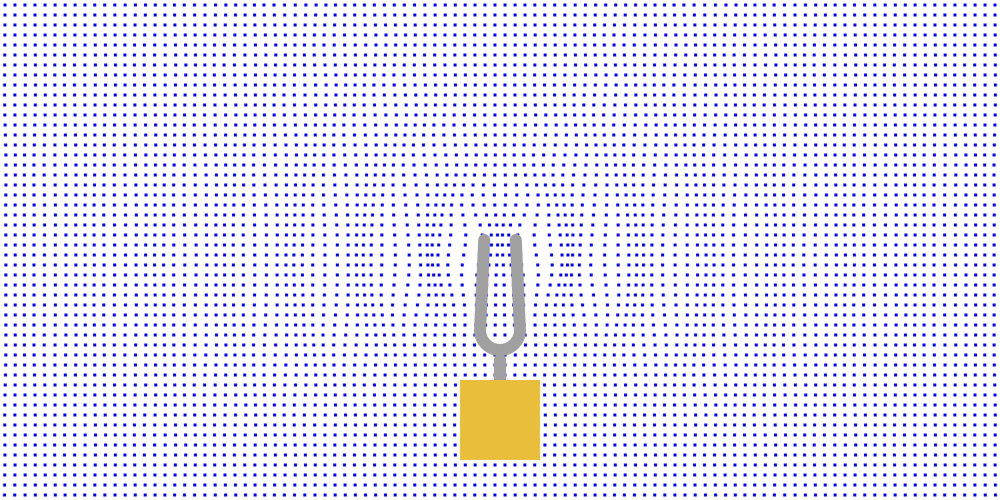
Tuning fork The tuning fork has a structure that combines the ends of two sticks. When the tuning fork is vibrated, the tuning fork repeatedly approaches and then moves away from each other. The vibration mechanism … more

Double Slit Experiment

Double-Slit Experiment

Double Slit Experiment The double-slit experiment is the observation of the pattern that a single wavelength of light creates after passing through two slits. Light passes through each slit and then creates a light or dark … more