Gas in Various Condition
This simulation supports multitouch. Nature of gas Since the gas can not be seen or touched, a little imagination is needed to understand the ‘nature of the gas.’ In most everyday life, people often do not … more
Science simulation, Probeware, Coding
This simulation supports multitouch. Nature of gas Since the gas can not be seen or touched, a little imagination is needed to understand the ‘nature of the gas.’ In most everyday life, people often do not … more
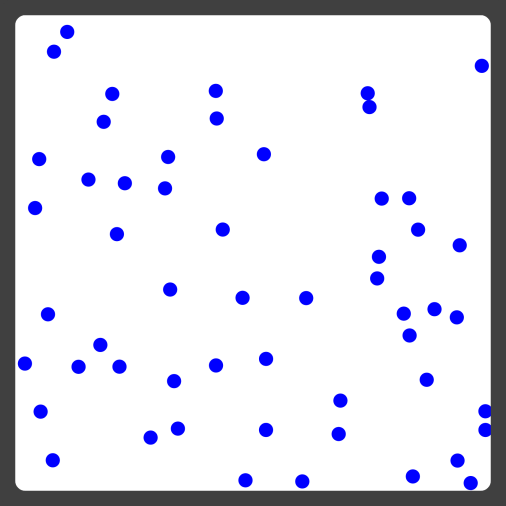
State of matter The material around us exists in three states (solid, liquid, gas) depending on temperature. Solids do not change shape and volume like ice, trees, and so on. The liquid has the property of … more
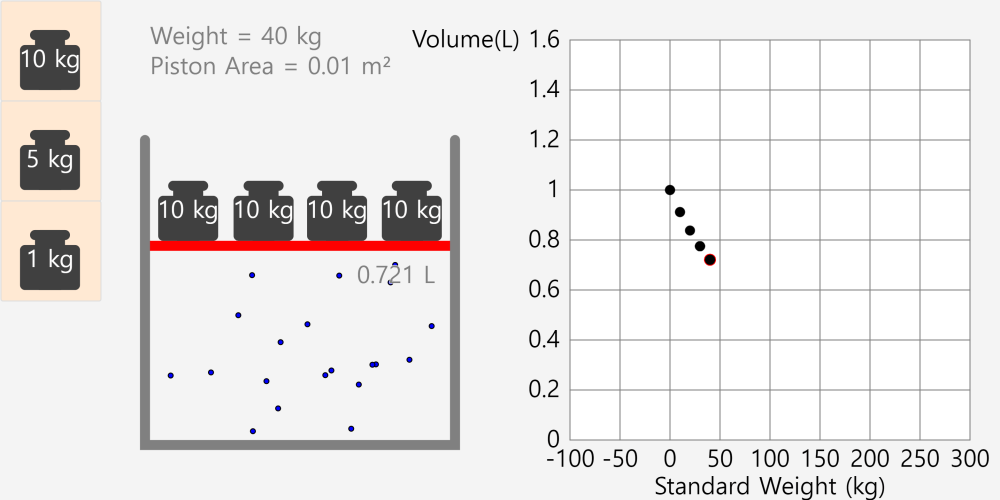
Drag the standard weight and place it on top of the piston. You can download graph data. Boyle’s Law Doubling the pressure of a gas reduces the volume of the gas by 1/2, and increasing the … more

* The gas molecules in the above simulation are all of the same type, and the color of the molecules is for identification purposes only. Kinetic Molecular Theory of Gases ‘Kinetic Theory of Gases’ is a … more
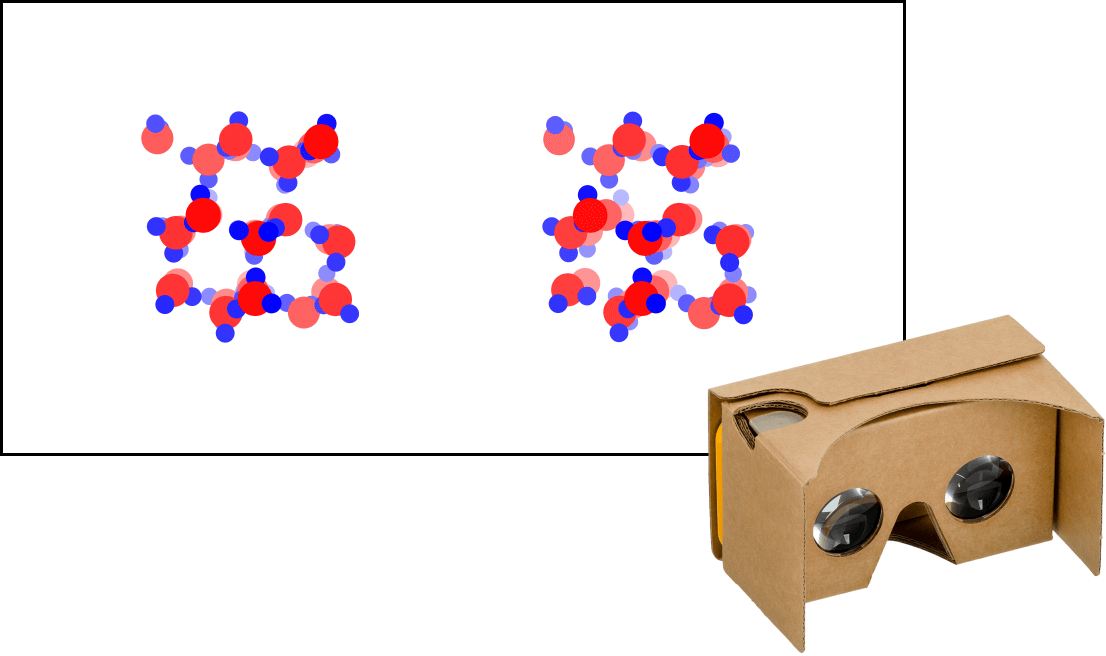
Looking through the VR device, you can observe the 3-dimensional molecular bonding structure of ice.
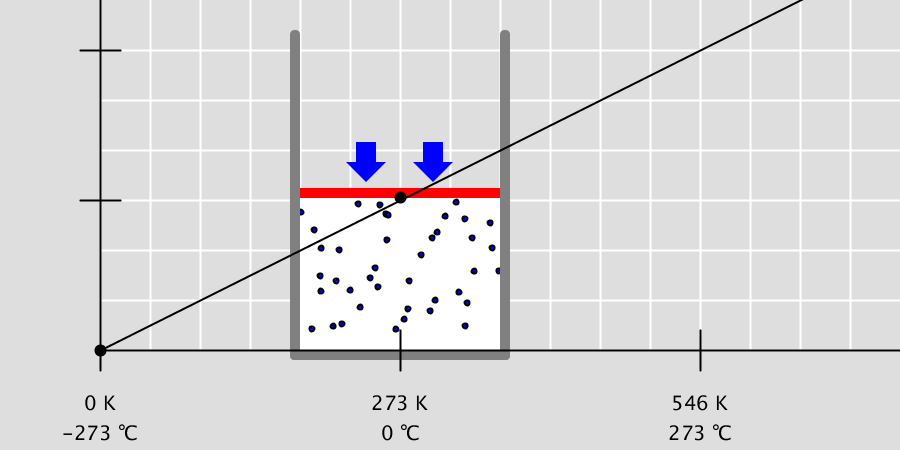
Charle’s Law Assuming constant pressure, increasing the temperature of the gas will speed up the molecular motion. As the gas often collides with the vessel wall, the volume increases. Conversely, if you lower the temperature of … more
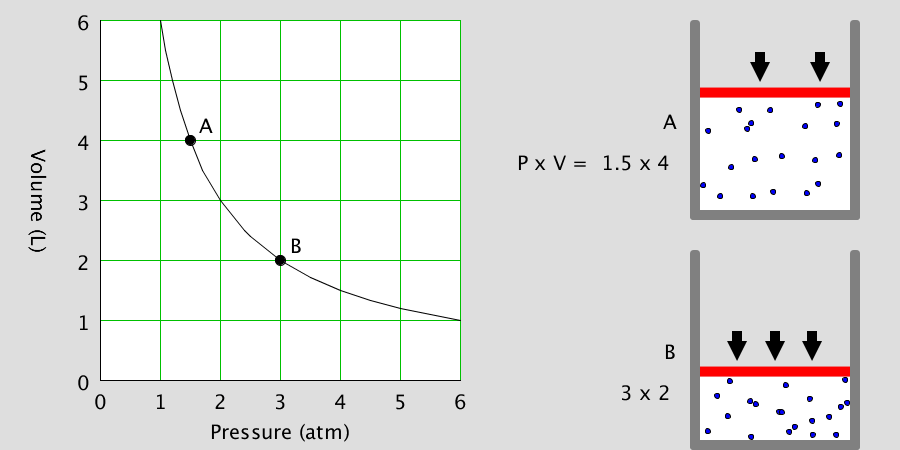
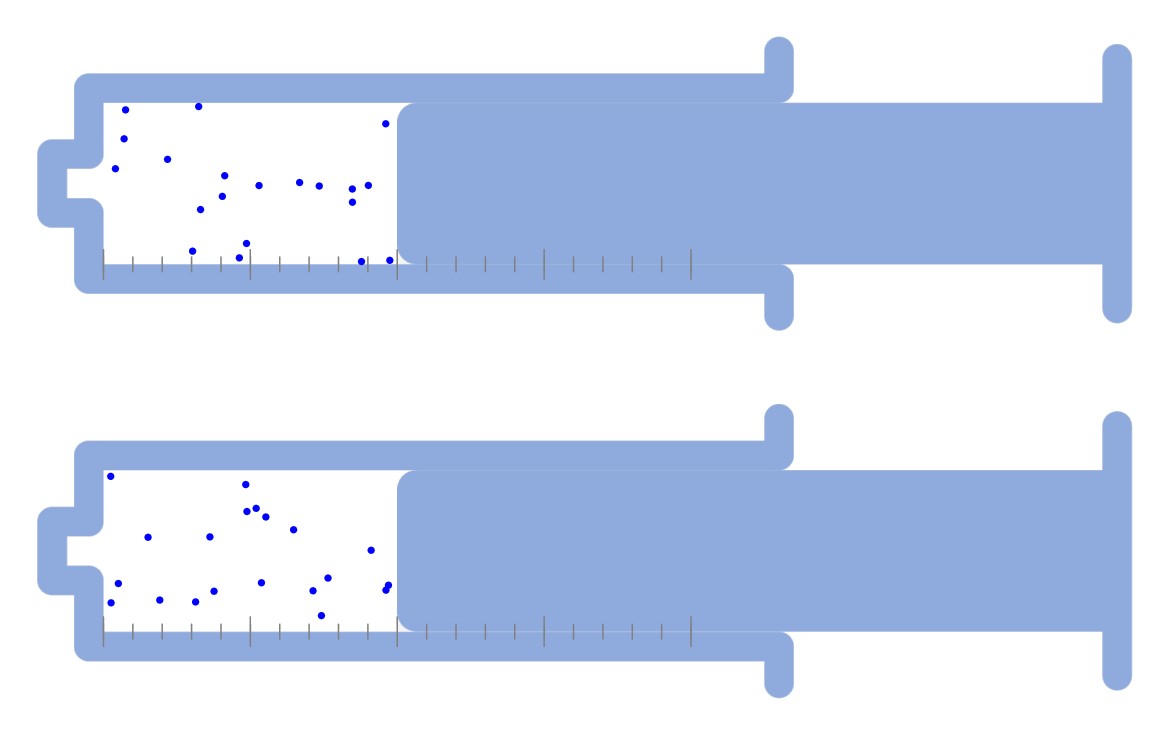
Boyle’s Law If you press the piston of a syringe containing a certain number of gas molecules, the gas molecules’ space is reduced. Therefore, the gas molecules collide with the syringe wall more and more. As … more
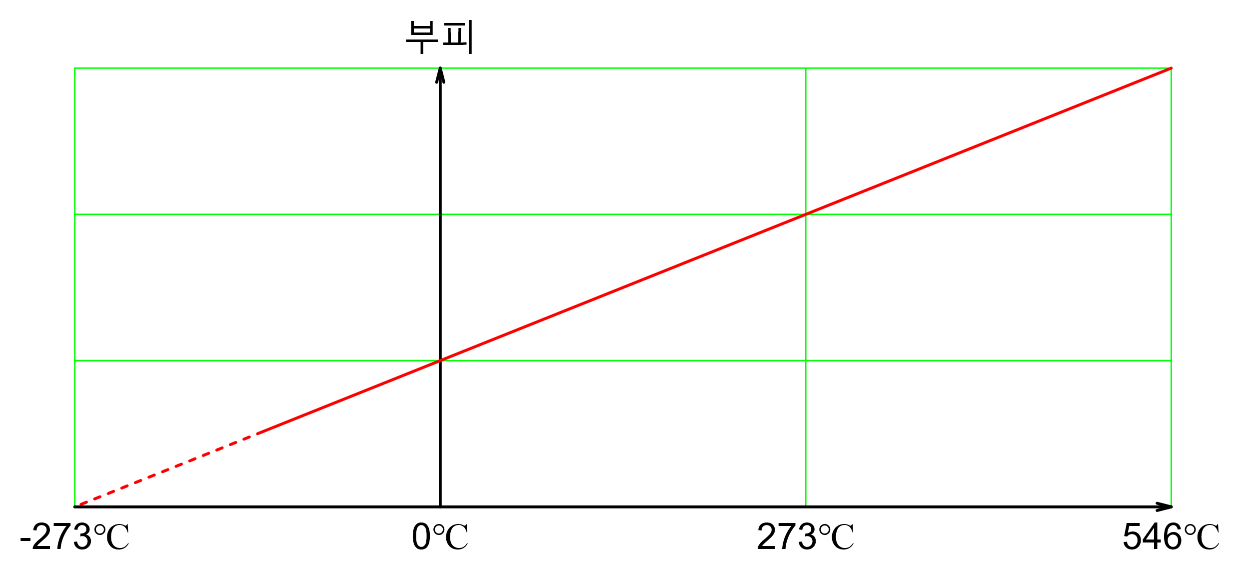
Charle’s Law Charle’s Law In 1787, French scientist Charle (1746-1823) revealed that increasing the temperature of a gas by 1℃ at constant pressure increases the volume of the gas by 1/273 of the volume at 0℃. … more
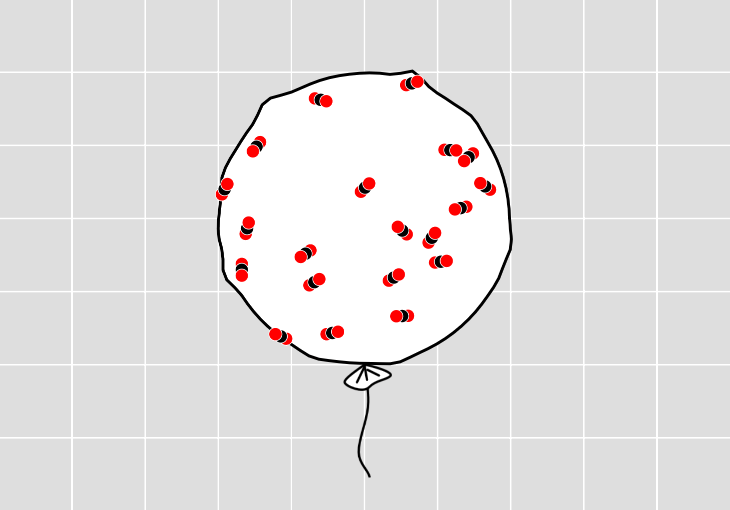
Avogadro’s Law The Italian scientist Avogadro (1776-1856) introduced the molecules’ concept to explain gases’ reactions. According to his theory, the volume of any gas at the same temperature and pressure is proportional to the molecules’ number. … more
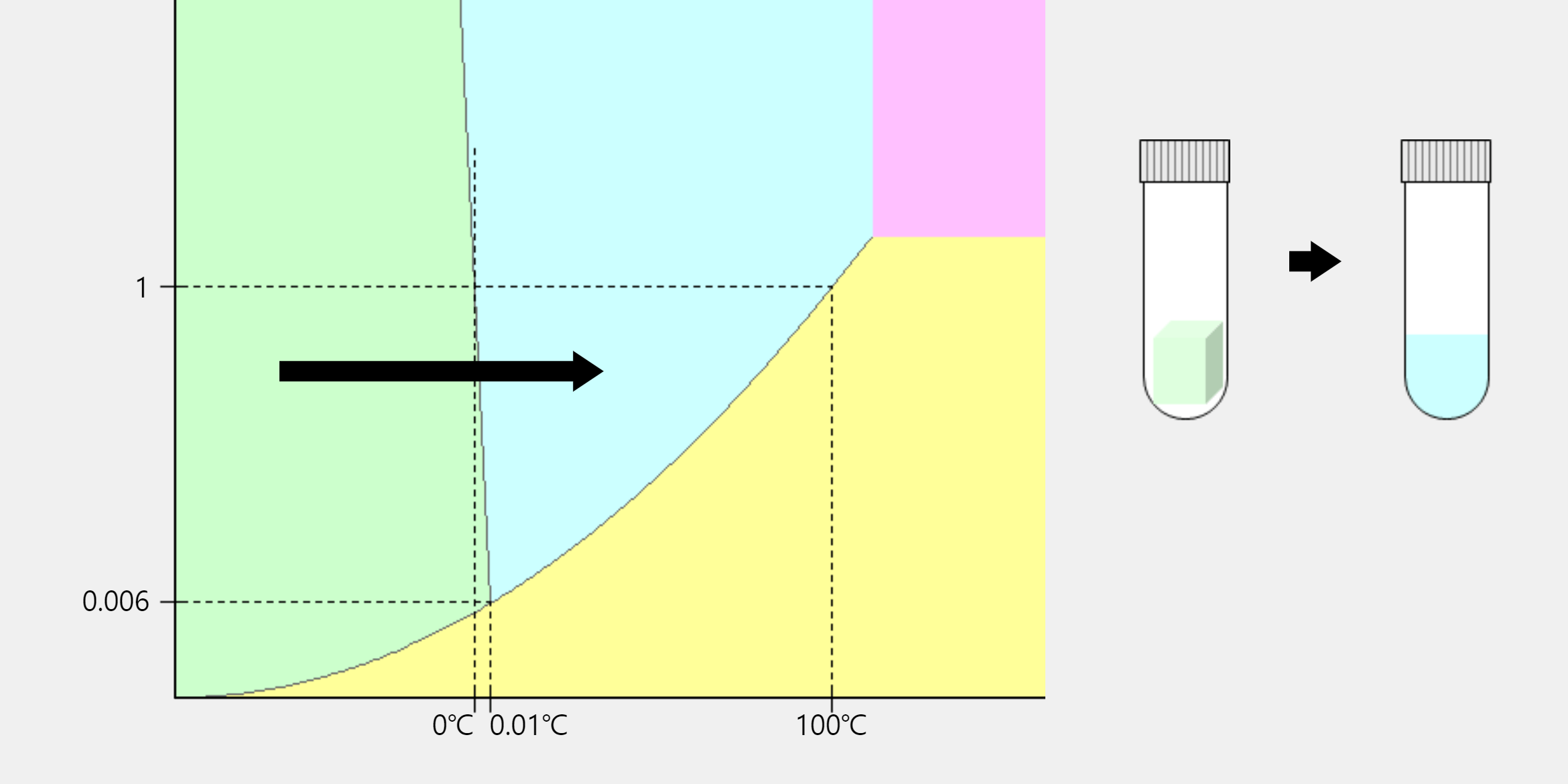
All naturally occurring elements CAN exist as a solid, liquid, or gas, and all will have at least one triple point. (except Helium) The triple point is the unique combination of temperature and pressure at which … more