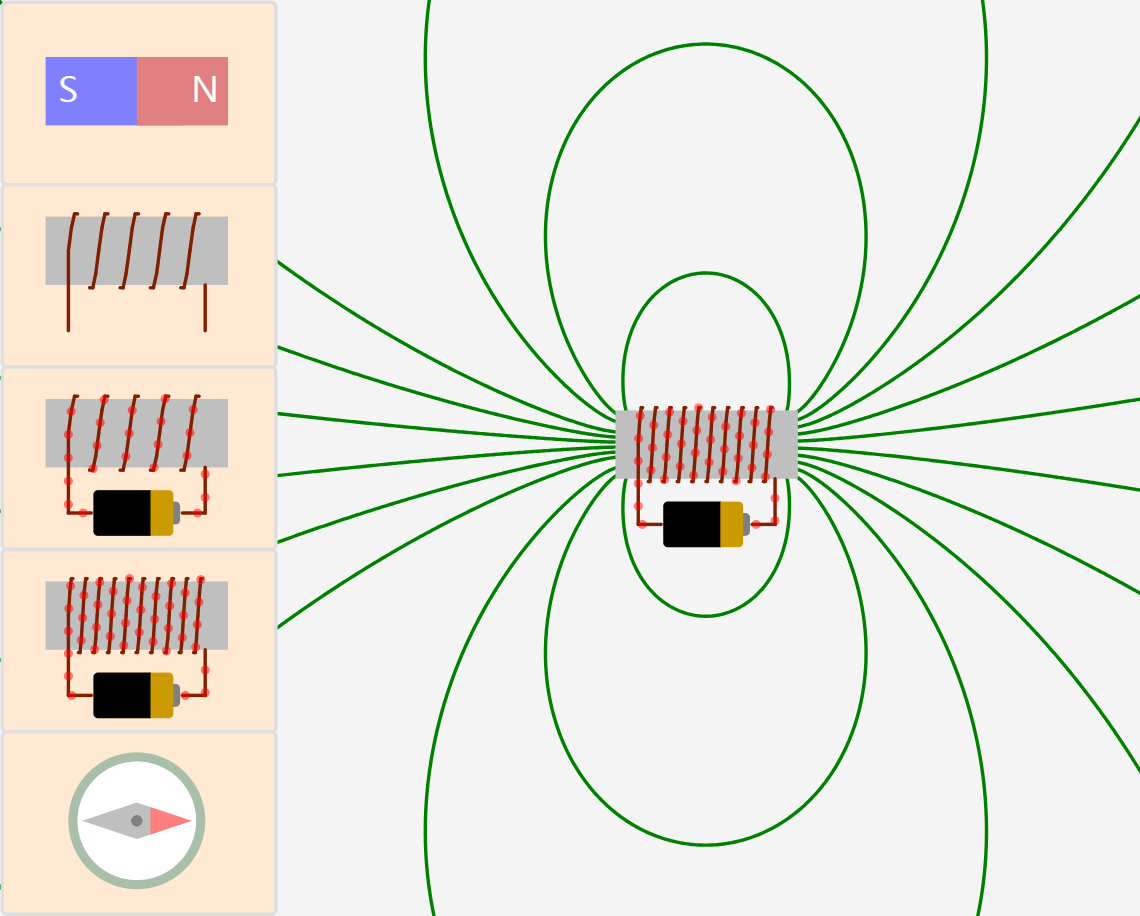
Magnets and electromagnets
What is the difference between a magnet and an electromagnet? Let’s assume there is a small container you can’t see inside. There is a magnetic field around this container that can attract iron. Then, can you … more
Science simulation, Probeware, Coding
What is the difference between a magnet and an electromagnet? Let’s assume there is a small container you can’t see inside. There is a magnetic field around this container that can attract iron. Then, can you … more

When you rub a balloon on a cat, it charged. Charged balloons can be attached to walls or cat. The charged balloon rolls down as it discharges after a certain period of time. Triboelectricity If you … more
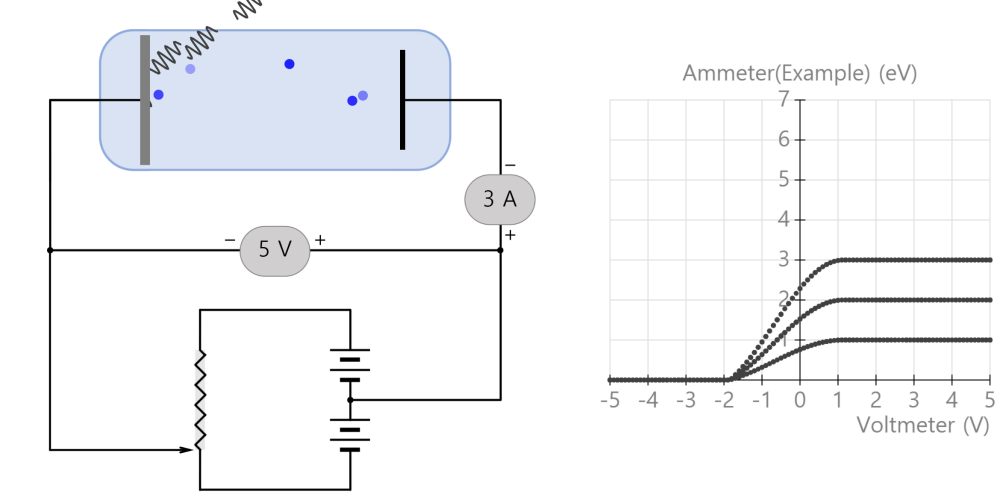
Photoelectric Effect The photoelectric effect is the phenomenon that the electrons pop out when a light beam incident on a metal surface. It can be thought that the energy of light is transformed into the form … more

Photoelectric Effect The photoelectric effect is the phenomenon that the electrons pop out when a light beam incident on a metal surface. It can be thought that the energy of light is transformed into the form … more
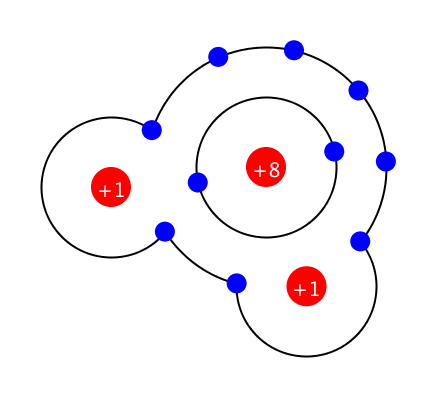
What is Covalent Bond? The covalent bond is a bond formed by atoms. Each atom creates an electron pair and shares it. Because each other’s electrons are shared in pairs, the number of electrons involved in … more
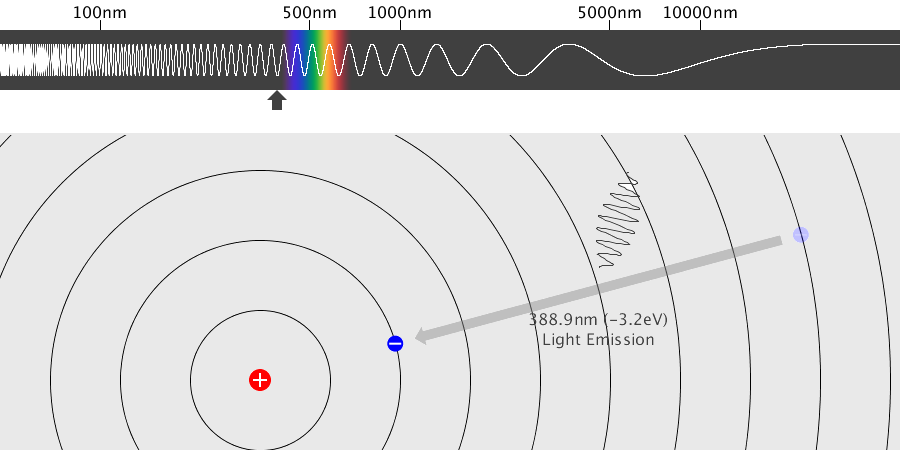
Spectrum of hydrogen At the time of Rutherford’s experiments, chemists analyzed chemical components using spectroscopy, and physicists tried to find what kind of order in complex spectral lines. For example, a hydrogen arc tube containing hydrogen, … more
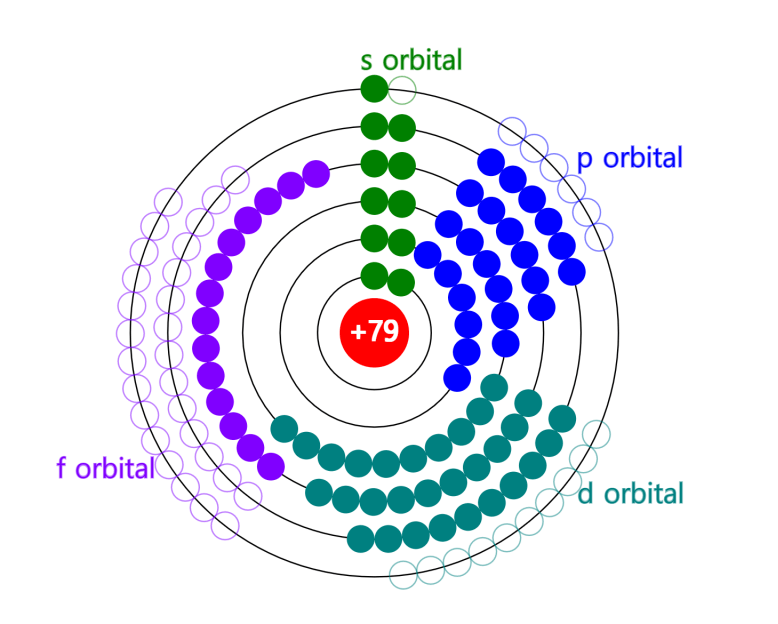
Orbital An atom has an atomic nucleus with a (+) charge at the center and electrons with a negative charge around it. Electrons are arranged according to certain rules (wave functions), which are called ‘orbitals.’ In … more