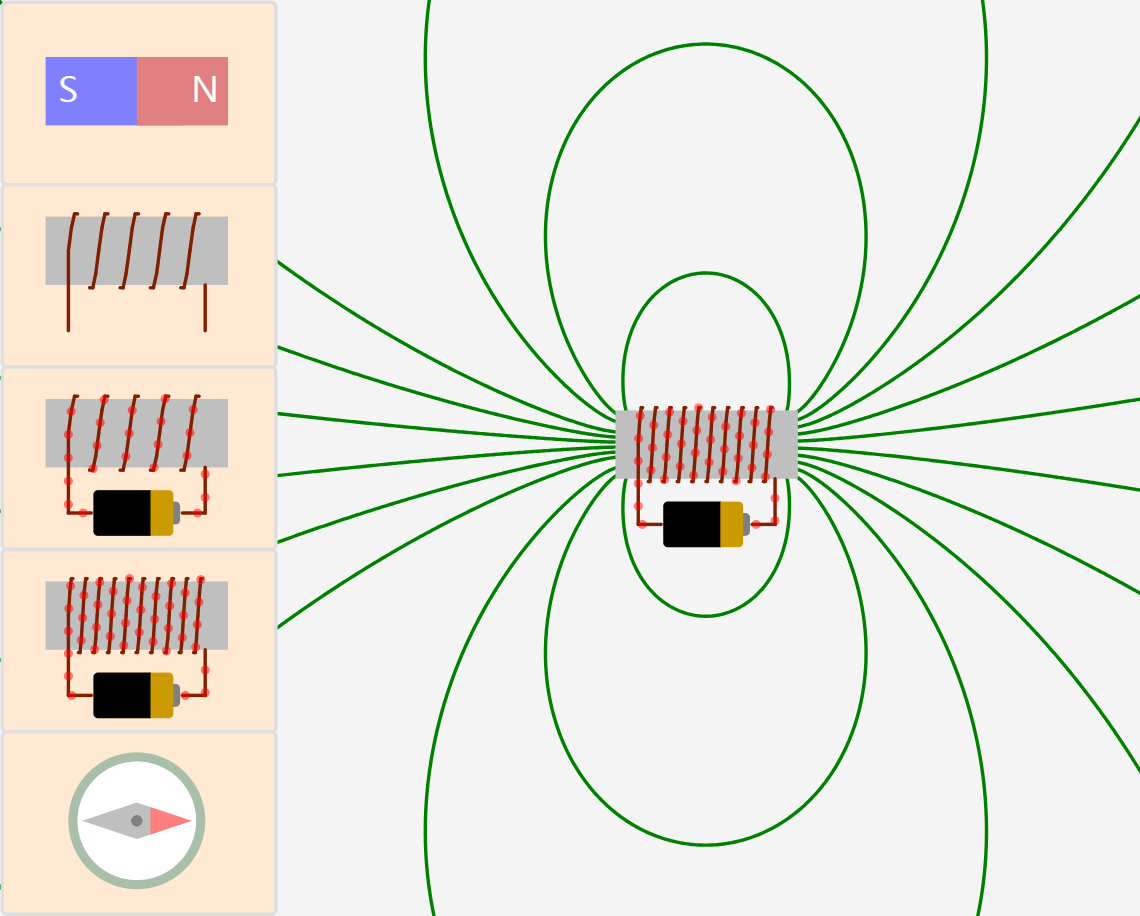
Magnets and electromagnets
What is the difference between a magnet and an electromagnet? Let’s assume there is a small container you can’t see inside. There is a magnetic field around this container that can attract iron. Then, can you … more
Science simulation, Probeware, Coding
What is the difference between a magnet and an electromagnet? Let’s assume there is a small container you can’t see inside. There is a magnetic field around this container that can attract iron. Then, can you … more
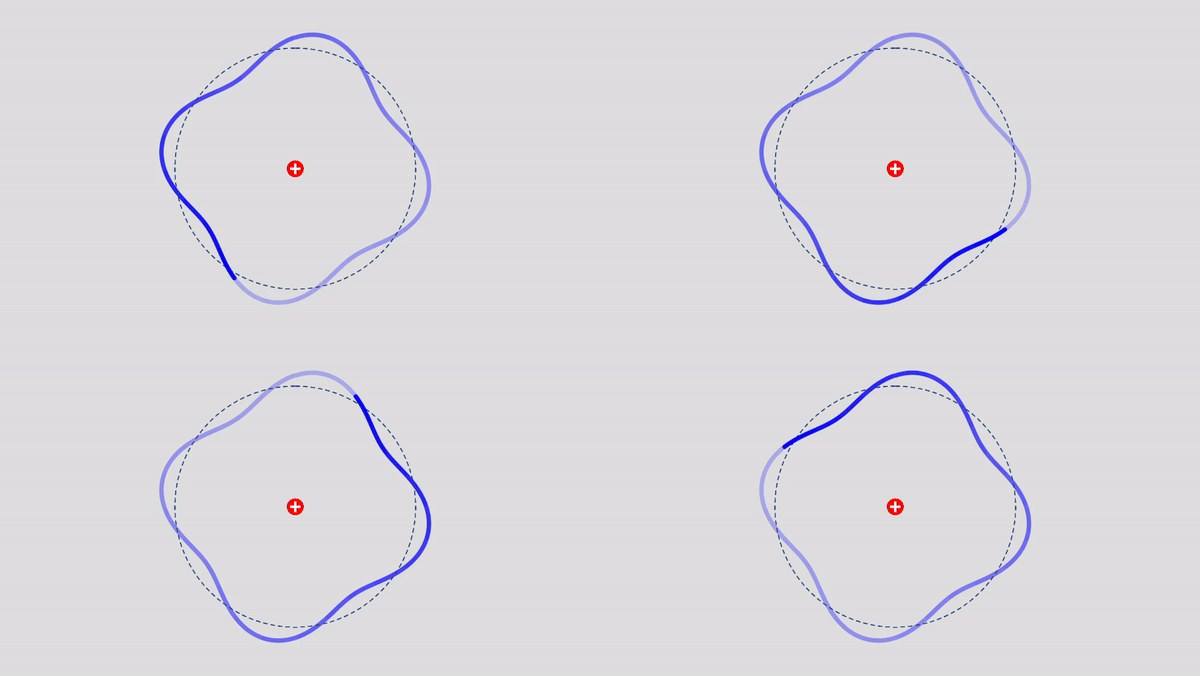
Light has both particle and waves properties at the same time. Likewise, de Broglie (France, 1892 – 1987) thought that such things as electrons that had so far been considered particles might possess wave nature (1932). … more
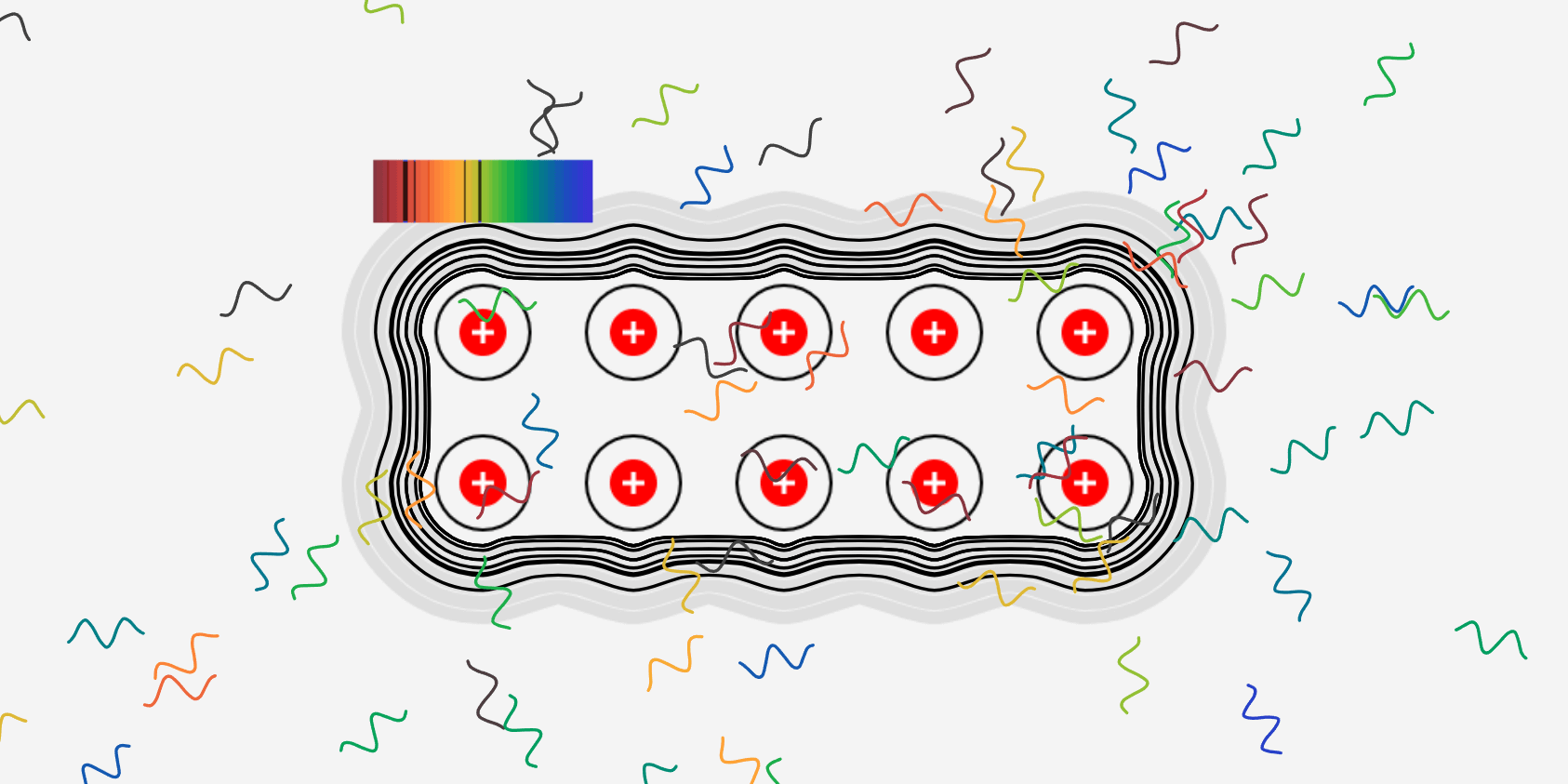
A solid metal can be made by grouping several hot gaseous (monatomic) metals together. What is the difference between emission spectra in the gas (monatomic) and solid state? The simulation above is a simple example and … more

When you rub a balloon on a cat, it charged. Charged balloons can be attached to walls or cat. The charged balloon rolls down as it discharges after a certain period of time. Triboelectricity If you … more

Discovery of nuclear At the beginning of the 20th century, there was little known about the structure of atoms except that they contained electrons. At that time, the atom was known as a pudding model containing … more
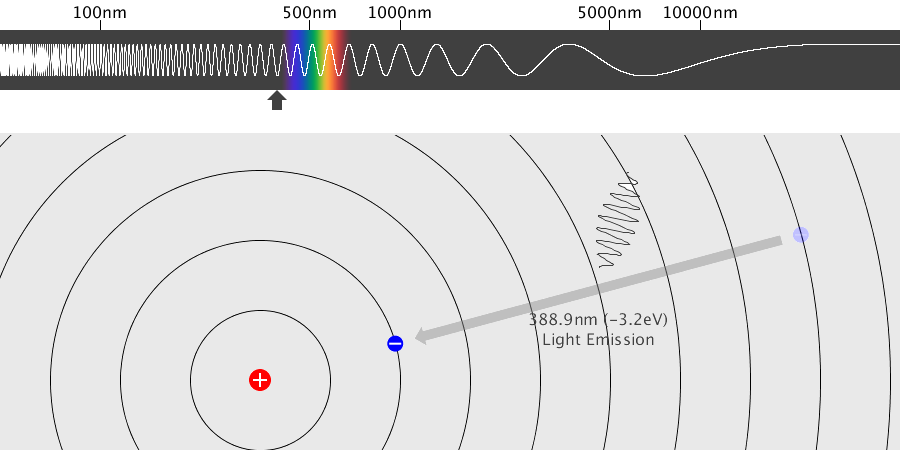
Spectrum of hydrogen At the time of Rutherford’s experiments, chemists analyzed chemical components using spectroscopy, and physicists tried to find what kind of order in complex spectral lines. For example, a hydrogen arc tube containing hydrogen, … more
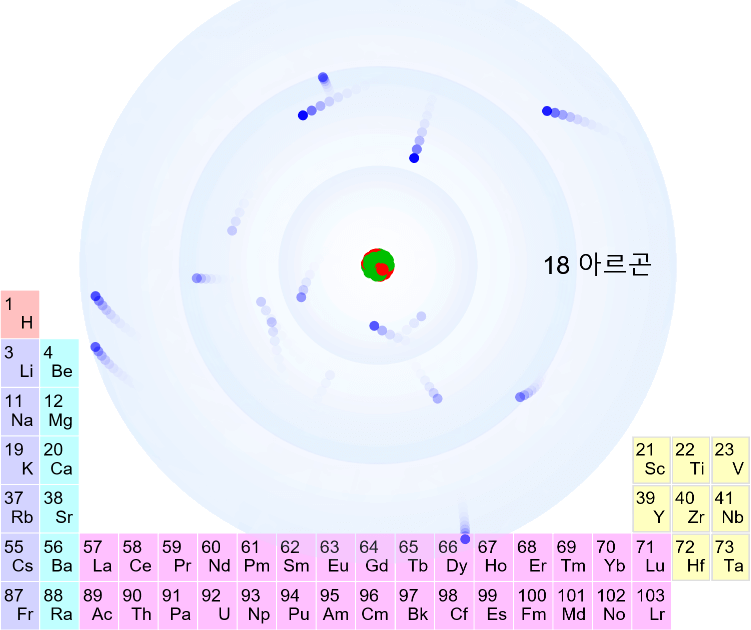
The discovery process of the atom Democritus (Ancient Greece) – Predict the presence of an atom Dalton (UK, 1800) – Applied atomic chemistry Krux (Britain, late 19th century) – Invented a cathode ray tube to explain … more
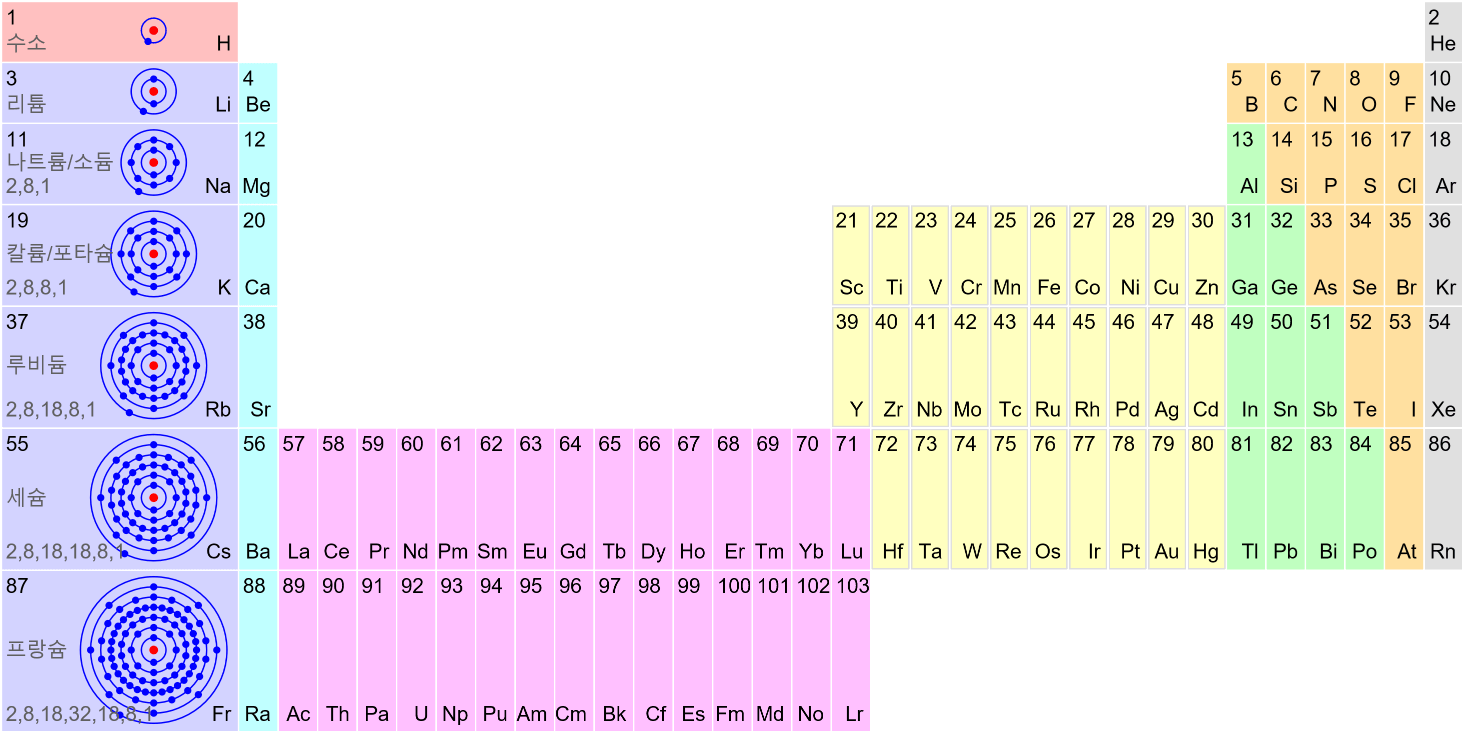
The discovery process of the atom Democritus (Ancient Greece) – Predict the presence of an atom Dalton (UK, 1800) – Applied atomic chemistry Krux (Britain, late 19th century) – Invented a cathode ray tube to explain … more
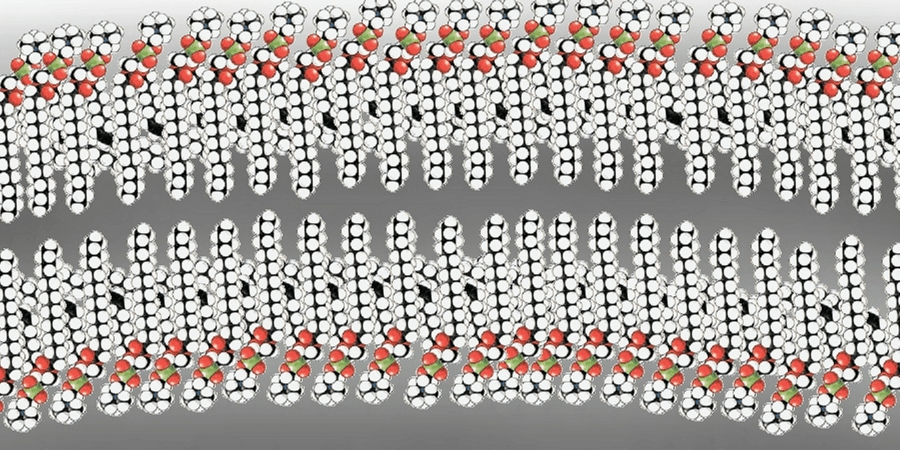
Each click on the screen increases or decreases by 10 times. The structure of the atom The matter is composed of atoms such as hydrogen, carbon, nitrogen, and oxygen, and the size of the atom is … more
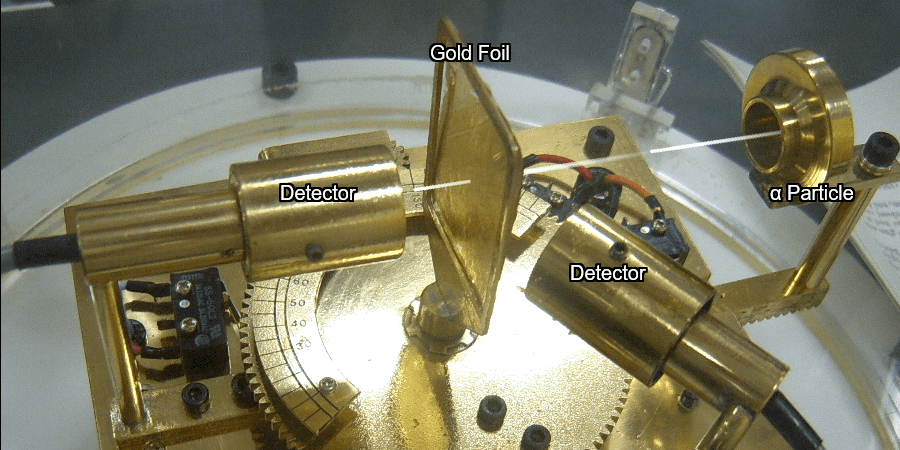
Discovery of nuclei At the beginning of the 20th century, little was known about atoms’ structure, except that atoms contain electrons. At the time, the atom was thought to be as a model of pudding containing … more
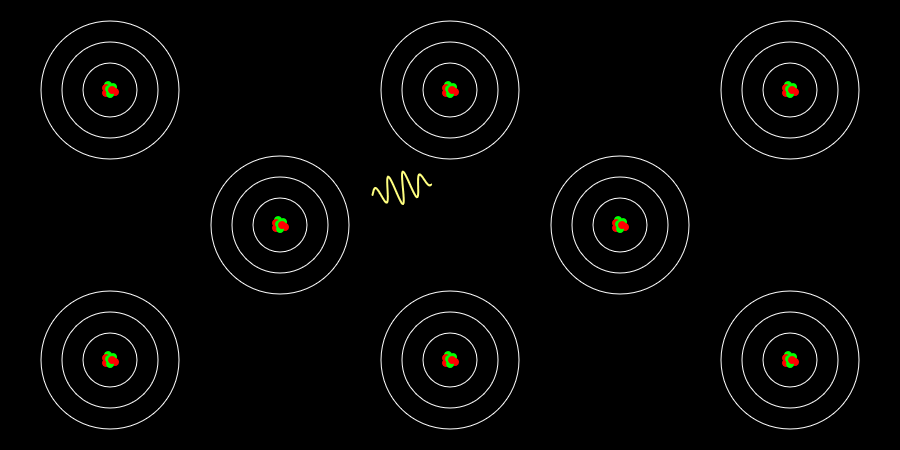
The energy level of the atom Atoms are made up of an atomic nucleus and electrons that revolve around the nucleus. In Bohr’s atomic model, electrons can change their position by receiving energy (mainly light energy). … more
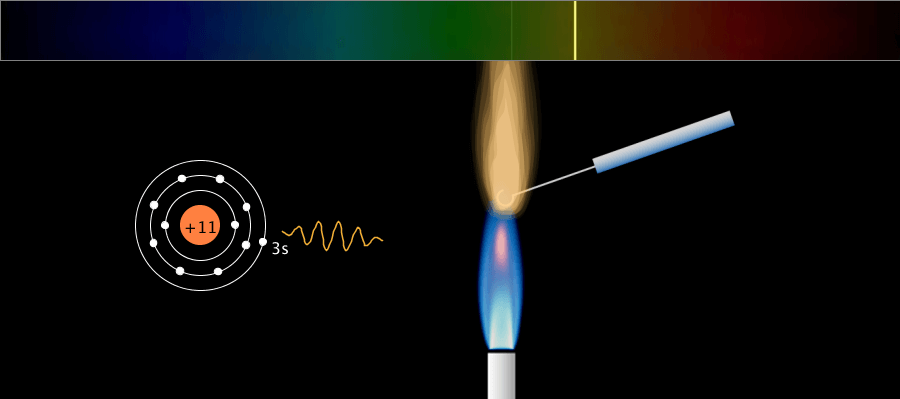
* This simulation take the spectral data from NATIONAL INSTITUTE OF STANDARDS AND TECHNOLOGY. When heat is applied to the atoms, some electrons can have high energy levels and fall to the lower levels. Some electrons … more