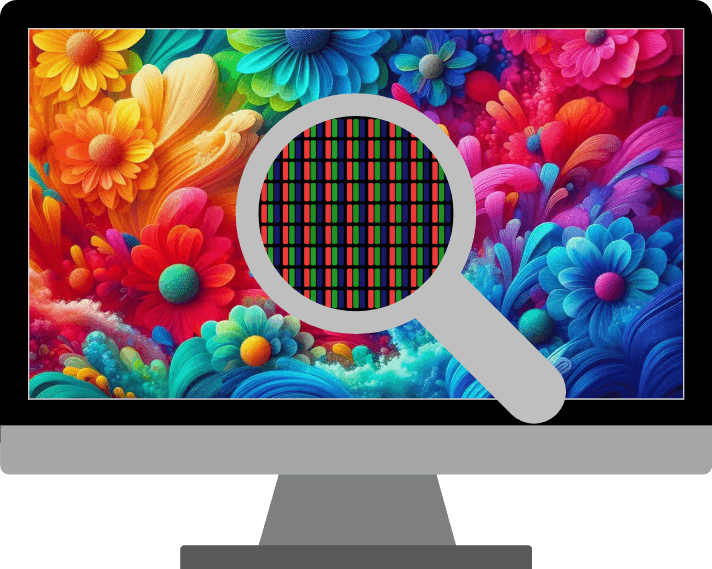
LCD Display 2
Color and Eye Recognition Visible light has various colors. Light has a different color depending on the wavelength (or frequency). So, how do people perceive color? Cone cells in the eye’s retina recognize color. There are … more
Science simulation, Probeware, Coding
Color and Eye Recognition Visible light has various colors. Light has a different color depending on the wavelength (or frequency). So, how do people perceive color? Cone cells in the eye’s retina recognize color. There are … more
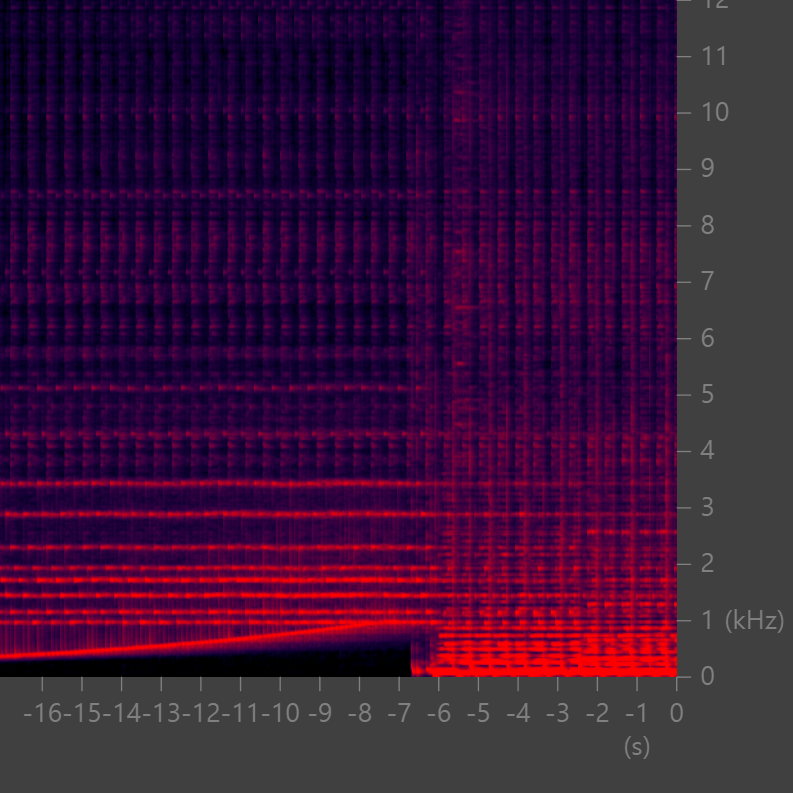
This simulation analyzes the sound around you and displays it as a spectrum. The simulation works by recognizing the surrounding sounds. In the case of PC, please grant permission to use the microphone. Voice data is … more
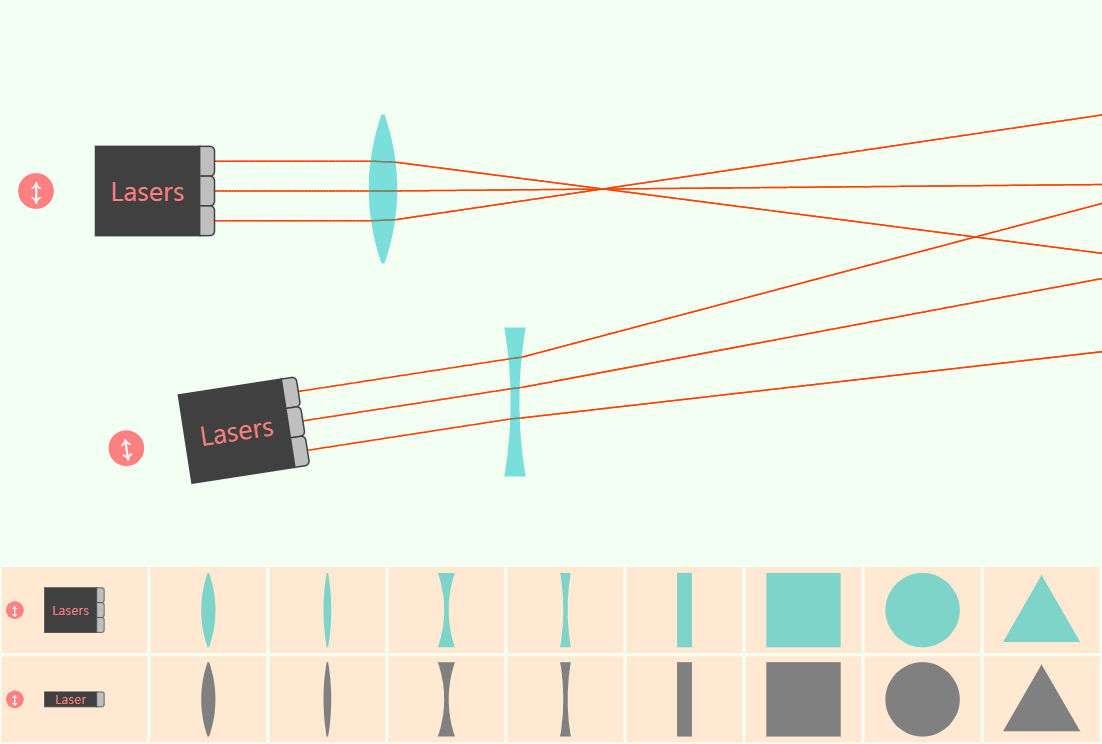
It is an optical experiment simulator consisting of a slit laser, lenses, and mirrors of various shapes. You can experiment by dragging the tool you want. Slit lasers are rotatable. Try dragging the red icon behind … more
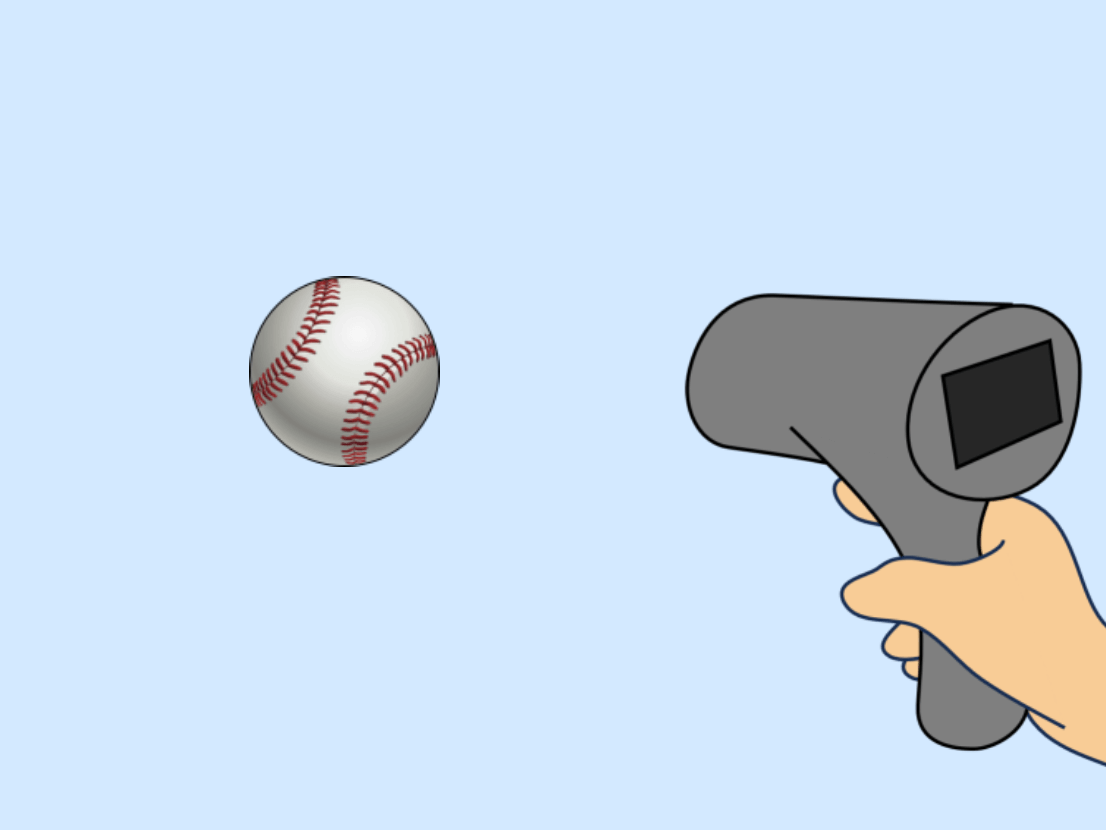
Doppler effect Electromagnetic waves (or sound waves) come into contact with another object while traveling; part of the wave is absorbed or reflected. A moving ball likewise absorbs or reflects some of the incoming waves. If … more

Camera In optics, an image is recreated by collecting some of the light emitted by an object. Devices that recognize images include eyes and cameras. The light entering the camera passes through the aperture and lens, … more
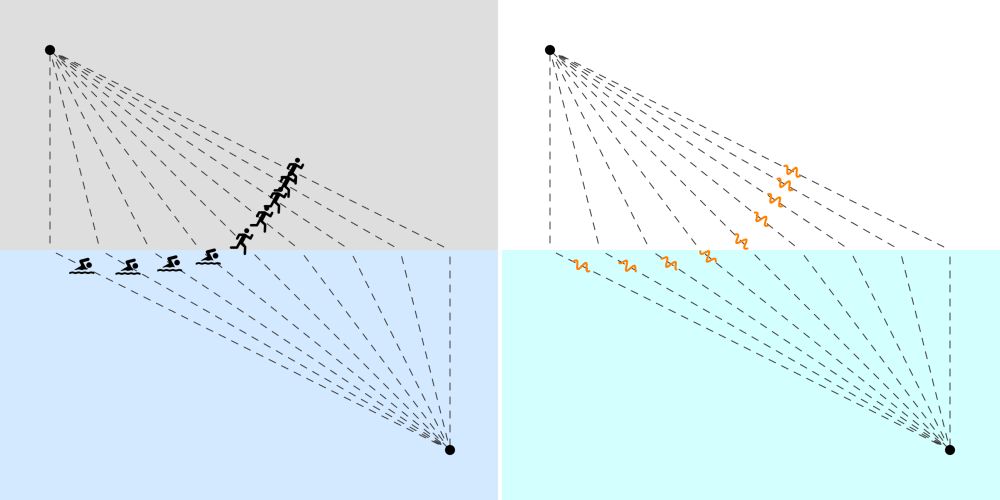
Why does a slightly curved path take less time than a straight path? Ants can move faster on flat stones than on rugged grass. Therefore, travel time is the shortest on slightly curved paths. This principle … more

You can drag the path of light. Refraction is the bending of a wave caused by a change in its speed as it moves from one medium to another. This occurs because of the slow speed … more
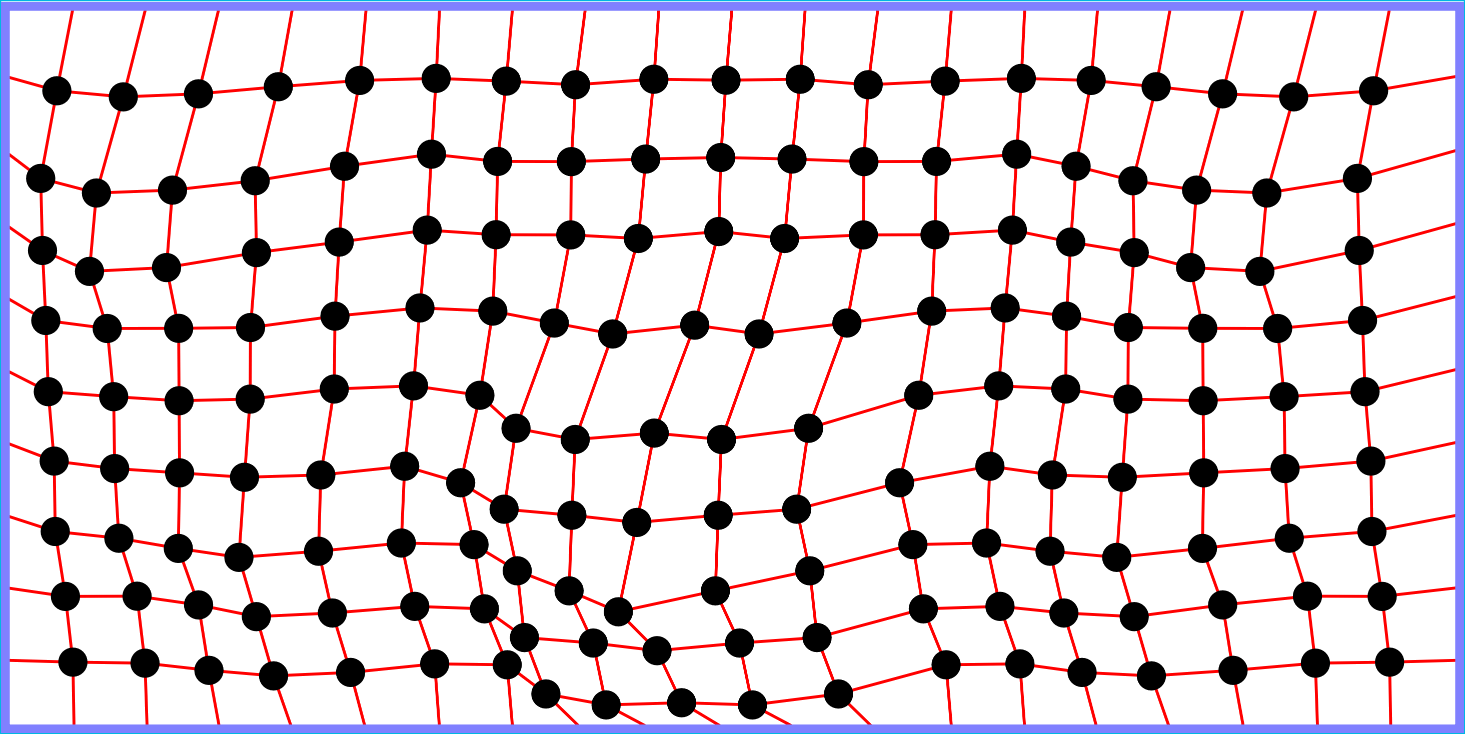
Reset Wave In science, a wave is a phenomenon in which energy is transmitted through a medium. It is the only energy that is transmitted through the wave. The medium only vibrates but does not actually … more
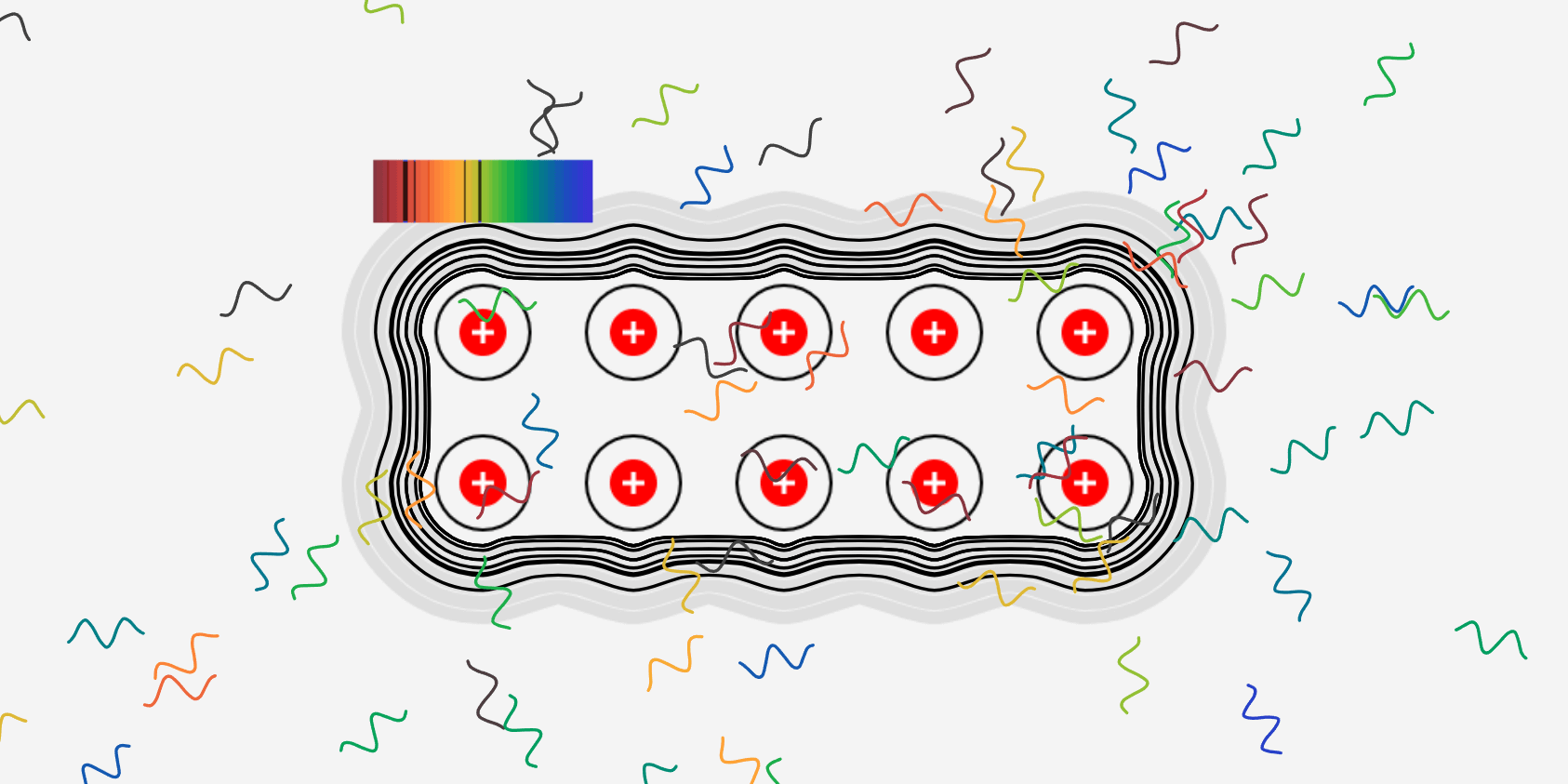
A solid metal can be made by grouping several hot gaseous (monatomic) metals together. What is the difference between emission spectra in the gas (monatomic) and solid state? The simulation above is a simple example and … more
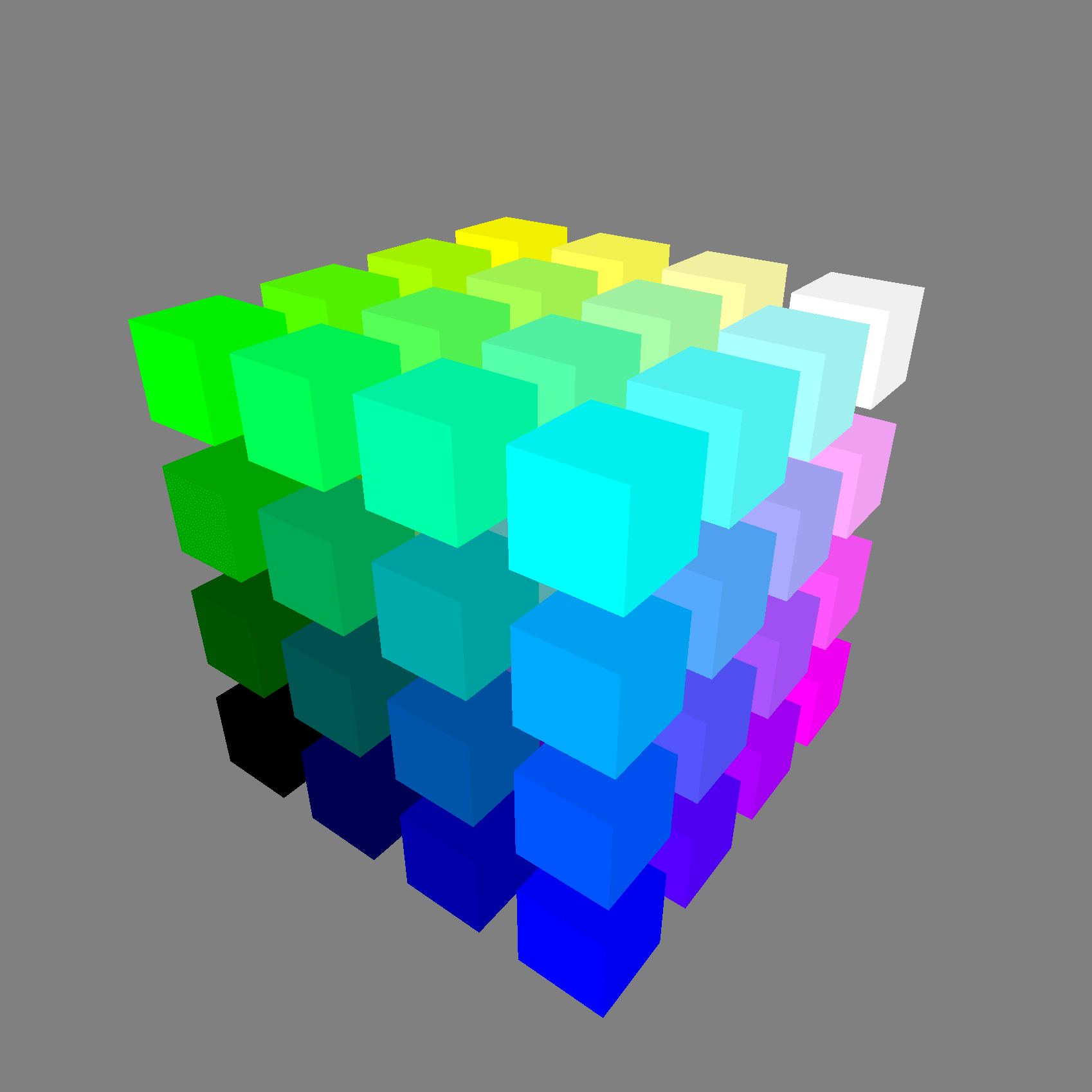
The three primary colors of light are red, green, and blue. Depending on how these three lights are mixed, different composite colors appear. For better understanding, let’s imagine a three-dimensional coordinate system with the x, y, … more
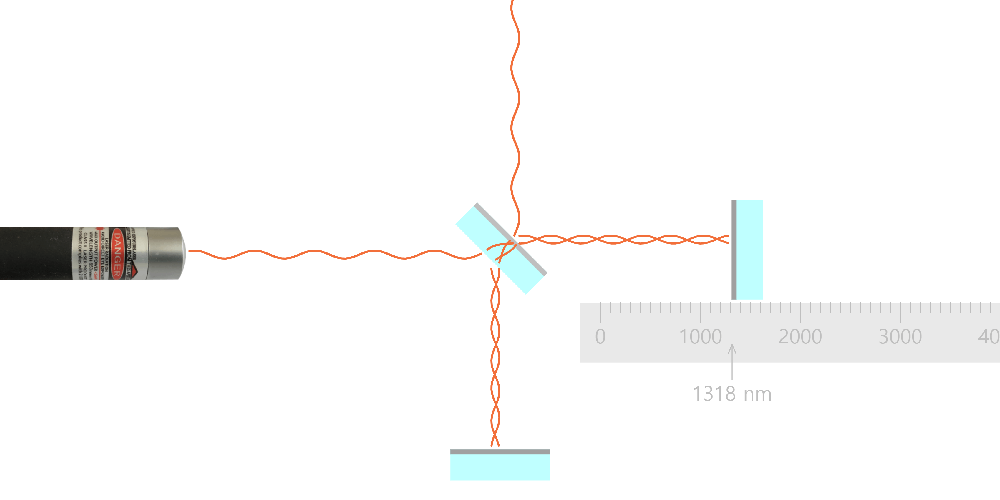
Michelson interferometer The Michelson interferometer was invented by the American physicist Michelson. Although it has a simple structure, it can measure very small distance differences, such as the size of an atomic nucleus. The Michelson interferometer … more

Why do we always have crystal ball covered? While surfing the web, I came across a fascinating article on Twitter. It sounds like a fun topic, so we decided to simulate the refraction of all light … more