
Polarization
Polarizers are made of long-chained molecules which absorb light with electric fields. When you shine a light on a polarizer, only a part of the light is passed. The polarizing plate materials absorb only the electric … more

Science simulation, Probeware, Coding
Polarizers are made of long-chained molecules which absorb light with electric fields. When you shine a light on a polarizer, only a part of the light is passed. The polarizing plate materials absorb only the electric … more

Camera In optics, an image is recreated by collecting some of the light emitted by an object. Devices that recognize images include eyes and cameras. The light entering the camera passes through the aperture and lens, … more

You can drag the path of light. Refraction is the bending of a wave caused by a change in its speed as it moves from one medium to another. This occurs because of the slow speed … more
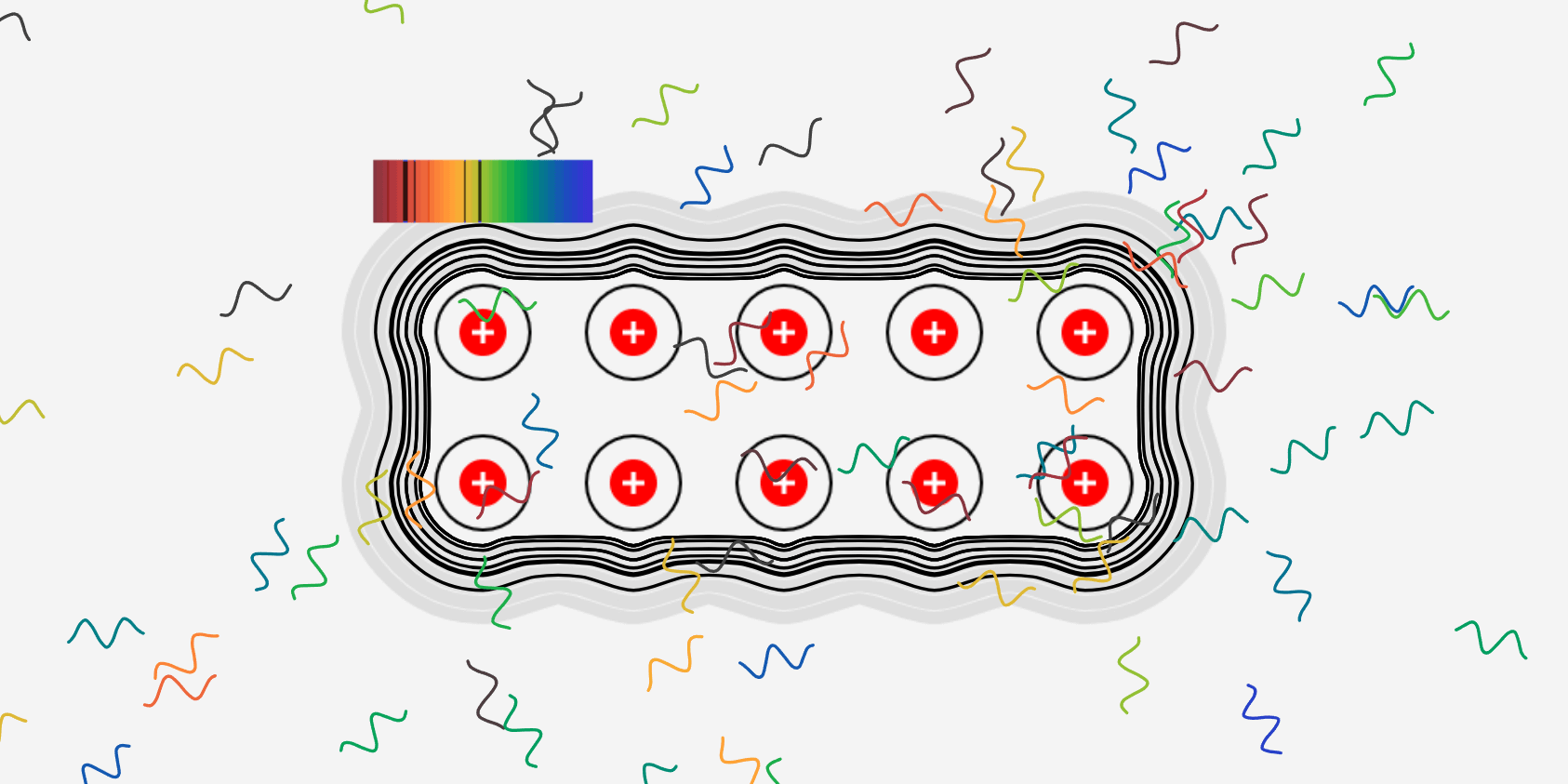
A solid metal can be made by grouping several hot gaseous (monatomic) metals together. What is the difference between emission spectra in the gas (monatomic) and solid state? The simulation above is a simple example and … more
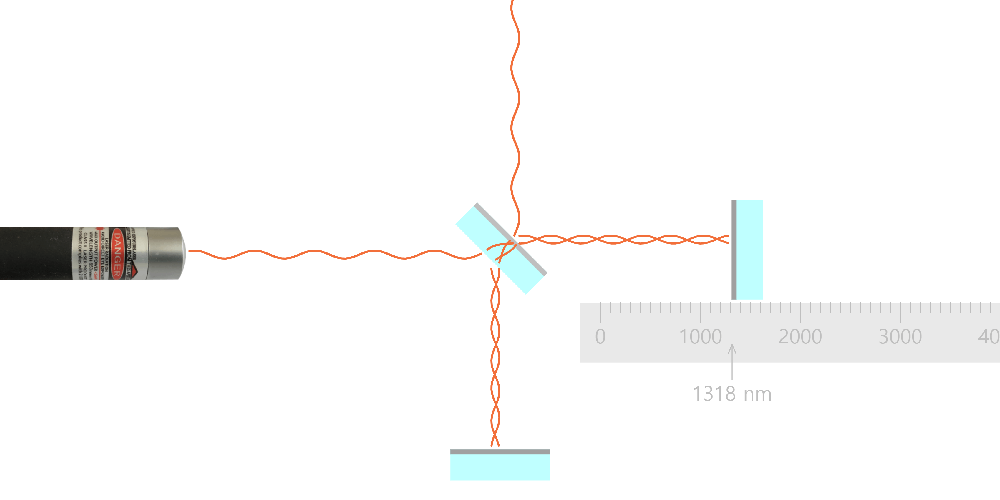
Michelson interferometer The Michelson interferometer was invented by the American physicist Michelson. Although it has a simple structure, it can measure very small distance differences, such as the size of an atomic nucleus. The Michelson interferometer … more

Why do we always have crystal ball covered? While surfing the web, I came across a fascinating article on Twitter. It sounds like a fun topic, so we decided to simulate the refraction of all light … more

Double Slit Experiment The double-slit experiment is the observation of the pattern that a single wavelength of light creates after passing through two slits. Light passes through each slit and then creates a light or dark … more
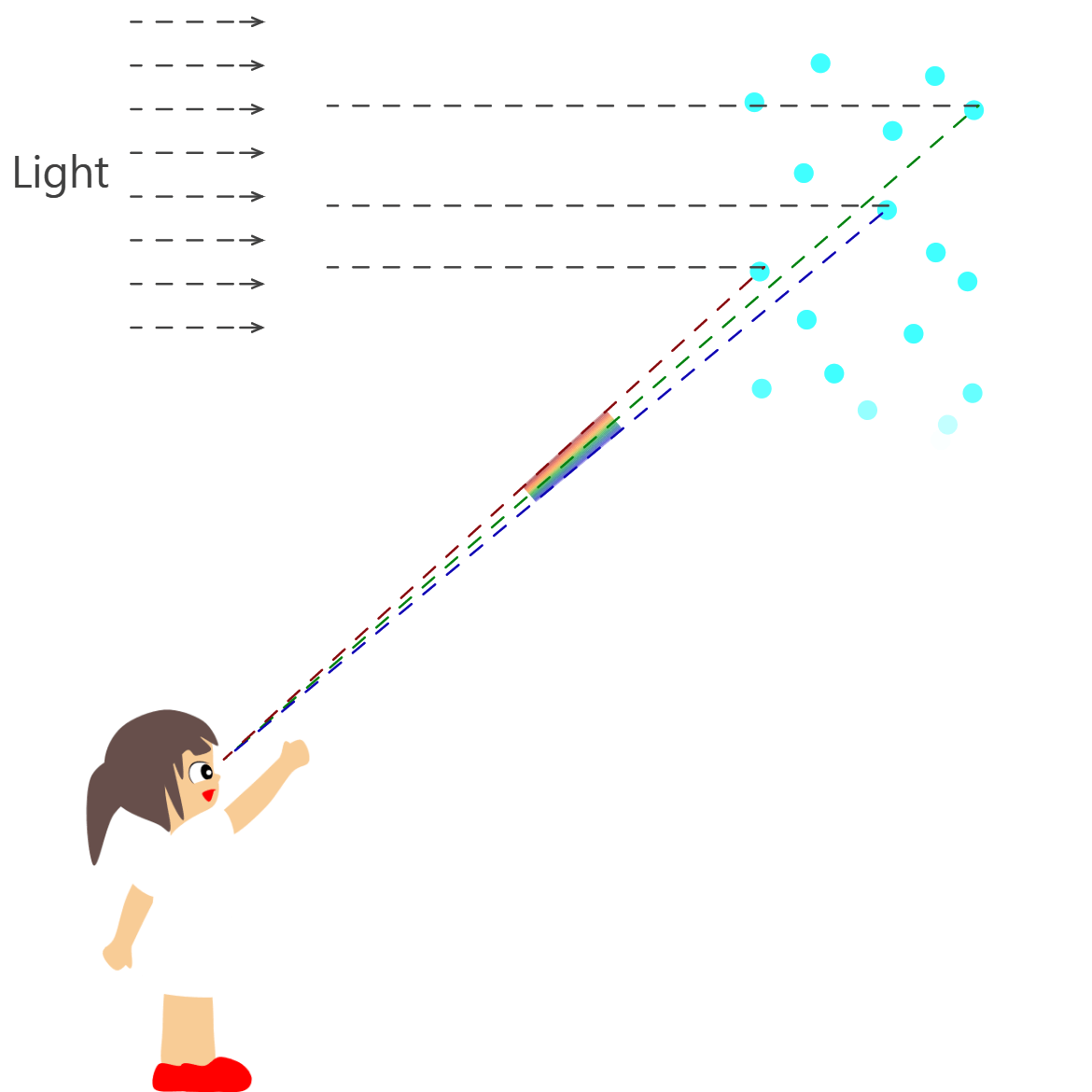
A rainbow is a natural phenomenon where the dispersion of light is most visible. As you know, We can see a rainbow after rain because the water droplets bend and disperse the light. For example, if … more