Moon

Mercury Barometers on Different Planets
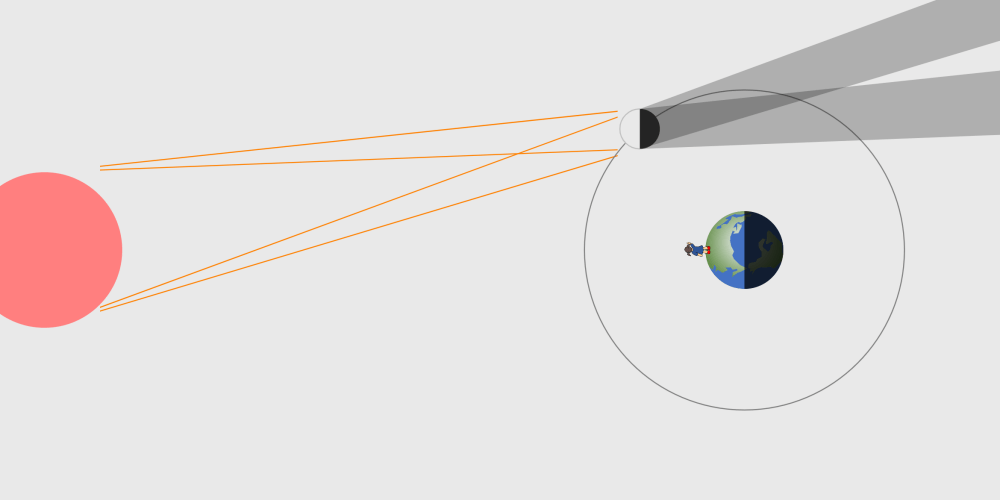
What would happen if you brought a mercury barometer to Earth, the Moon, Mercury, Venus, and Mars? Here, we assume that the mercury barometer has a U-shaped tube: one side is open, and the other side … more
Gravity Simulator
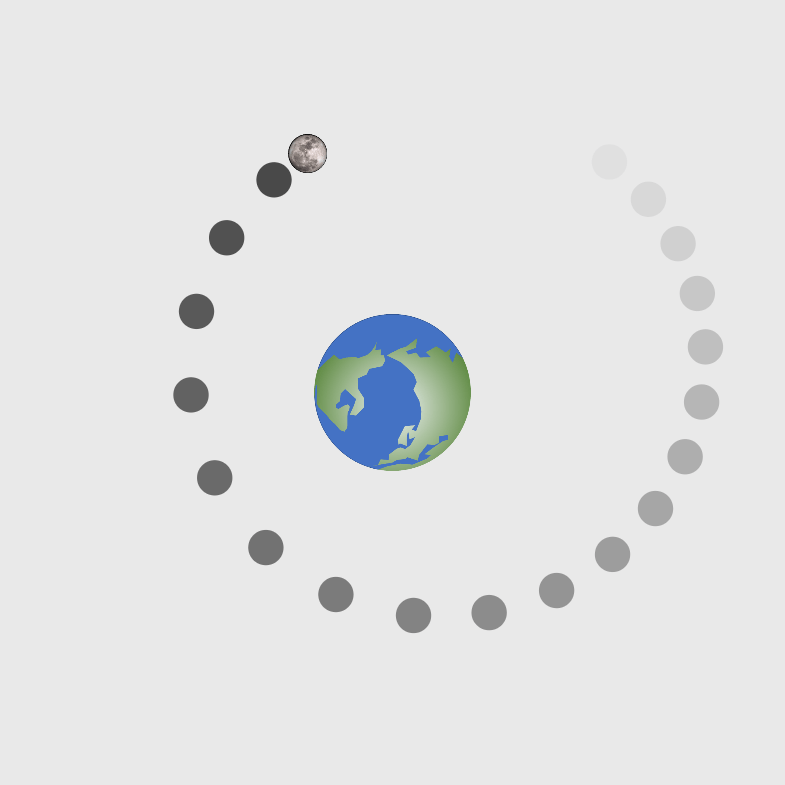
This simulation … Applied a geocentric coordinate system. Air friction is ignored. Covers fall and orbital motion due to Earth’s gravity. (However, the same can be applied to other celestial bodies.) Gravity Objects with mass exert … more
Three Body Problem
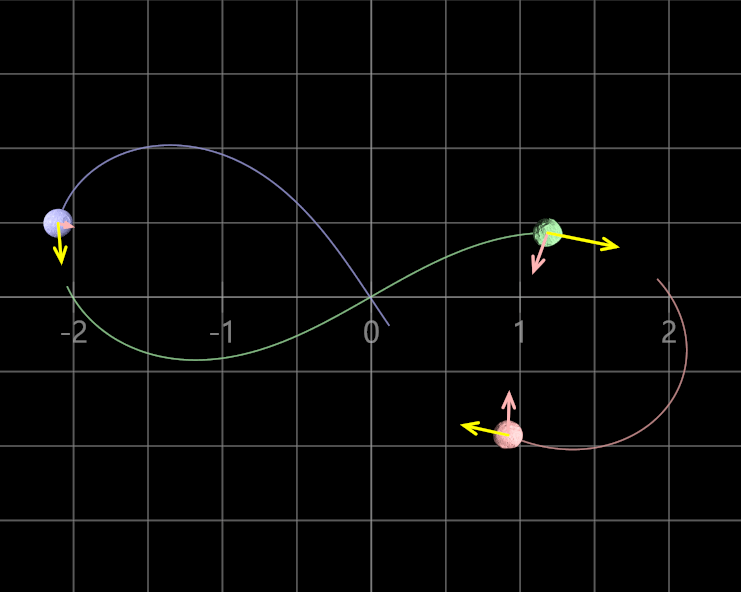
x y Vx Vy * The mass and gravitational constant of the celestial body were each assumed to be ‘1’. * You can edit the position and speed of each celestial body while not running. * … more
Phase of the Moon
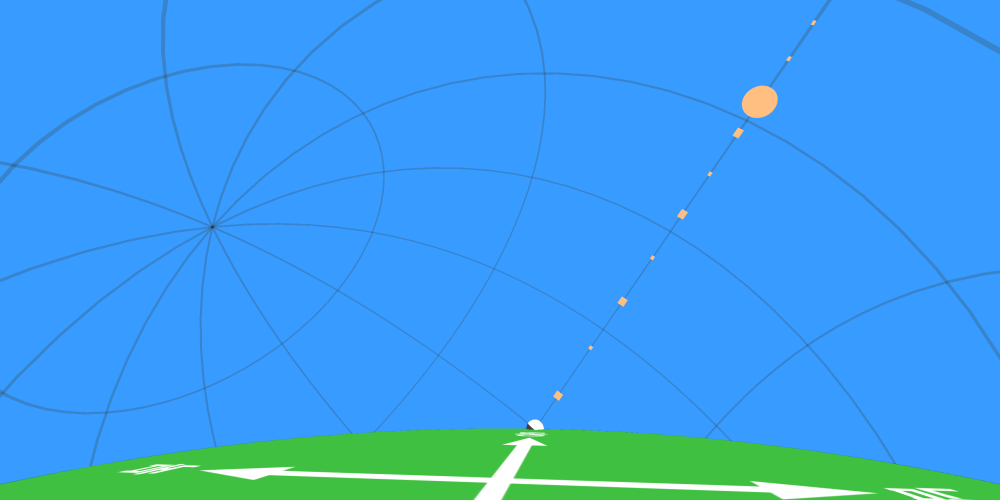
* If you are asked to access your location, please allow it. * Your personal data is not stored on the server. * For iOS devices, please allow location access as follows. It is only the … more
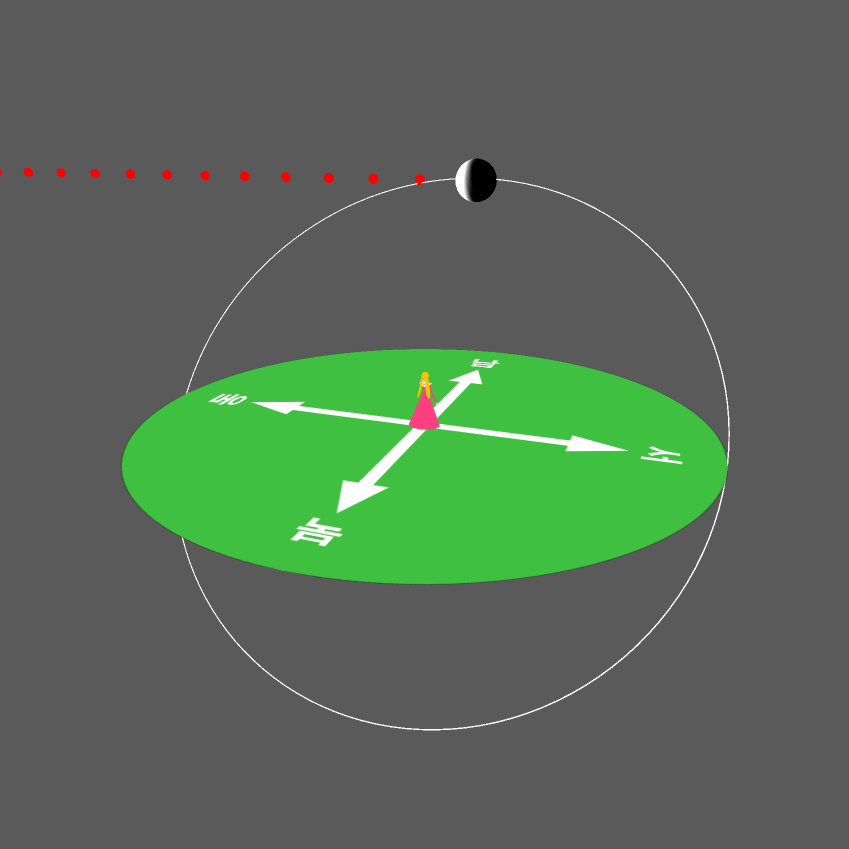
Phase of the Moon 3
* If you are asked to access your location, please allow it. * Your personal data is not stored on the server. * For iOS devices, please allow location access as follows. It is only the … more
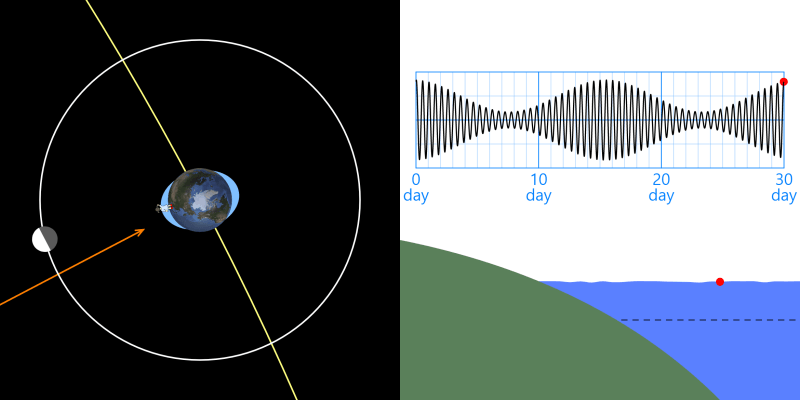

Real Size & Orbit of Earth and Moon
The photographs of the Earth and the moon close together that you can see on posters, etc., are designed to be easy to see. The moon’s apparent diameter is only about 0.5˚. This tells us that … more
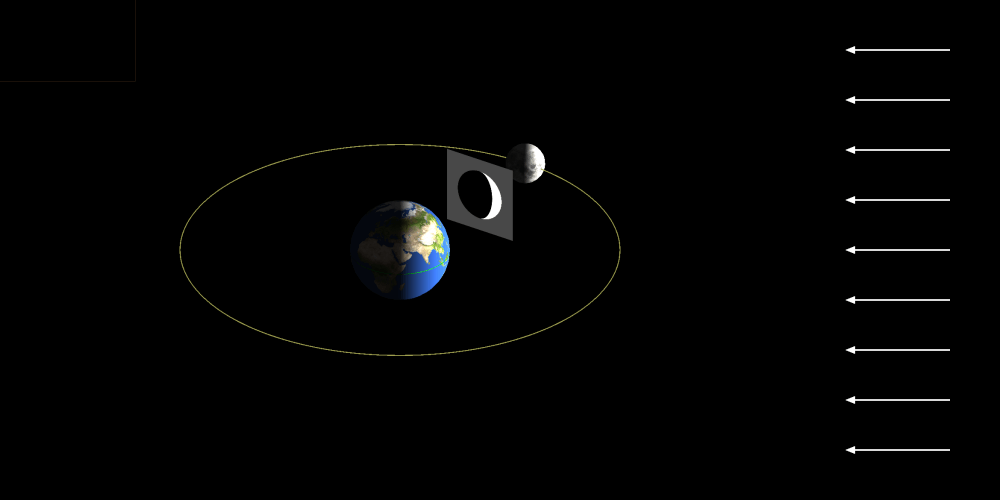
Phase of the Moon 2
It is only the sun that shines by itself in the solar system. Earth and moon do not emit light themselves. The earth and the moon only reflect the light of the sun. Since the earth … more
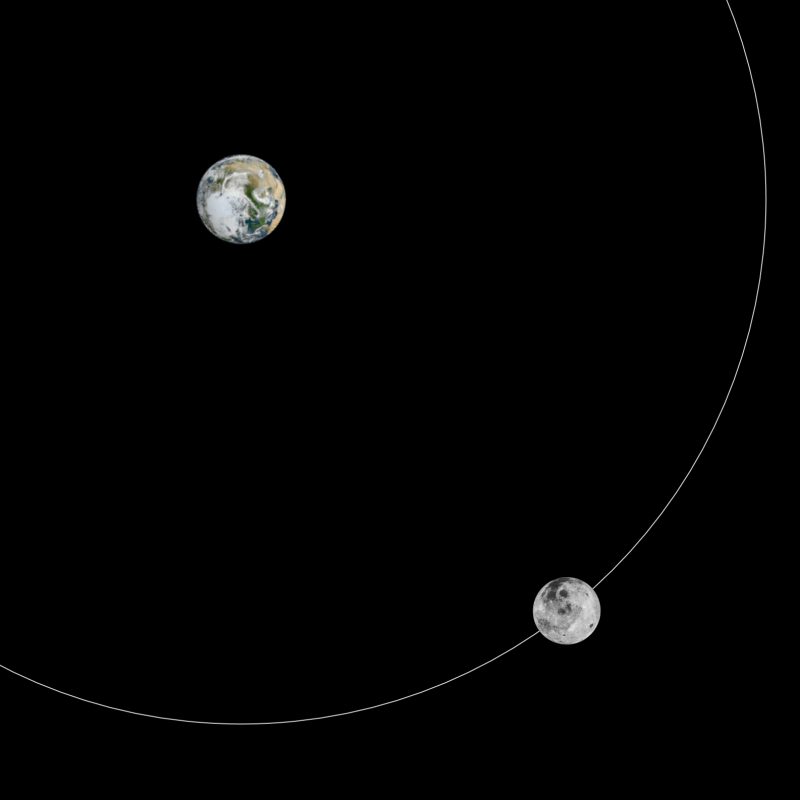
Why do we see only one side of the moon?
Why do we always see the same side of the moon? The moon’s rate of rotation and rate of revolution is the same.

Why does the moon seem to follow me?
Is the moon really following me? How can you explain that the moon looks follow I? The moon doesn’t follow me. For example, if I go forward with a car, the landscape seems to move backward. … more
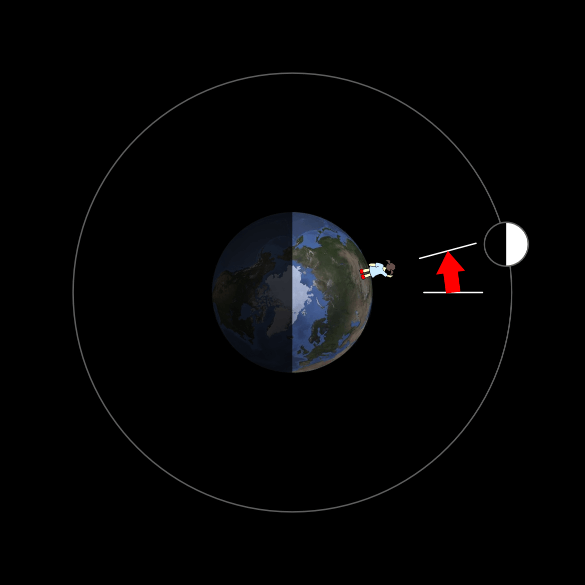
Why does the moon rise 50 minutes later each day?
The reason why the moon rises 50 minutes late every day While the Earth rotates once a day, the Moon moves to the east little by little. So it takes 50 minutes to 24 hours for … more