Biology Simulation
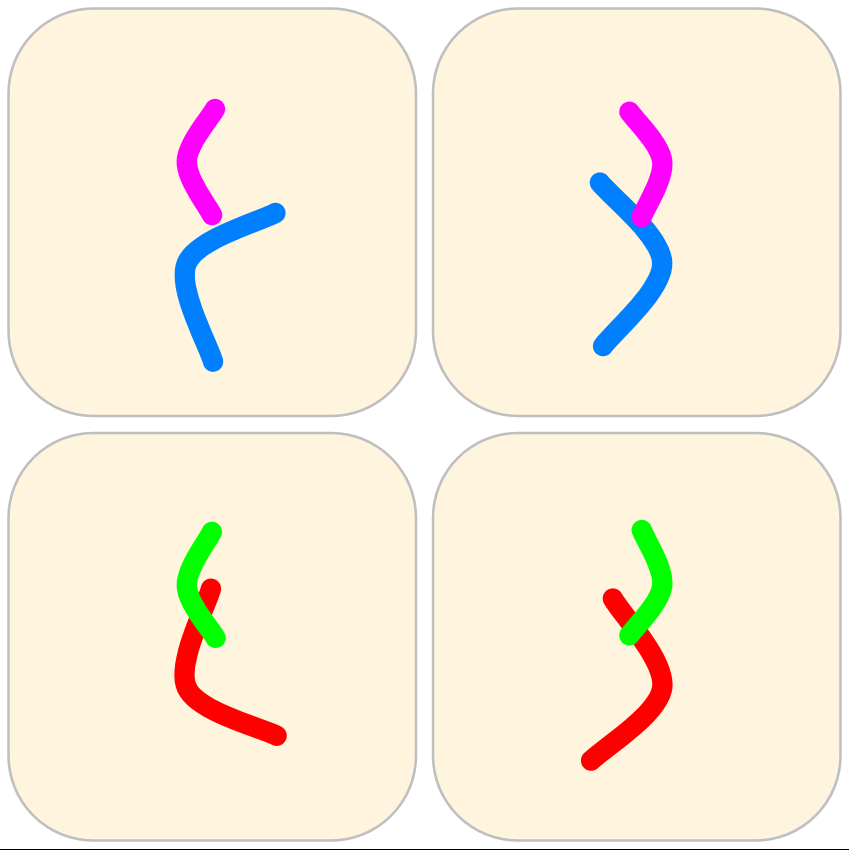
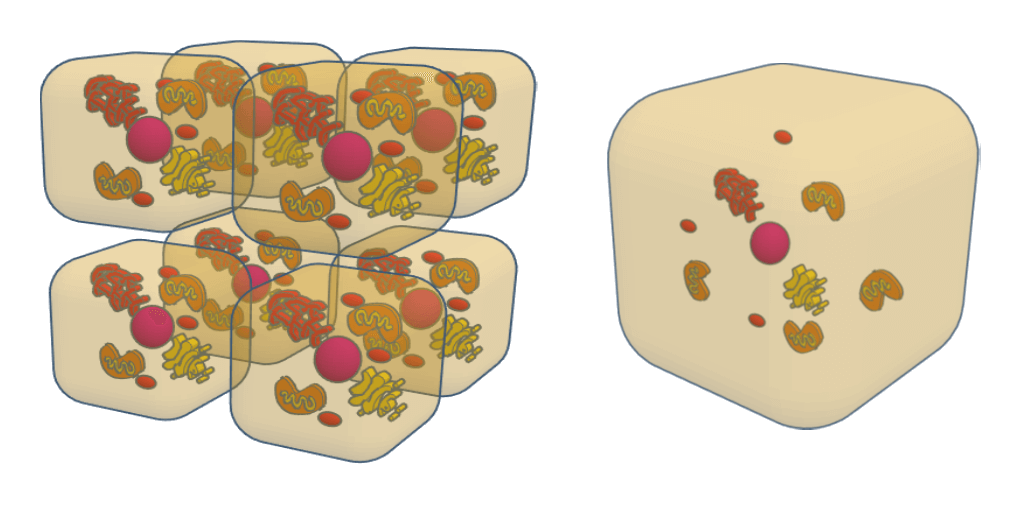
Why the smaller the cell, the larger the area
Cell division Multicellular organisms like humans are made up of cells of varying shapes and functions. Most cells are so small that they can see them only under a microscope because once they reach a certain … more

Wrinkles in living organisms
Respiratory organ To maintain life, we absorb oxygen from the air. And we export carbon dioxide from the body. Human respiratory organs include the nose, organs, bronchi and lungs. Each bronchus in the lung continues to … more
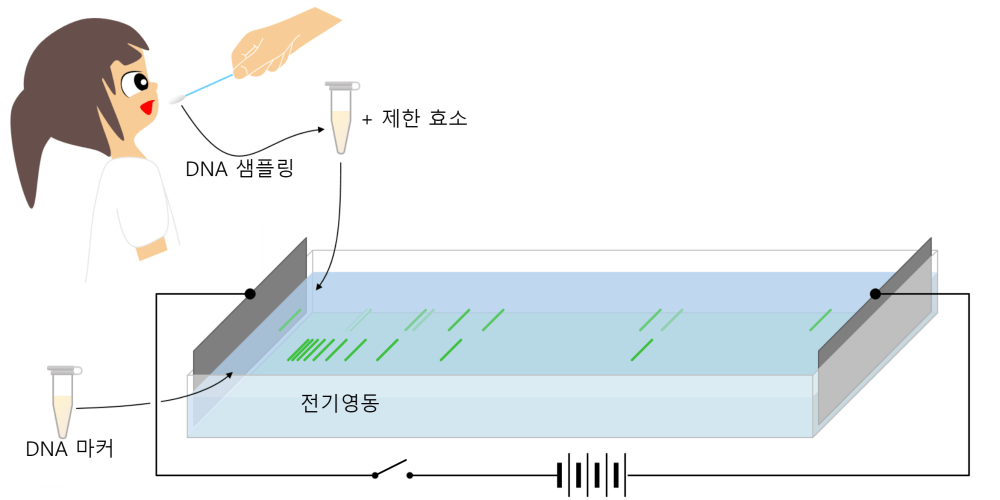
DNA electrophoresis
This simulation assumes that the loading dye is 50bp and the marker is 50bp. (‘bp’ is a unit showing the number of base pairs of DNA.) Electrophoresis Electrophoresis is a chemical phenomenon in which an electric … more
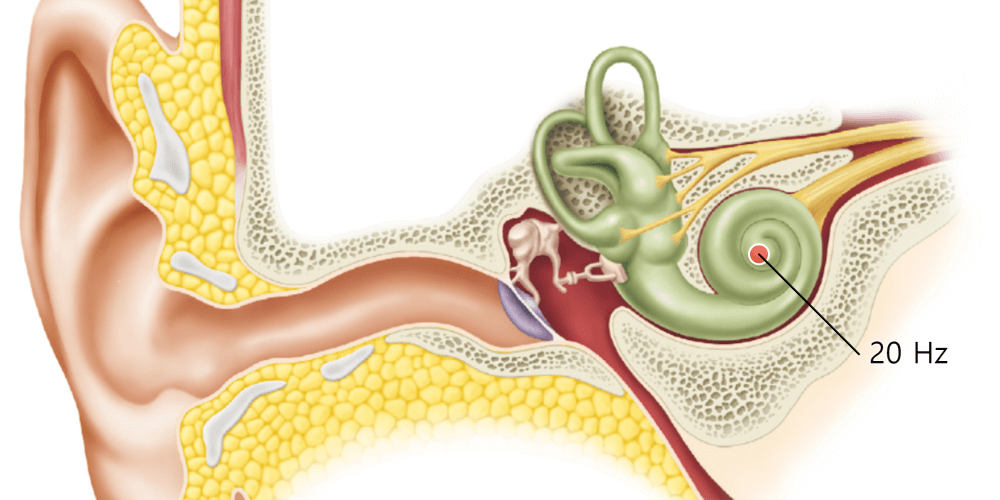
Cochlear and Audible Frequency
The sensing part is slightly different depending on the frequency of sound. Move the slide bar to check. Cochlear Inside our ears, there is a sensory organ that senses sound. The overall shape resembles a snail … more
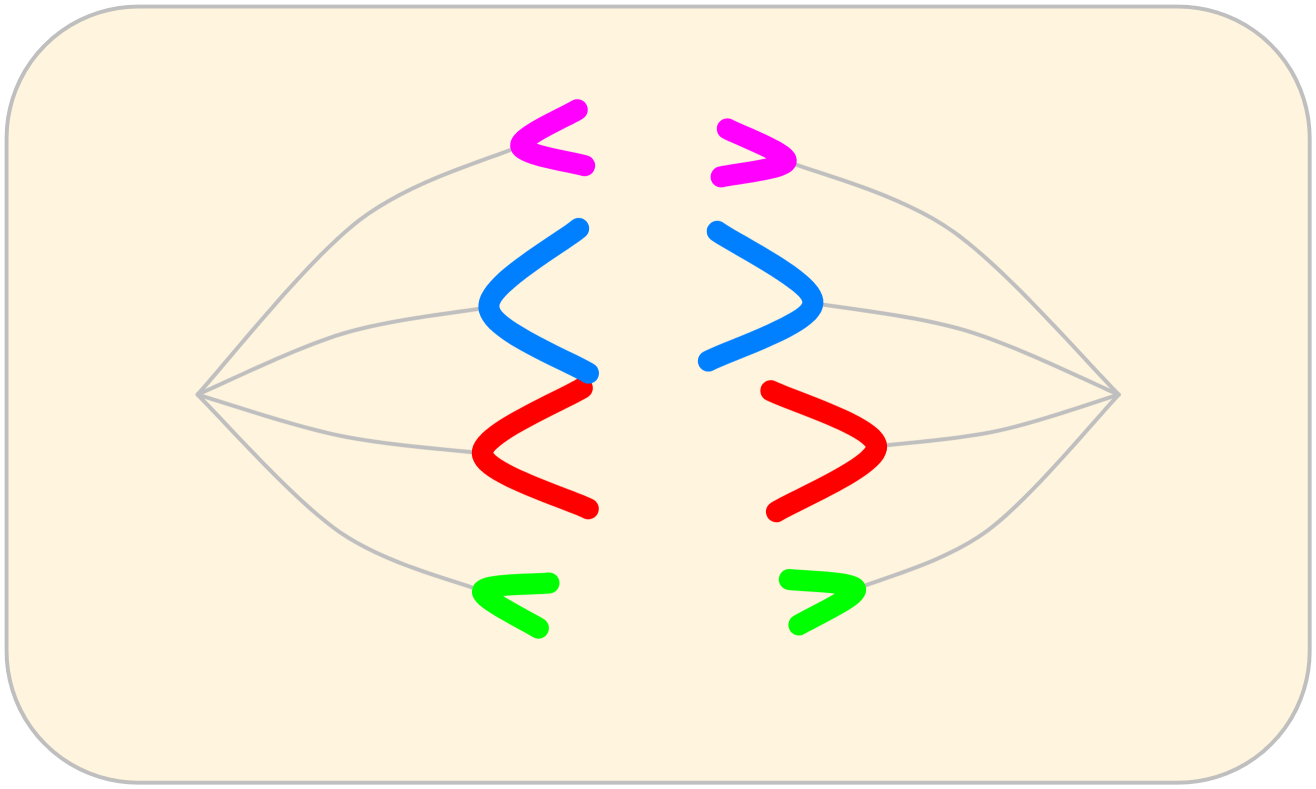
Cell Division Model
Chromosome If you look at the onion root under a microscope, you can see cells of different shapes and sizes, such as cells with an apparent nucleus, cells that appear to be split into two cells, … more
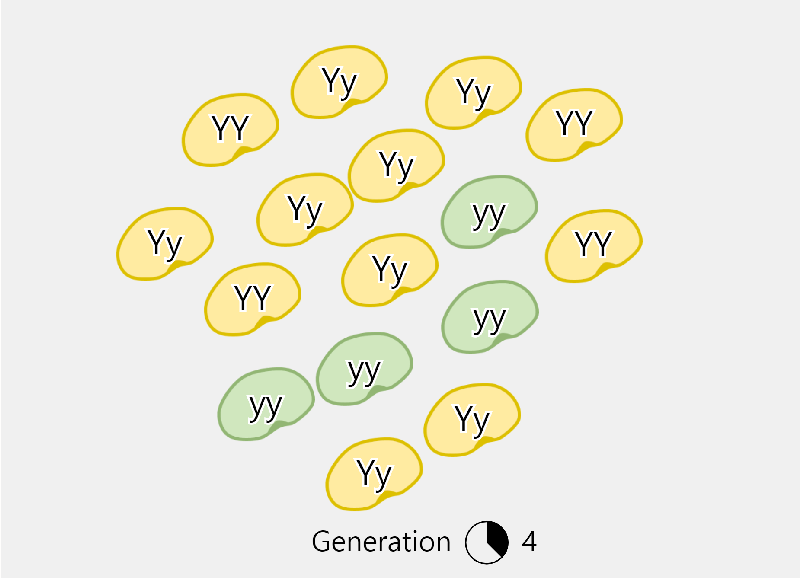
Test Cross (to get Pure Breed)
Find out how Mendel gets a Pure Breed. Press the button to ban a specific trait.
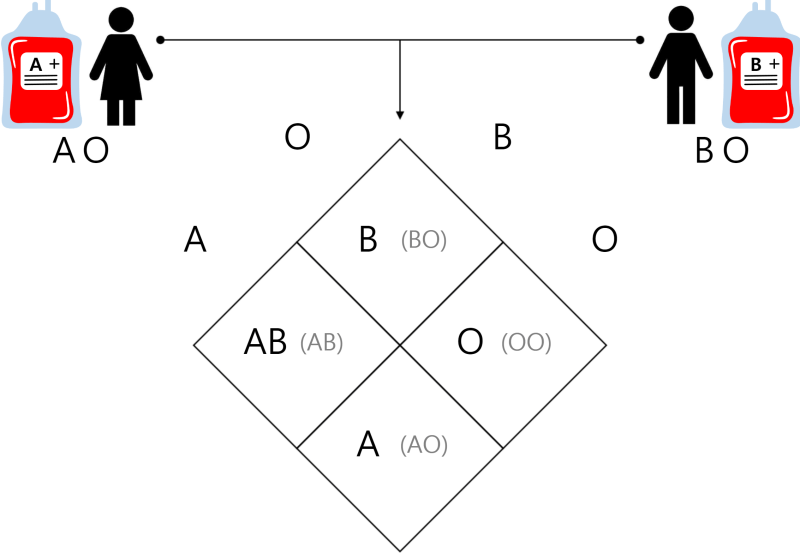
ABO Blood Type
What determines a person’s blood type? You can click on the button to mate several traits. Find the gene delivery process by dragging the screen.
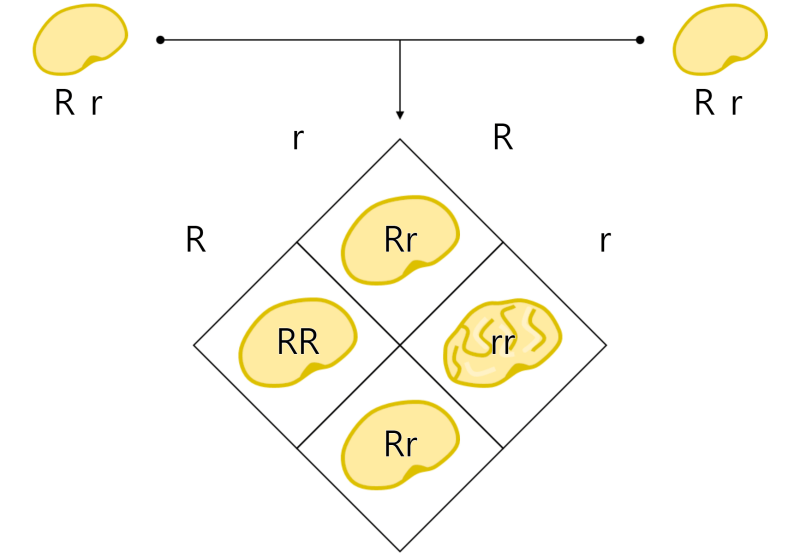
Mendel`s Law of Heredity
Find the gene delivery process by dragging the screen. Estimate the proportion of phenotypes appearing in offspring.
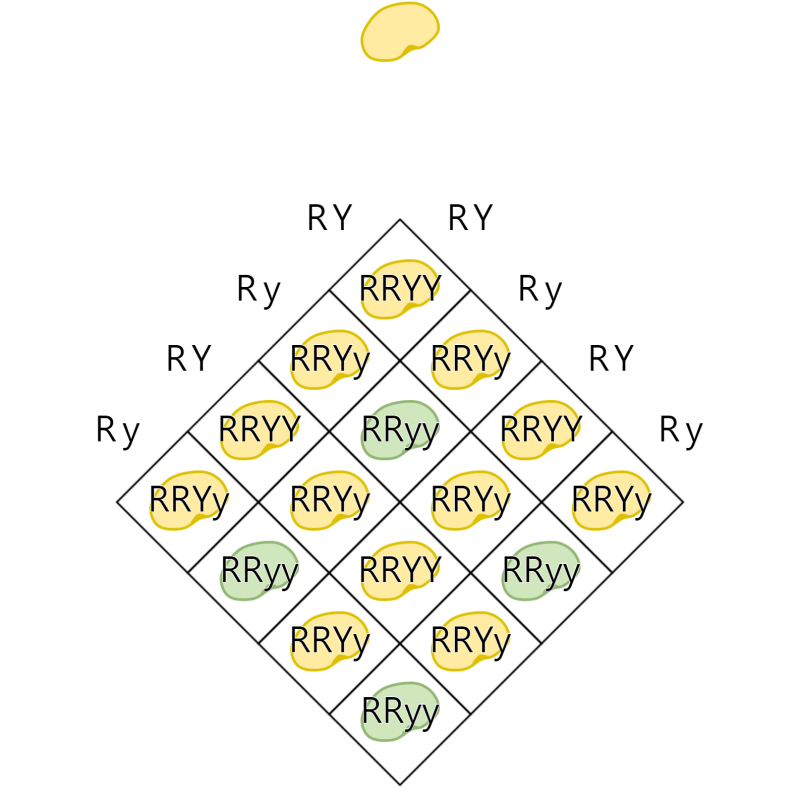
Dihybrid Cross
Explore the process that takes place when the pea plant with two different alleles. In Mendel’s genetic experiments, he observed this pattern: The inheritance of one characteristic did not influence other characteristics’ inheritance. For example, the … more

Inverted Image of Microscope
Move the preparation. Why does the image move in the opposite direction? Depending on the type of microscope, how is the direction of movement different? * Cell image source: https://www4.uwsp.edu/biology/Courses/BotLab/default.htm

See the Light
Even if the object does not shine by itself, why can we see it? The eye is the organ that feels light. Even if the object does not shine by itself, why can we see it? … more